🔔 Read us on Telegram — don’t miss the latest automotive news → t.me/motorhub_en
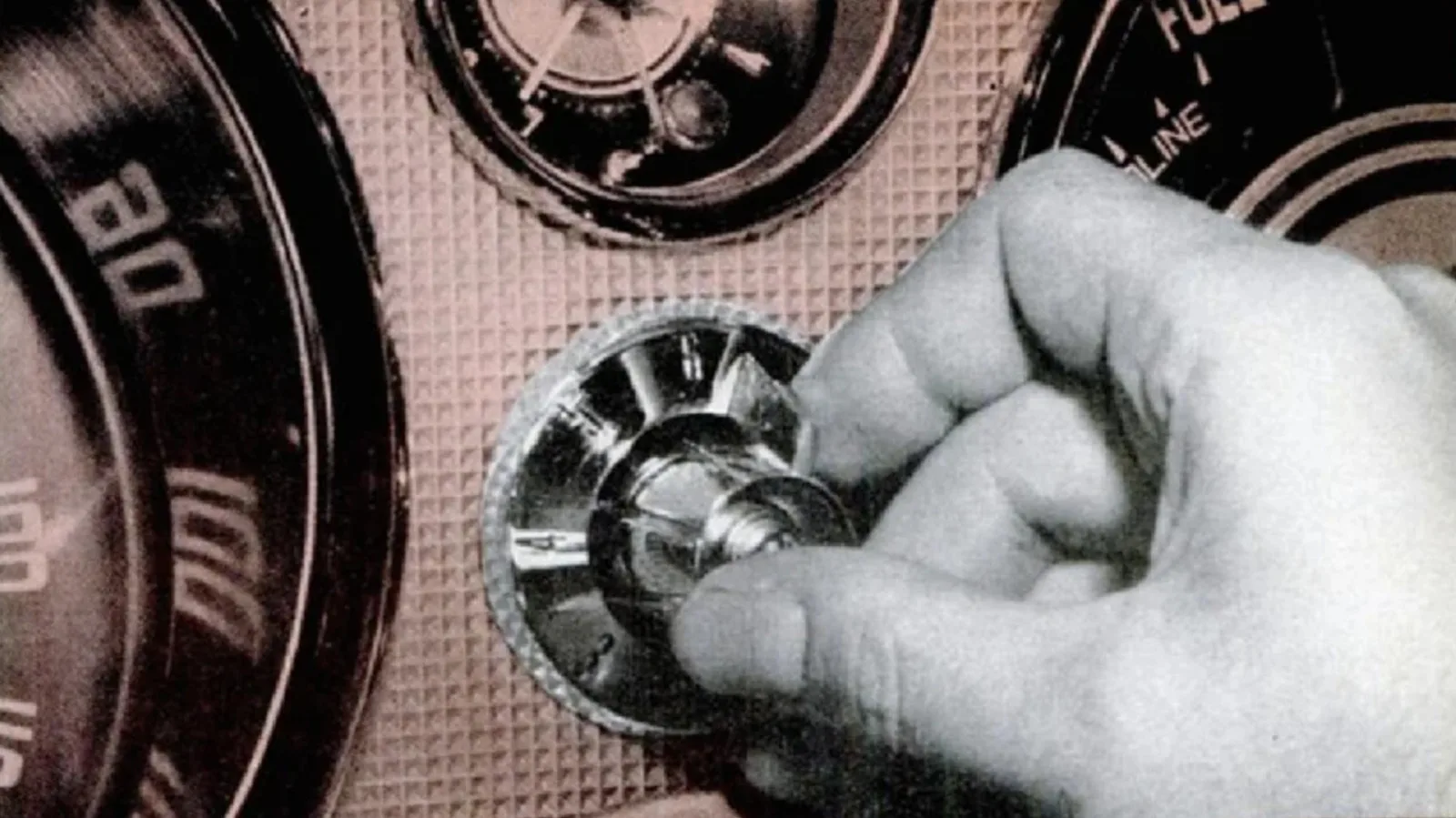
In 1955, Chrysler launched its Imperial division to compete in the luxury segment against Cadillac and Lincoln, positioning the brand as a leader in high-tech innovation. By 1958, the division introduced Auto-Pilot, one of the first modern cruise-control systems, on the Imperial sedan. The technology wasn’t Chrysler’s invention, though.
It originated with Ralph Teetor, a blind engineer and early innovator who filed a patent for the concept in 1948. Teetor, a University of Pennsylvania graduate and the country’s first blind engineer, had already made contributions to automotive technology, including a 1924 patent for a fluid-operated automatic transmission system. His early version of cruise control used a mechanical mechanism to increase gas-pedal resistance when the car reached a set speed.

By 1958, the system had evolved into the Speedostat, which used an electromagnetic lock and was rebranded as Auto-Pilot by Chrysler for the Imperial. Teetor’s company supplied the technology to Cadillac in 1959, where GM marketed it as Cruise Control. The core function of Chrysler’s Auto-Pilot was straightforward: maintain a constant speed for convenience and safety.
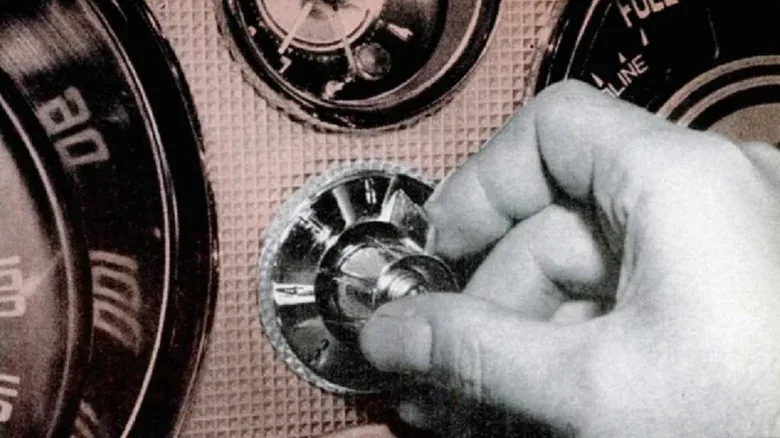
The idea reportedly stemmed from Teetor’s frustration during a drive with his lawyer and friend, Harry Lindsey, who frequently accelerated and decelerated. In contrast, Tesla’s Autopilot, despite its name, operates at Level 2 autonomy under SAE standards. It includes adaptive cruise control (Traffic Aware Cruise Control) and steering assistance (Autosteer), though Tesla now charges extra for Autosteer as part of its Full Self-Driving package.
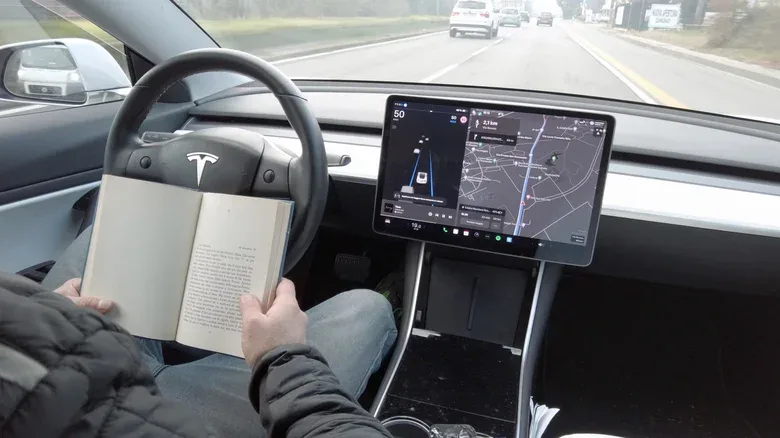
Adaptive cruise control combines standard cruise control with forward-facing sensors to maintain a set distance from the car ahead, adjusting speed automatically in traffic. However, even with Level 2 systems like Autopilot, Ford’s BlueCruise, or GM’s Super Cruise, drivers remain fully responsible for monitoring the road and taking control when necessary.
📱 Follow our Telegram channel for daily updates
Source: Jalopnik (Auto Culture & Tuning) (jalopnik.com)