🔔 Read us on Telegram — don’t miss the latest automotive news → t.me/motorhub_en
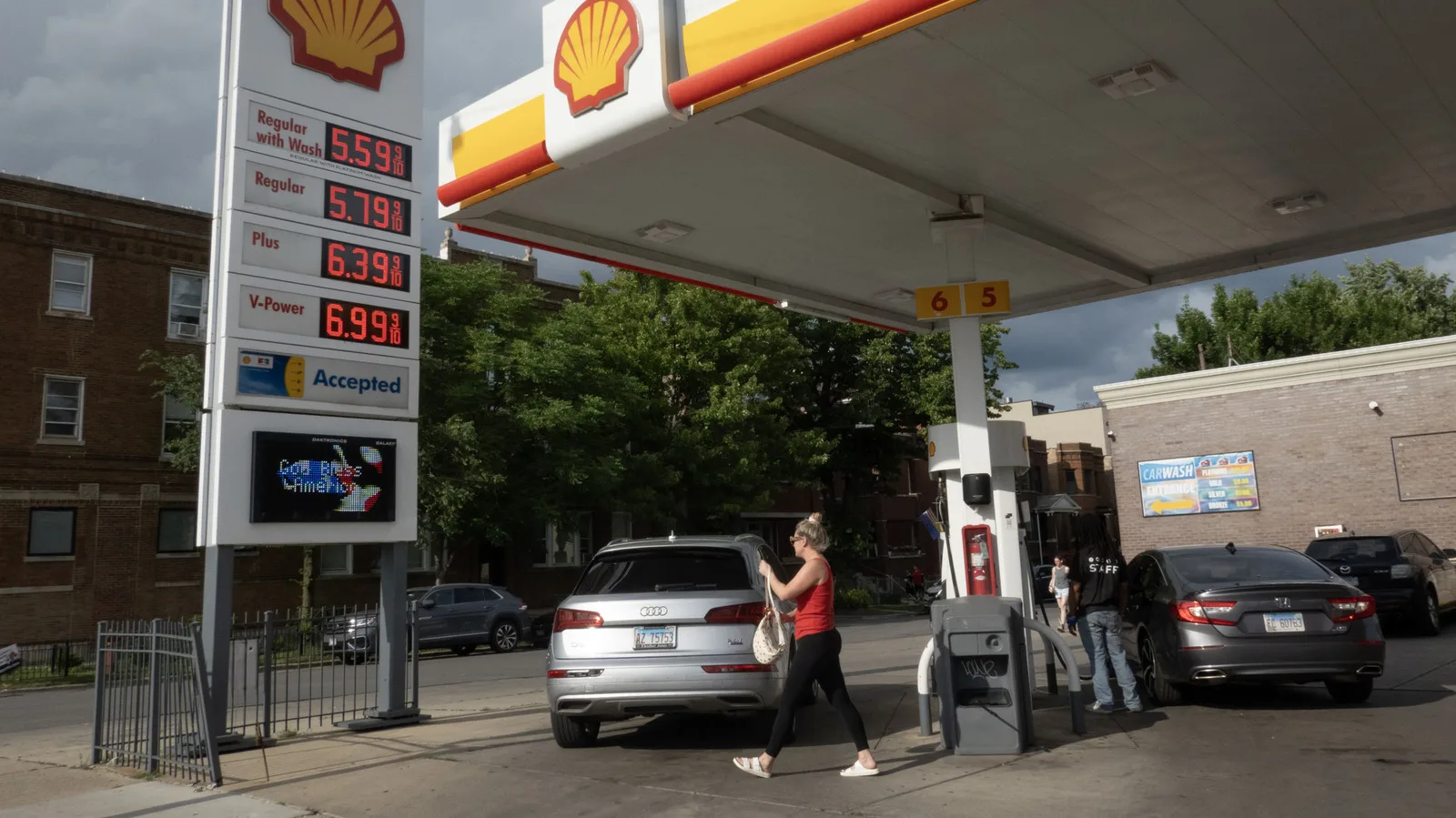
Car enthusiasts aren’t the only ones ignoring manufacturer fuel recommendations anymore. As the price gap between regular and premium gasoline widens to near-record levels, drivers across the board are switching to regular 87-octane fuel—even in cars that technically require higher octane. Data from June 22–25 shows daily premium gas sales down 5% by volume compared to pre-war levels, while regular gas sales surged 10%, according to Bloomberg.
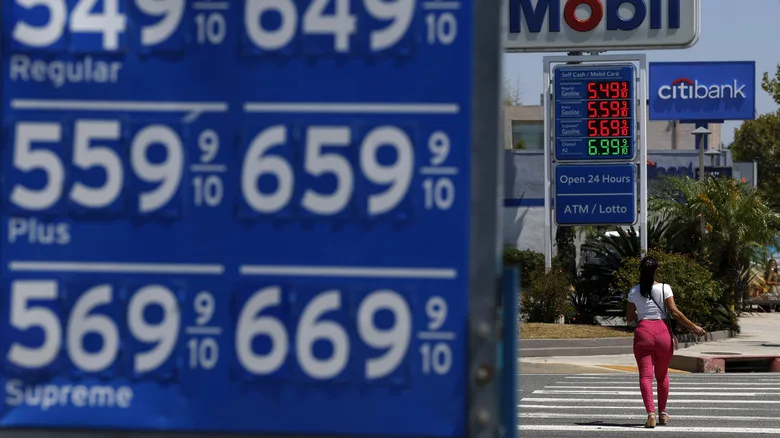
Mid-grade sales dipped 2% in the same period. The trend reflects a broader shift since the start of the Israel-Hamas war, which triggered global fuel price spikes. Patrick De Haan, head of petroleum analysis at GasBuddy, told Bloomberg that when prices rise, regular gas almost always cannibalizes premium sales—a pattern that’s repeating now.
Even luxury and high-performance car owners, who typically rely on premium to maintain optimal engine performance, are taking the risk. Some are gambling that their engine management systems can compensate, while others accept the occasional knock as a trade-off for savings. The price disparity is stark: regular gas averages $3.79 per gallon, mid-grade $4.29, and premium $4.67, per AAA.
That’s an 88-cent gap between regular and premium—the second-highest on record. A year ago, the spread was 83 cents (regular at $3.14, mid-grade at $3.61, premium at $3.97). Bloomberg projects the gap could hit a full dollar by year-end.
The shift comes as automakers increasingly recommend or require premium fuel in new models, often to meet stricter emissions standards and maximize efficiency. Yet many drivers are ignoring those recommendations, prioritizing cost savings over manufacturer guidelines. Whether it’s a compact crossover or a high-horsepower sedan, the math is simple: why pay extra for octane you might not need?
📱 Follow our Telegram channel for daily updates
Source: Jalopnik (Auto Culture & Tuning) (jalopnik.com)