🔔 Read us on Telegram — don’t miss the latest automotive news → t.me/motorhub_en
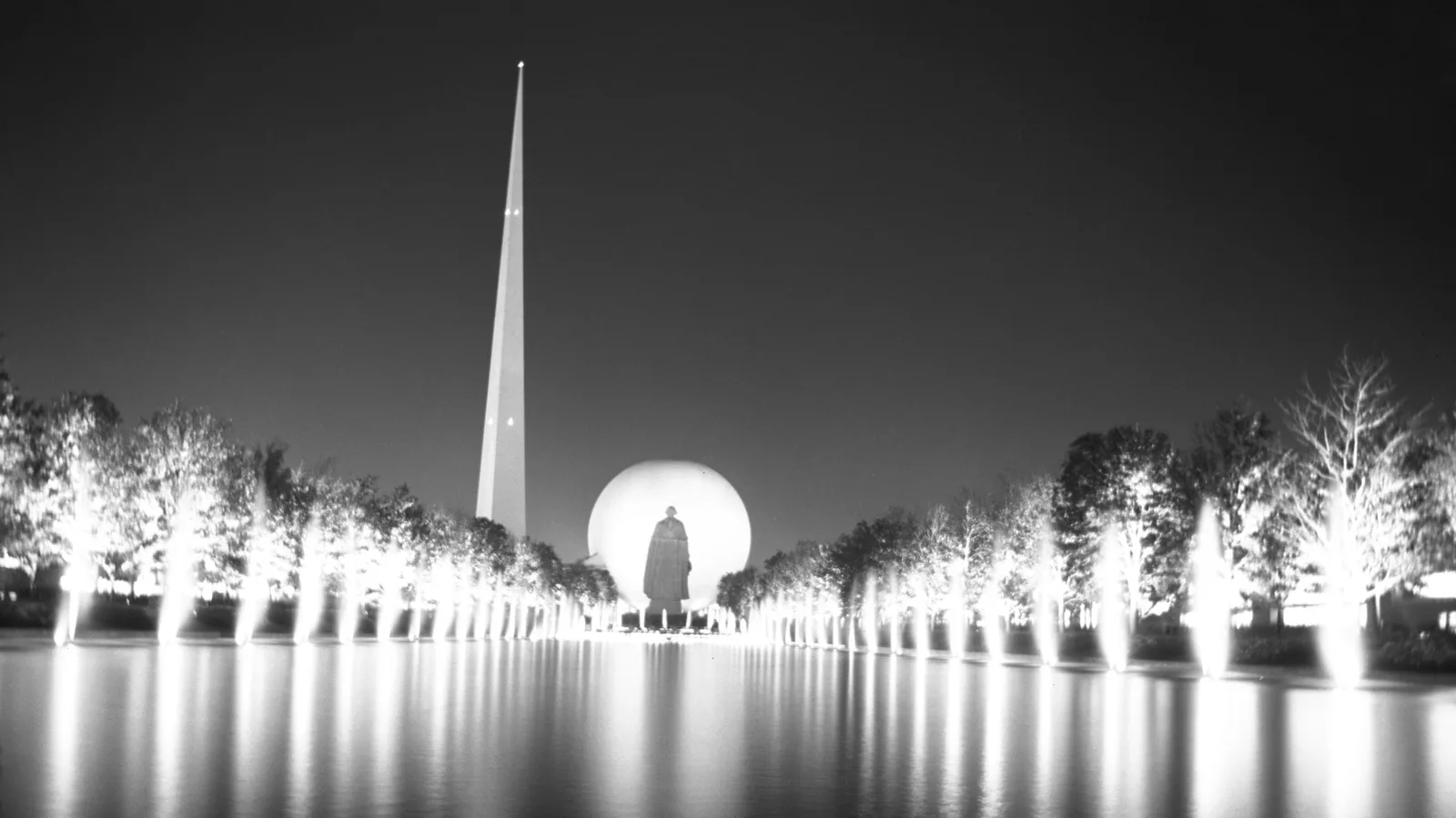
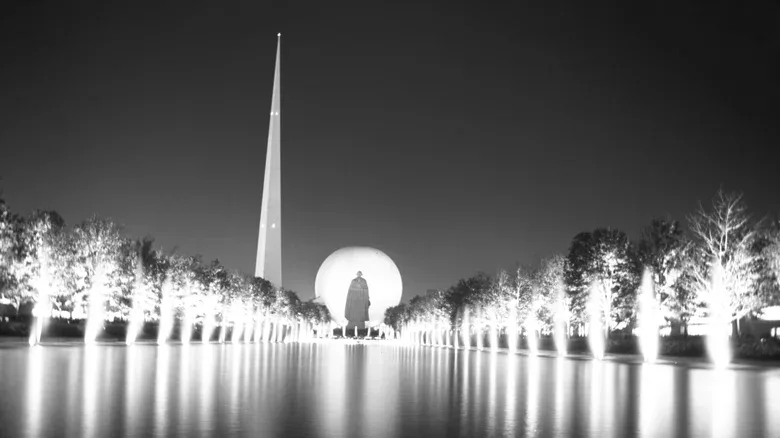
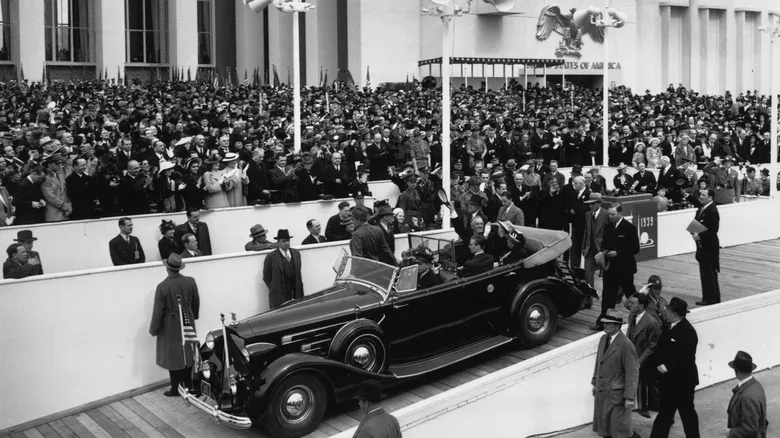
The 1939–40 New York World’s Fair is remembered as a cultural landmark that dared to imagine a technologically advanced future during the Great Depression. Despite the economic hardship, the fair drew 25.8 million paid visitors in 1939—far short of the projected 60 million—yet returned for a second season in 1940 even as war engulfed Europe. The Big Three automakers—Chrysler, Ford, and General Motors—built sprawling pavilions in Flushing Meadows, Queens, with GM’s Futurama exhibit famously predicting a world of superhighways, suburban sprawl, and gleaming skyscrapers.
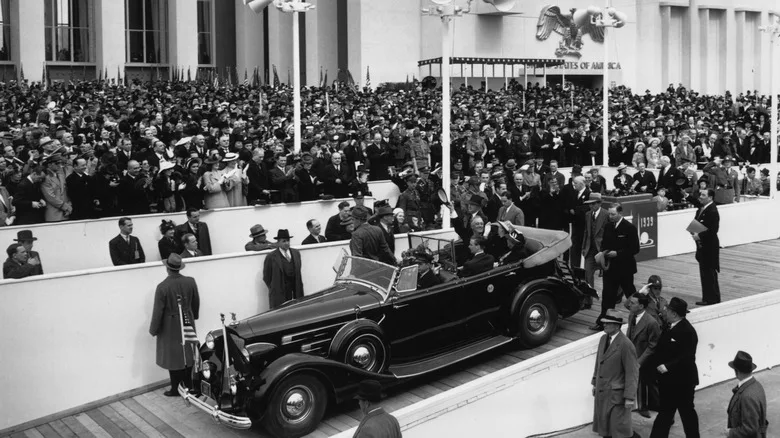
The fair’s futuristic vision left a lasting imprint on pop culture, inspiring everything from the animated series *Futurama* to the Stark Expo in *Captain America*. The 1940 season closed with a spectacle: a one-off Grand Prix race organized by the Automobile Racing Club of America (ARCA), a precursor to today’s Sports Car Club of America (SCCA). The temporary three-quarter-mile street circuit snaked between pavilion columns, with its longest straight stretching 450 yards.
The headline act was Ralph DePalma, the Italian-born Brooklynite and two-time Vanderbilt Cup winner, who served as pace car driver. The 55-lap race on October 6 drew 10,000 spectators, with Boy Scouts camped near the circuit’s two most dangerous corners. The field consisted largely of wealthy amateurs piloting imported European machinery.
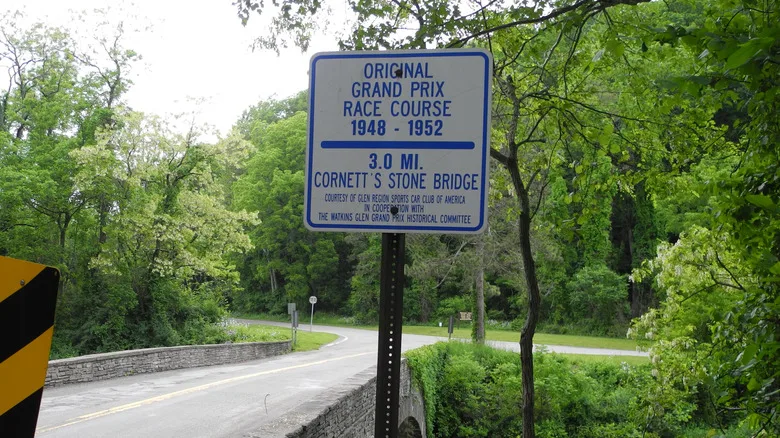
The most exotic entry was Miles Collier’s Bu-Merc, a hand-built hybrid pairing a Mercedes-Benz SSK body with a Buick Century chassis. Victory, however, went to Frank Griswold, a Harvard-educated aristocrat behind the wheel of a 1934 Alfa Romeo Tipo B Monoposto. His win foreshadowed his later triumph at the inaugural Watkins Glen Grand Prix in 1948.
The 1940 World’s Fair Grand Prix remains a footnote in racing history. ARCA disbanded in December 1941 following the attack on Pearl Harbor and America’s entry into World War II. Its former members regrouped in 1944 to found the SCCA, which still sanctions all FIA international events in the United States.
Decades later, the legacy of the New York World’s Fair’s Grand Prix contrasts sharply with today’s events. The Trump administration’s Great American State Fair on the National Mall has been plagued by problems, from a barely functional Ferris wheel to poorly constructed pavilions that resemble shantytowns. Yet even this modern spectacle will feature a late-summer race: the IndyCar Series’ Freedom 250 Grand Prix, scheduled for late August on a temporary street circuit around the National Archives and the National Air and Space Museum.
Details of the layout remain under wraps, as the White House has only shared AI-generated promotional images.
📱 Follow our Telegram channel for daily updates
Source: Jalopnik (Auto Culture & Tuning) (jalopnik.com)