🔔 Read us on Telegram — don’t miss the latest automotive news → t.me/motorhub_en
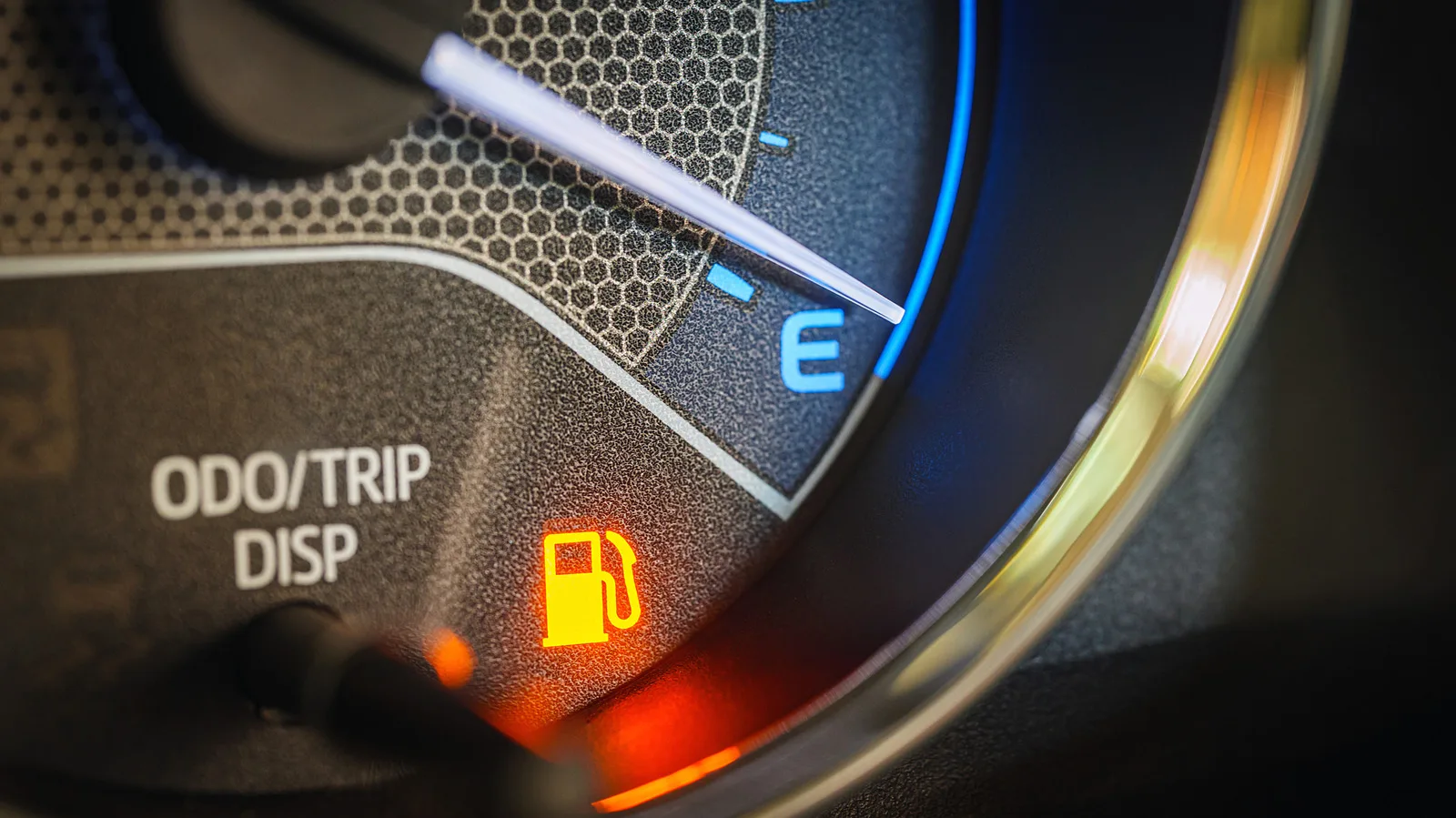
The way the EPA measures fuel economy in new cars changed dramatically after 2020, but the reason has nothing to do with aerodynamics or tire pressure. It’s all about sulfur in gasoline—and a regulatory shift that quietly made pump gas cleaner but also altered the numbers on your window sticker.
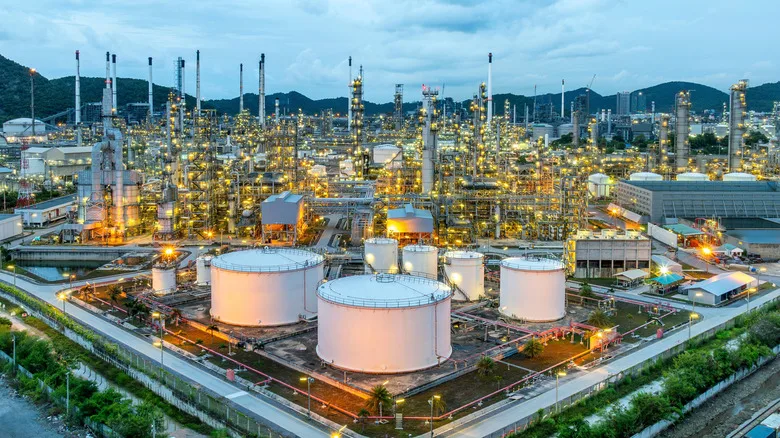
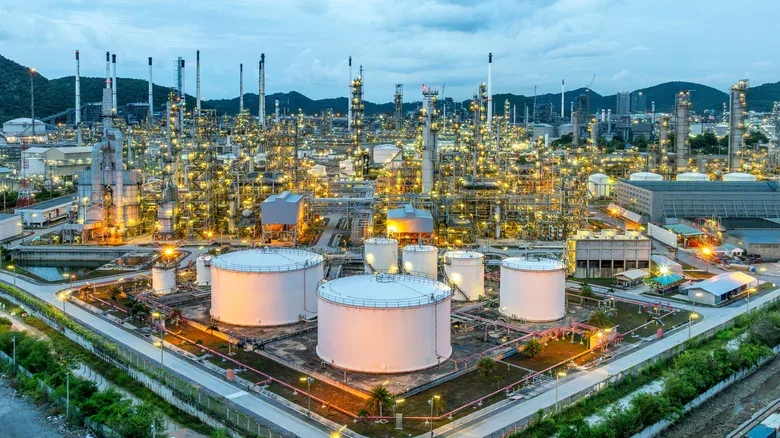
Sulfur is a natural contaminant in crude oil, and even trace amounts in gasoline can foul up a car’s catalytic converter and other emissions gear. In 2000, the EPA launched the Tier 2 Gasoline Sulfur program, slashing sulfur levels by up to 90% and forcing automakers to fit advanced aftertreatment systems starting with 2004 models.
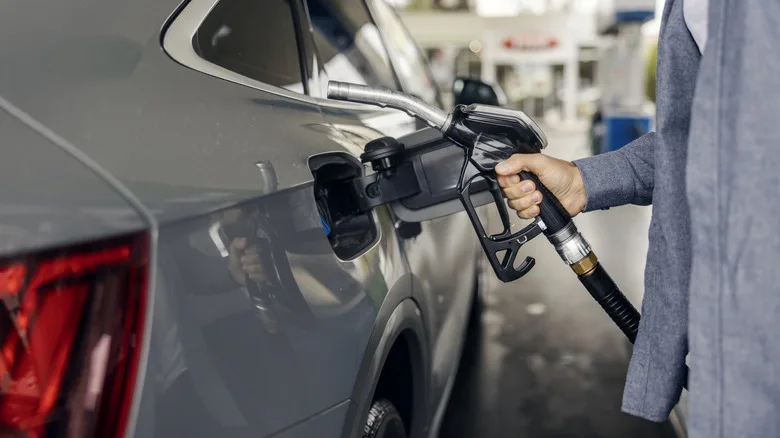
The program treated vehicles and fuel as a single system, standardizing testing across cars, SUVs, and light trucks. Then came Tier 3 in 2017, which cut sulfur content even further to a maximum of 10 parts per million (PPM).
But here’s the catch: when the EPA switched to Tier 3 test fuel in 2020, real-world fuel economy readings dropped. In the EPA’s Federal Test Procedure (FTP), average MPG fell by 2.29%, while the Highway Fuel Economy Test (HFET) saw a 2.98% decline compared to Tier 2 results.
The agency didn’t just lower sulfur—it also swapped the zero-ethanol test fuel (E0) for E10, a 10% ethanol blend that matches what most U.S. stations now sell. The EPA admitted these changes would shift the numbers: “The Tier 3 emission standards include changes to several properties of emission test fuel to make it more representative of in-use fuel, and some of these changes are expected to affect emissions and fuel economy,” the agency noted in its Tier 3 Certification Fuel Impacts Test Program findings.
The trade-off? While MPG dropped slightly, CO2 emissions fell by an average of 1.78% under FTP testing, thanks to the cleaner-burning fuel.
So, the next time you see a lower MPG figure on a 2020-or-newer car’s window sticker, blame the sulfur—and the ethanol. The EPA’s push for cleaner air has made gas less stinky, but it’s also made your fuel economy look a little worse on paper.
📱 Follow our Telegram channel for daily updates
Source: Jalopnik (Auto Culture & Tuning) (jalopnik.com)