🔔 Read us on Telegram — don’t miss the latest automotive news → t.me/motorhub_en
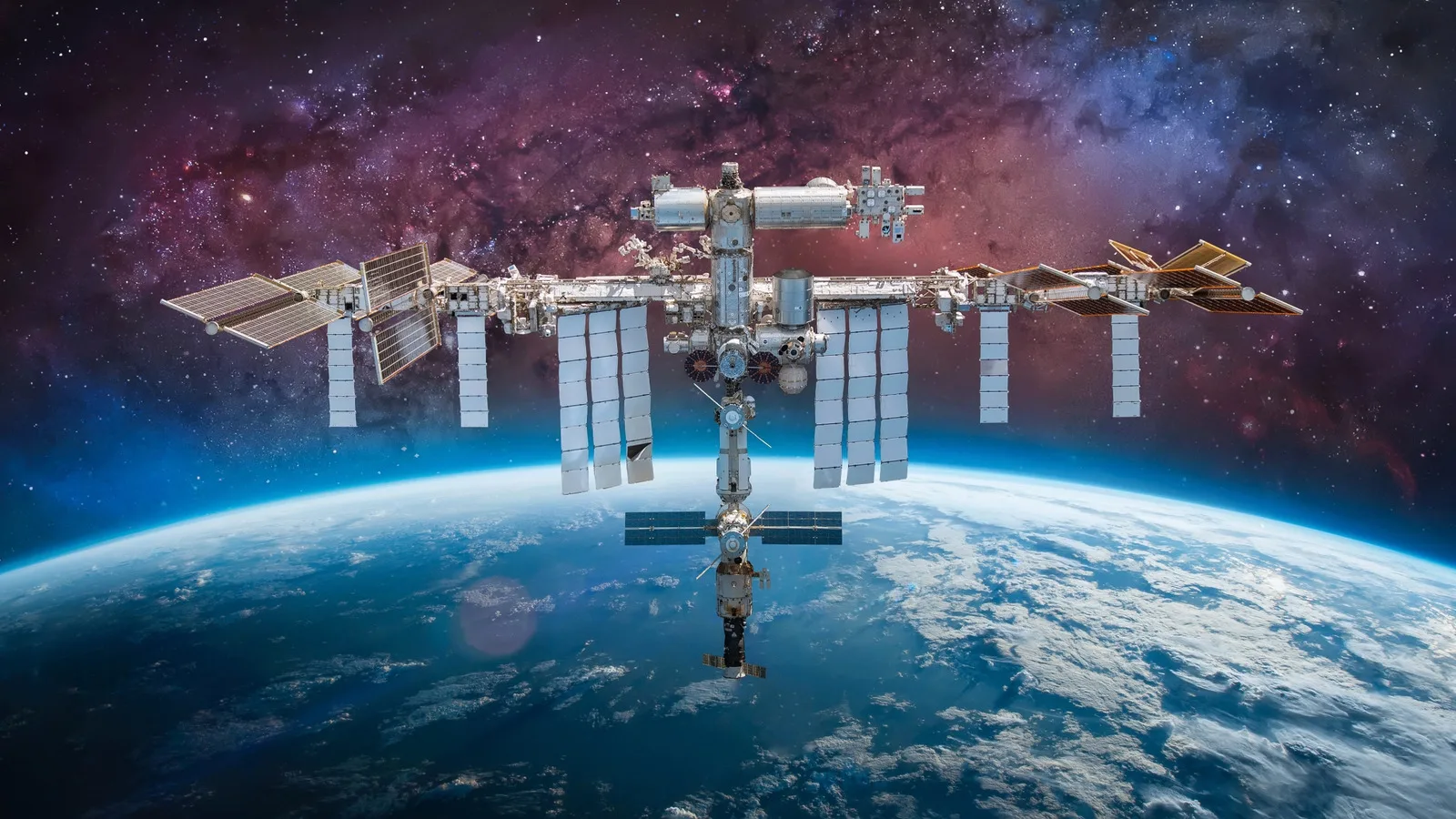
On June 5, NASA ordered the four astronauts of the Crew-12 mission—two Americans, one French, and one Russian—to prepare for an emergency evacuation of the International Space Station (ISS) due to a persistent air leak on the Russian side. The crew spent tense hours sealed inside the SpaceX Dragon capsule, ready for an immediate return to Earth, before NASA called off the evacuation.
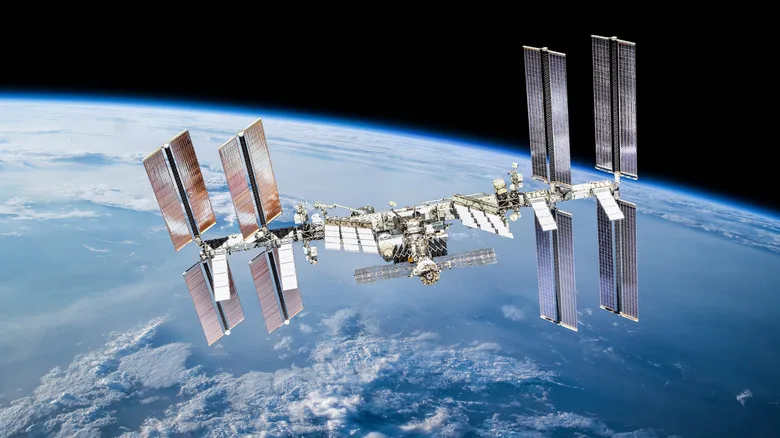
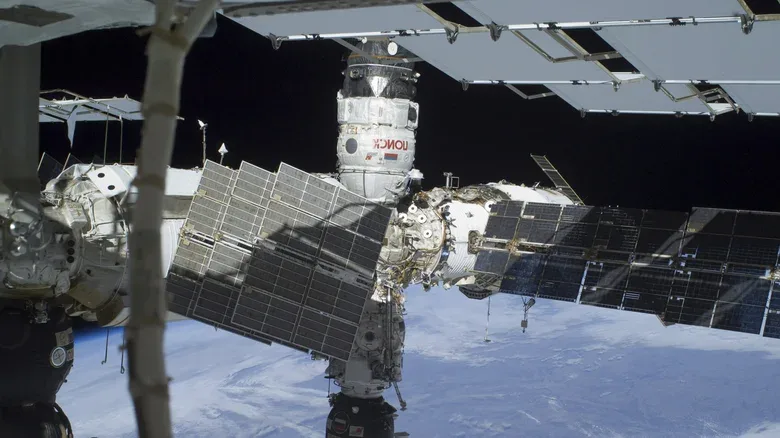
The crisis stemmed not from the leak itself but from the Russian cosmonauts’ proposed solution: drilling the station’s hull and using a saw to cut a load-bearing bracket in the PrK transfer tunnel, a short pressurized corridor connected to Russia’s Zvezda module. The PrK tunnel, which is 26 years old, has been leaking air for years, losing between 2-4 pounds of air per day when pressurized during spacecraft dockings.
Earlier in 2024, Russian cosmonauts had sealed the leaks with a sealant, but the problem resurfaced in May. Roscosmos then proposed drilling holes in the hull as a fix, claiming a $5 drill stop would prevent catastrophe.
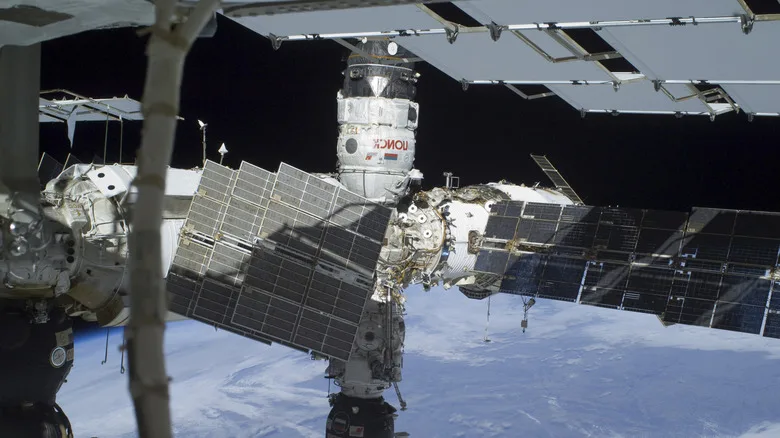
NASA, understandably skeptical, intervened and threatened to evacuate the station. When the Russians returned with a saw—apparently to slice through a structural bracket—NASA ordered the astronauts into the Dragon capsule.
The public dispute forced Roscosmos to abandon its repair plans entirely. Russia now intends to decommission the PrK tunnel permanently, rendering the attached docking port unusable for cargo transfers but still functional for fluid transfers via pipes.
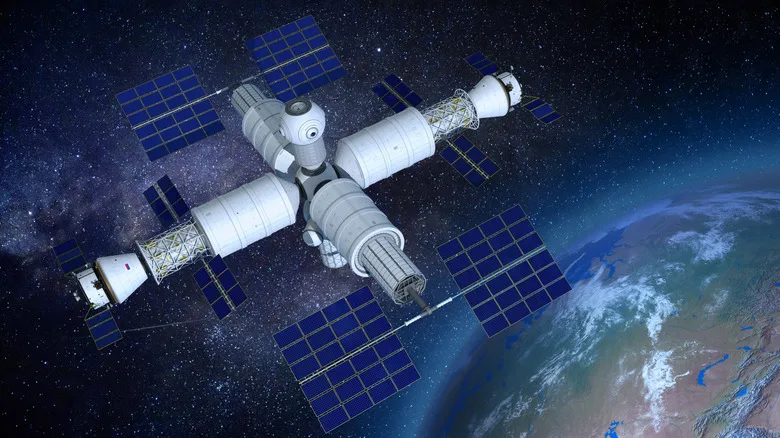
The tunnel will no longer be pressurized, eliminating the risk of an explosive failure. Meanwhile, the future of the ISS remains uncertain.
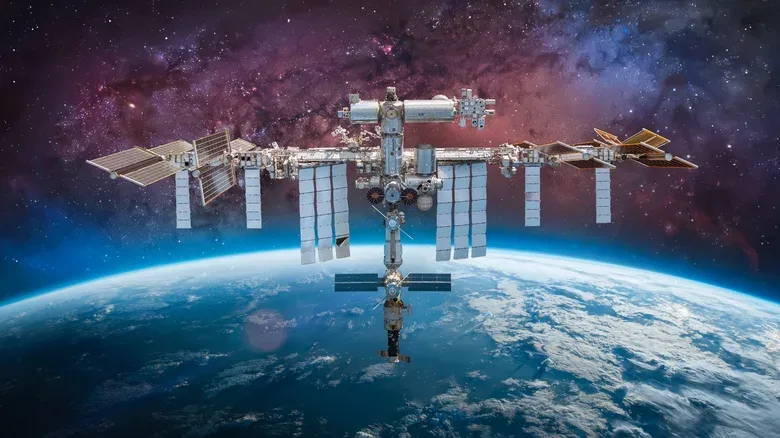
Originally slated for retirement, the station’s operational life has been extended to 2030 under the Biden administration, with the NASA Authorization Act of 2026 proposing a further extension to 2032. This delays the eventual separation of NASA and Roscosmos, a partnership already strained by geopolitical tensions.
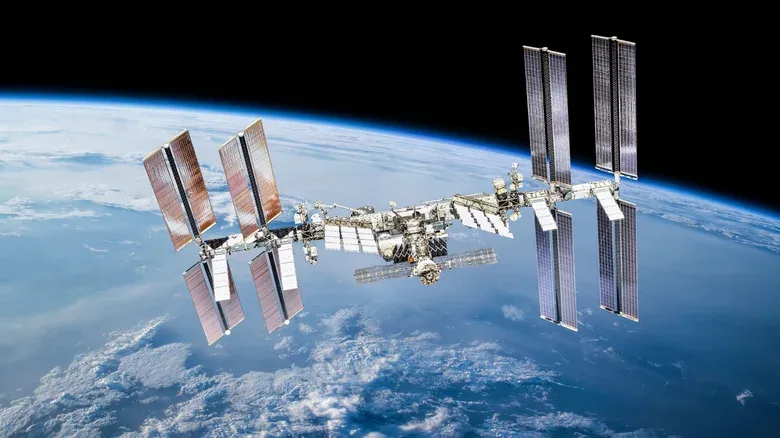
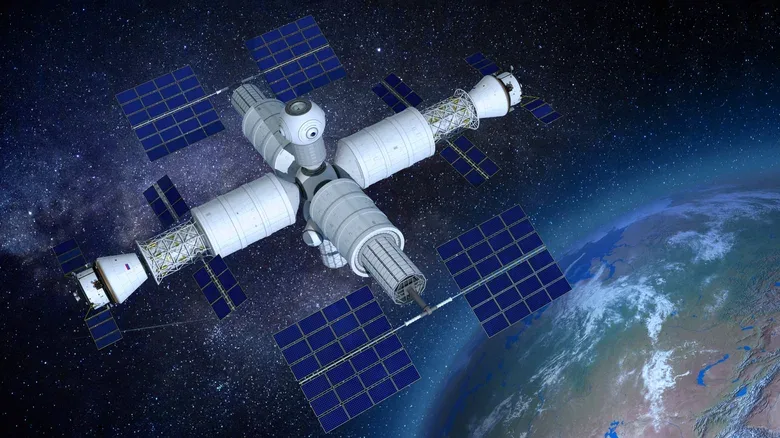
Russia has no plans to retire its segment of the ISS and instead intends to continue using it, despite the aging infrastructure and recurring technical issues. The incident highlights the growing risks of operating an aging orbital outpost amid deteriorating international relations.
📱 Follow our Telegram channel for daily updates
Source: Jalopnik (Auto Culture & Tuning) (jalopnik.com)