🔔 Read us on Telegram — don’t miss the latest automotive news → t.me/motorhub_en
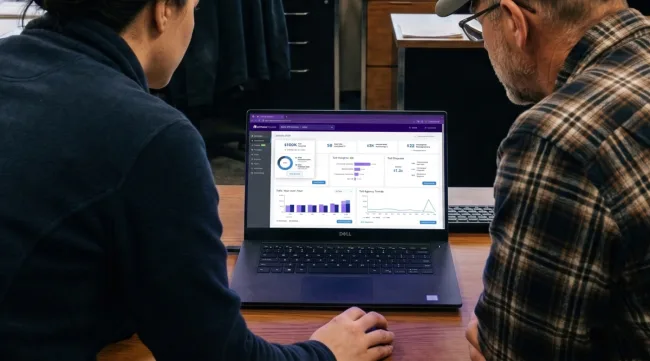
Sponsored PrePass Your toll invoice shows what you paid. Your toll data shows why September 7, 2026 12:00 PM, EDT A toll transaction records a time, a location, a lane, a vehicle, and a plate, but shows up as a single line on most fleets’ monthly bill. The dollar figure is the one part nobody controls. Rates are published in advance, so a fleet can budget for them and move on. Everything else in that record describes how the operation ran. When toll spend climbs faster than rates do, the cause is usually there. What the record can answer. Start with the questions a monthly bill doesn’t answer. Was the vehicle actually at that location? Was the correct transponder and plate assigned to it? Was an express lane used, and did the schedule call for it? Has the same charge turned up before on the same truck? The toll record holds those answers. One charge on its own looks like a small variance not worth chasing. Across a month, those variances describe which lanes drivers preferred, which trucks left the route, and where equipment records drifted out of date. A fleet pays to generate that record every time a truck crosses a plaza, and almost none of it gets used. Why the answers stay buried. Two things get in the way. The first is volume, since a large operation can generate tens of thousands of toll transactions a month across a dozen or more agencies. The second is that no single system holds what you need. Toll records sit with the agencies, GPS data with your telematics provider, and vehicle, plate, rental, and lease records in your own systems or with a partner. Checking one charge means pulling from at least three of them. Nobody does that a thousand times a month. Manual review catches isolated problems well enough. It rarely catches the patterns behind them, and that is where the larger costs are. Reading the records together. Answering those questions across thousands of charges means comparing each one against what the operation did, and doing it before the invoice arrives. PrePass ® Toll Management brings toll activity from multiple agencies into one place through INFORM TM Tolling, so separate agency bills arrive as one monthly invoice. From there, GPS Toll Verification checks charges against route and GPS data, while AI Toll Insights, within INFORM Tolling, connects toll, GPS, and vehicle data to surface transponder mismatch, plate mismatch, express lane usage, max toll charges, unmatched location events, and out-of-route activity. Together they narrow a month of charges to the few worth review, so costs land on the right vehicle, renter, or customer, and recurring issues show up as trends. Toll rates will keep rising, and that part is settled before the bill arrives. The rest of the record is yours to use. See how PrePass ® Toll Management helps fleets act on their toll data: prepass.com/toll-management. Image PrePass ® is North America’s most utilized and technologically advanced weigh station bypass and toll payment platform. Proven PrePass technologies enable safe, qualified motor carriers to bypass inspection facilities at highway speeds, saving them time, fuel, and money while reducing emissions. As the only provider to offer bypass and tolling solutions, PrePass technology allows fleets to regain control of toll costs, eliminate toll violations, and automatically resolve max toll disputes. That’s why more than 105,000 fleets subscribe over 750,000 commercial vehicles to PrePass services. Learn more at PrePass.com. The above article is sponsor-generated content. To learn more about sponsor-generated content, click here.
📱 Follow our Telegram channel for daily updates
Source: Transport Topics — Michelin & Tires (EN) (ttnews.com)