🔔 Read us on Telegram — don’t miss the latest automotive news → t.me/motorhub_en
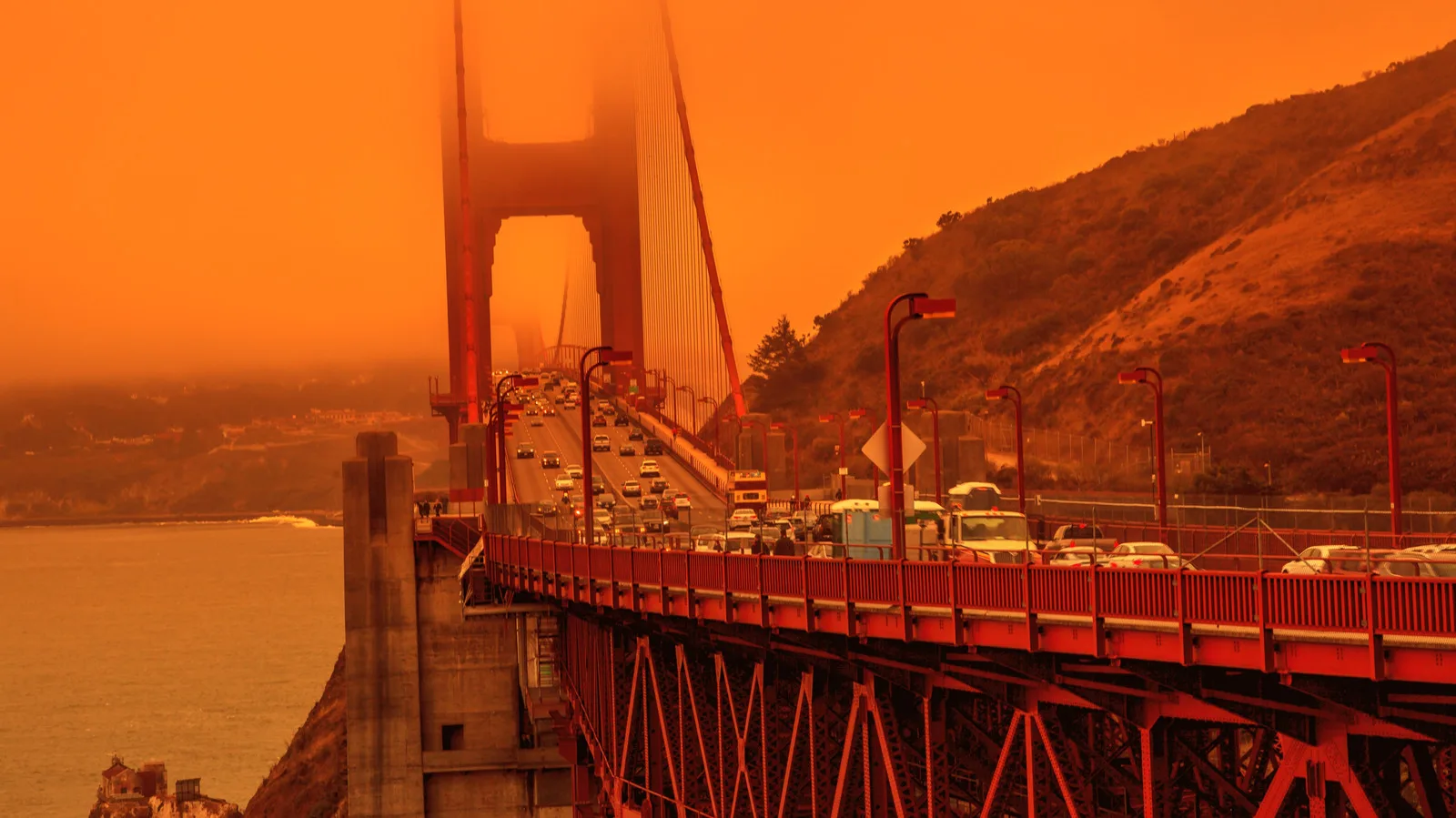
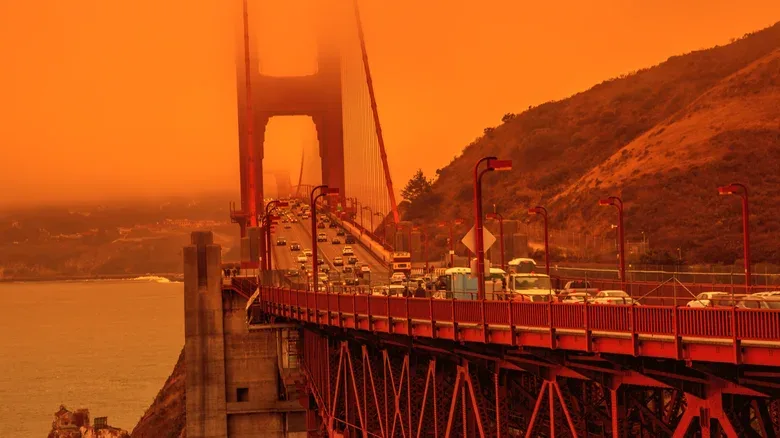
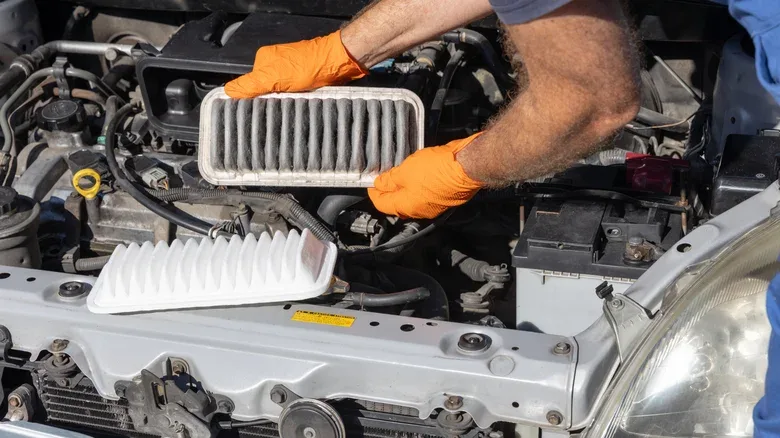
Wildfire smoke drifting from Canada into the U.S. has turned skies orange and choked air quality to levels comparable to heavy cigarette smoke, and it’s taking a toll on cars as well as lungs. Engines and cabins both rely on clean air to function properly; wildfire smoke accelerates clogging of the engine intake filter and cabin air filter, which can sap engine performance and reduce air-conditioning efficiency.
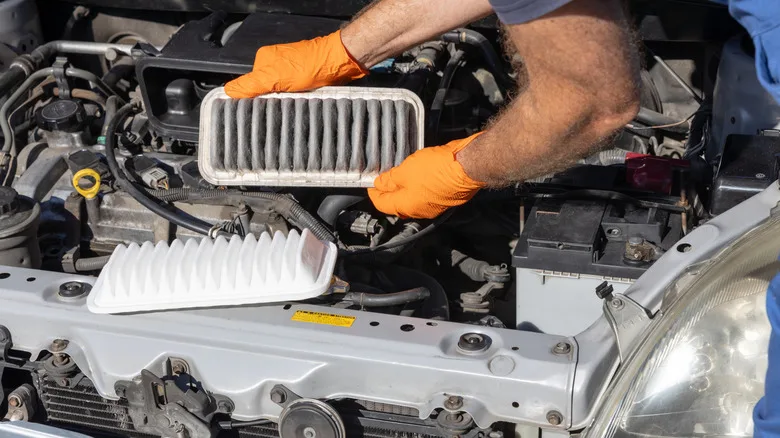
Lingering smoke residue can also permanently alter the smell inside the cabin. Close to active fires, heavy ash and debris can overheat sensors and trigger a check-engine light.
Ash is abrasive and may contain acidic compounds that mar paint; wiping it dry without a proper wash can act like sandpaper, creating fine scratches and swirl marks. Comprehensive auto-insurance policies typically cover fire, smoke, ash, melted parts, broken glass, and professional cleaning or interior remediation, while basic liability and collision policies do not.
However, filters, routine maintenance, and smoke-induced corrosion or mechanical failures are usually excluded. Manufacturer warranties also won’t step in because they cover defects, not natural disasters.
The best defense is frequent filter checks and early replacements, keeping windows up and using the HVAC recirculation mode (the U-shaped arrow icon), and avoiding dry-wiping ash from paintwork.
📱 Follow our Telegram channel for daily updates
Source: Jalopnik (Auto Culture & Tuning) (jalopnik.com)