🔔 Read us on Telegram — don’t miss the latest automotive news → t.me/motorhub_en
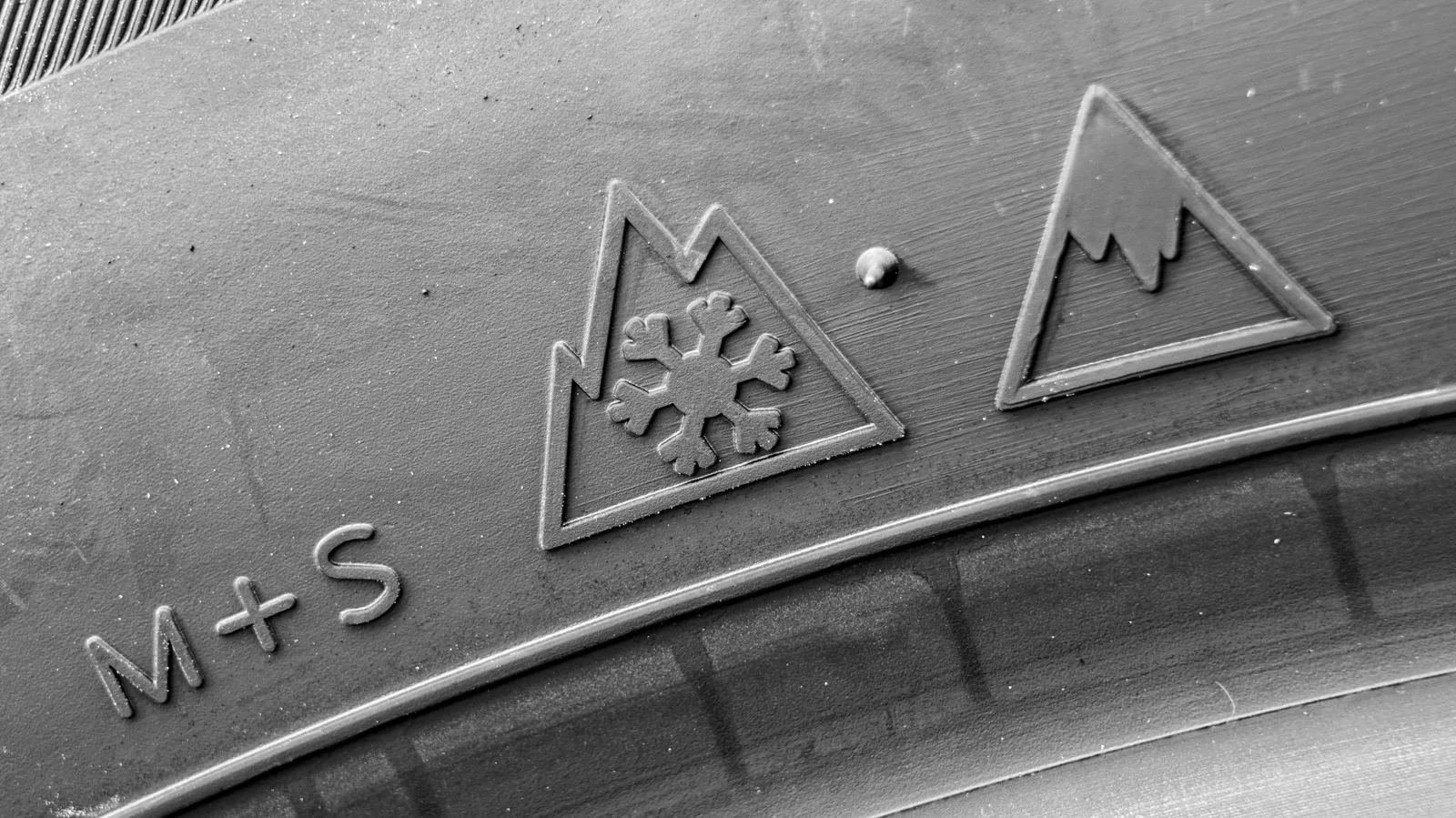
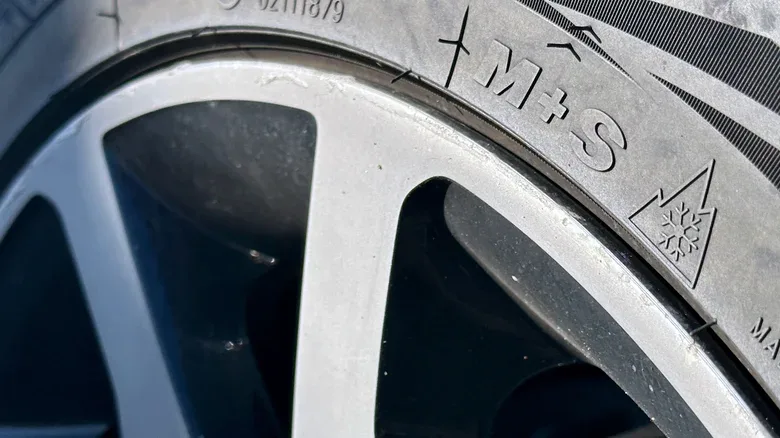
All-weather tires bridge the gap between all-season and dedicated winter rubber, but they’re not just marketing fluff. The key differentiator is the 3PMSF (Three-Peak Mountain Snowflake) symbol stamped on the sidewall — a performance-based rating that proves the tire can handle snow far better than a standard all-season. Unlike the generic M+S (Mud and Snow) label, which is based on tread pattern alone, the 3PMSF requires tires to pass the ASTM F1805 traction test.
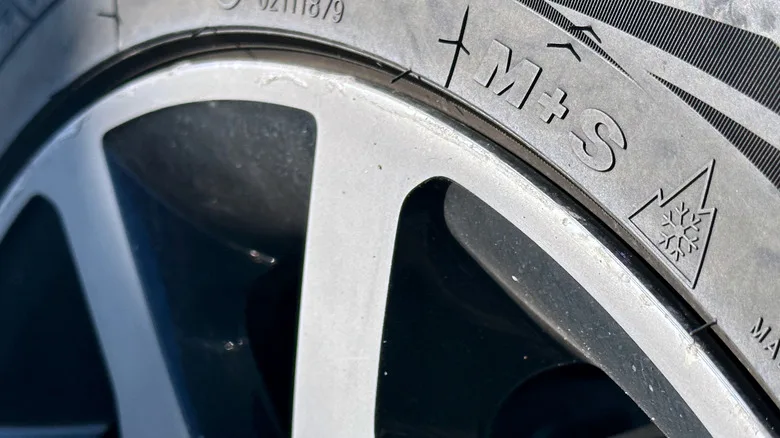
To earn the symbol, a tire must deliver at least 12% better accelerative traction than a standard reference test tire (SRTT), now using a P225/60 R16 tire under the latest ASTM F2493 standard. The test itself is meticulously controlled: a medium-packed snow surface is prepared, ambient air temperature capped at 38°F, and snow surface temperature kept between 5°F and 25°F. A specialized test truck spins the tire to measure traction coefficient, but notably, the test doesn’t evaluate braking or cornering — a gap that explains why some all-seasons outperform certain 3PMSF-rated all-weather tires in real-world conditions.
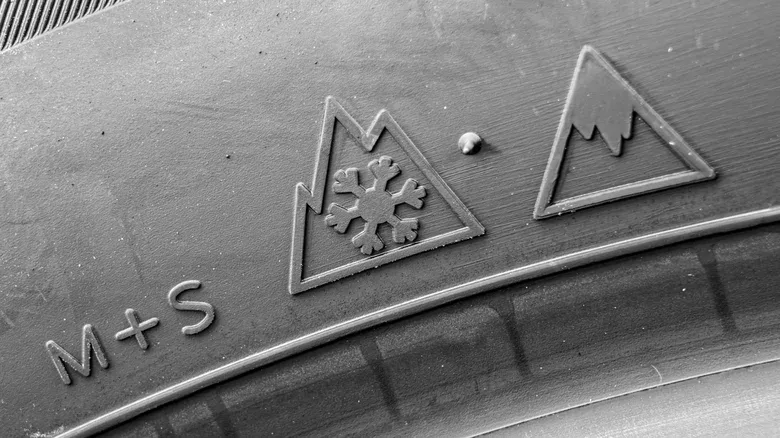
For ice performance, the Ice Grip symbol takes things further. Dedicated winter tires like the Nokian Hakkapeliitta R5 — a top pick from Consumer Reports — can carry this mark, which requires compliance with ISO 19447:2021. To qualify, tires must undergo rigorous braking tests on polished ice, delivering at least 18% better grip than the reference tire.
The test surface is prepped to maintain ice temperature between 5°F and 23°F, with air temperature (measured 3 feet above) between 5°F and 39°F. A test vehicle with ABS-capable brakes is used, and tires are broken in by driving 62 miles on dry pavement before three braking cycles from 12–15 mph. The Ice Grip rating is a relatively new addition, designed to help buyers cut through the noise and identify tires that truly stop well on ice — a critical advantage over 3PMSF-rated tires, which only certify snow traction.
So next time you see that tiny mountain symbol, remember: it’s not just decoration. It’s the result of brutal, standardized testing meant to keep you moving safely when the flakes fall.
📱 Follow our Telegram channel for daily updates
Source: Jalopnik (Auto Culture & Tuning) (jalopnik.com)