🔔 Read us on Telegram — don’t miss the latest automotive news → t.me/motorhub_en
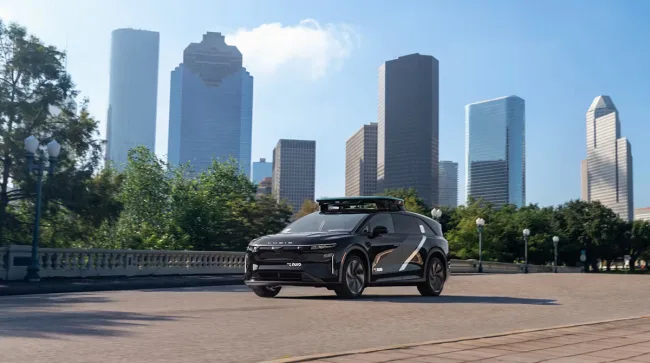
Uber Technologies Inc. is set to launch driverless robotaxi rides in Houston starting mid-2027, using autonomous vehicles developed by Lucid Group Inc. and Nuro Inc. The move marks Uber’s latest push to compete directly with Alphabet Inc.’s Waymo in the autonomous ride-hailing space. Nuro is already conducting testing in Houston, but commercial service won’t begin until mid-2027, the company confirmed in a June 17 statement. Uber has not disclosed how many vehicles will be available at launch, with further details to be revealed closer to the service’s debut. Lucid will ramp up its fleet of test vehicles from its Arizona factory in the coming weeks to support safety validation and certification for public deployment. Uber’s strategy shifts away from building its own autonomous tech after selling its in-house research team in 2020. Instead, the company is focusing on infrastructure and partnerships to scale commercial robotaxi operations. Uber has inked more than a dozen deals with autonomous vehicle developers in recent years, positioning itself as the go-to platform for both autonomous and human-driven rides in the U.S. and internationally. The company has invested hundreds of millions in Lucid and Nuro and plans to expand robotaxi service to the San Francisco Bay Area as part of a broader partnership announced last year. In April, Uber solidified its commitment with Lucid, agreeing to purchase at least 35,000 robotaxis for deployment across dozens of markets in the coming years. Houston, a key market with over 2.3 million residents, will serve as a critical battleground in the autonomous ride-hailing race. Uber currently collaborates with Waymo in Austin, Atlanta, and Phoenix, where Waymo operates independently in major cities like San Francisco, Los Angeles, Houston, and Dallas. The Houston deployment will be supported by a new 50,000-square-foot depot and dedicated charging hub, set to begin construction in early 2027. The facility will feature 40 fast chargers and 15 maintenance bays, designed to handle charging, repairs, cleaning, and other fleet operations at scale. Uber has not yet named its Houston fleet partner but plans to share details later. The company’s broader robotaxi ambitions hinge on Nuro securing additional California permits for paid rides and fully driverless passenger trips, though the company has already received permits for driverless testing and passenger transport with a safety driver. Waymo remains Uber’s primary competitor in the autonomous space, with Waymo operating independently in Houston and other major markets.
📱 Follow our Telegram channel for daily updates
Source: Transport Topics — Michelin & Tires (EN) (ttnews.com)