🔔 Read us on Telegram — don’t miss the latest automotive news → t.me/motorhub_en
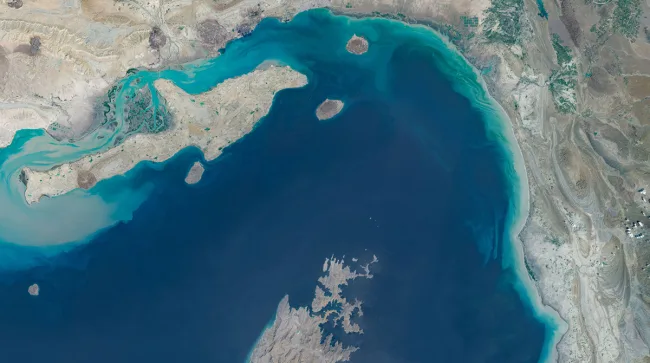
The United States and Iran remain deadlocked over control of the Strait of Hormuz, a critical chokepoint for global oil and liquefied natural gas shipments, with no breakthrough in sight despite ongoing indirect talks. The impasse has persisted even after the collapse of an interim peace deal last month, with both sides trading strikes and escalating rhetoric. Iran’s Islamic Revolutionary Guard Corps launched ballistic missiles at U.S. forces in the Middle East on July 28, 2026, but all were intercepted by U.S. defenses. Meanwhile, the U.S. and Saudi Arabia struck Tehran-backed militias in Iraq in response to recent attacks on Saudi oil facilities. President Donald Trump warned of a severe response to the Jordanian strike on U.S. forces, though White House spokeswoman Anna Kelly dismissed anonymous speculation about his decision-making. Analysts and officials from the U.S., Iran, and Europe suggest the conflict could drag on for months, with neither side willing to back down. Iran insists on managing traffic through the strait and imposing fees on vessels, a demand the U.S. rejects. The Islamic Republic views control of the waterway—through which one-fifth of global oil and LNG supplies typically flow—as essential to its national security and leverage over Washington. Mediators, including Oman, are attempting to broker a short-term deal to ease tensions and restart formal peace talks, but Iran’s insistence on sole control over vessels entering the Persian Gulf has stalled progress. Iran believes it can withstand pressure from a potential U.S. naval blockade, citing Trump’s reluctance to escalate due to concerns over oil price spikes and the depletion of American munitions and oil reserves. The U.S. Strategic Petroleum Reserve is at its lowest level since the 1980s, and sophisticated weaponry, including air-defense missiles, has been significantly depleted since the war began in February. Despite the military pressure, Iran continues to match U.S. escalation, analysts say, with the most likely outcome being a prolonged low-level conflict rather than a return to all-out war. Gulf states and regional actors like Pakistan are working to calm tensions, but neither Washington nor Tehran appears willing to concede on the Hormuz dispute. The stalemate has intensified political pressure on Trump to end the conflict, particularly with midterm elections looming in November.
📱 Follow our Telegram channel for daily updates
Source: Transport Topics — Michelin & Tires (EN) (ttnews.com)