🔔 Read us on Telegram — don’t miss the latest automotive news → t.me/motorhub_en
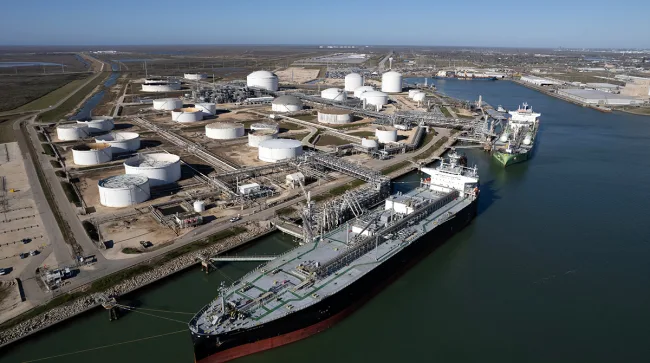
President Donald Trump has extended a 90-day Jones Act waiver, allowing foreign-flagged vessels to transport select energy commodities between U.S. ports, but with stricter conditions. The waiver, finalized on August 10, 2026, now requires case-by-case reviews for individual voyages, a shift from the broader exemptions previously granted. The move comes as disruptions in the Middle East, particularly the Iran war, continue to strain global oil supplies and drive up fuel costs. The waiver covers a narrower range of cargoes, including gasoline, jet fuel, crude oil, naphtha, liquefied natural gas, soy oil, and fertilizers. Under the Jones Act, goods transported between U.S. coastal ports must typically be carried on U.S.-built, -owned, and -operated ships. The Pentagon will now consult with the U.S. Maritime Administration before approving waivers for specific voyages. The extension follows a historic initial waiver issued in March 2026, which applied to hundreds of goods amid Middle East conflicts. While the administration argues the waiver prevents supply shortages and controls costs, shipbuilders and congressional supporters, including House Speaker Mike Johnson (R-La.) and Majority Leader Steve Scalise (R-La.), oppose the exemptions, citing harm to the domestic maritime industry. The White House framed the extension as necessary to maintain access to critical resources, citing increased domestic deliveries of essential products. The decision reflects ongoing concerns about energy market stability ahead of the November 2026 midterm elections.
📱 Follow our Telegram channel for daily updates
Source: Transport Topics — Michelin & Tires (EN) (ttnews.com)