🔔 Read us on Telegram — don’t miss the latest automotive news → t.me/motorhub_en
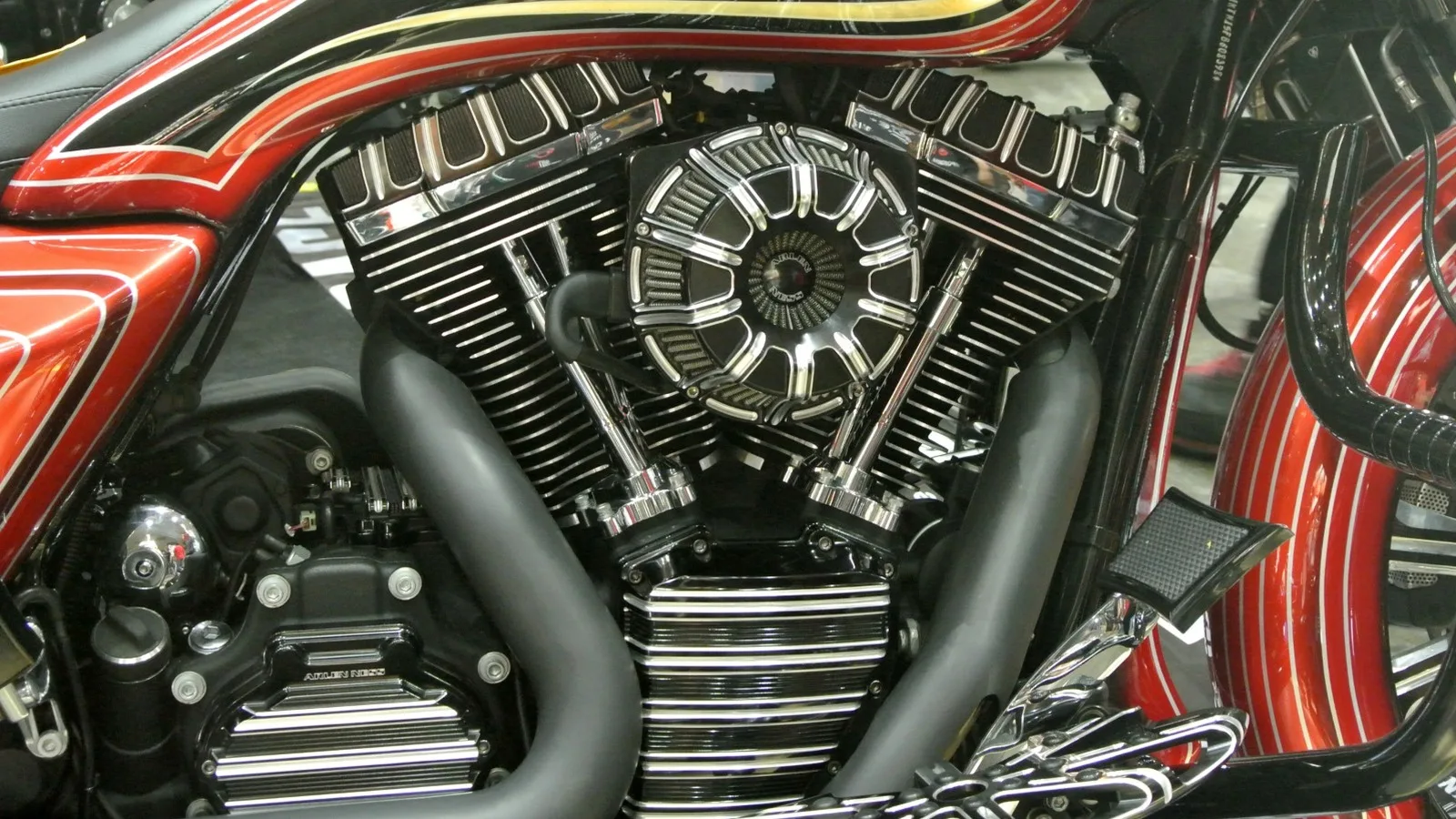
Harley-Davidson’s identity is inseparable from its V-twin engine, a design that has defined the brand’s sound, character, and legacy for over a century.
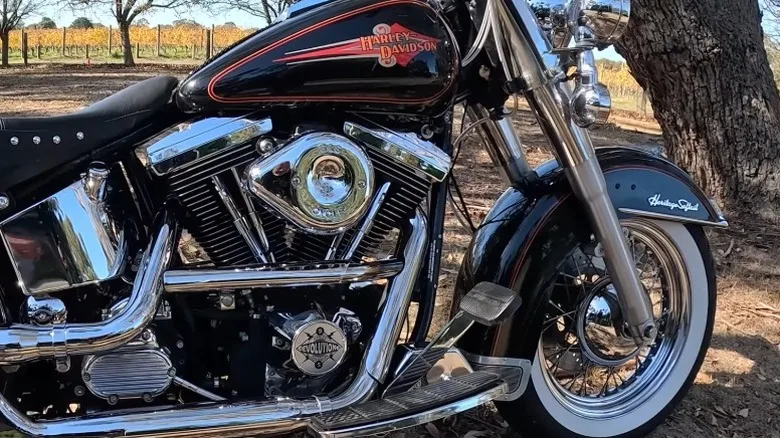
The story begins in 1909 with the company’s first V-twin, the 49.5-cubic-inch Model 5-D, a 7-horsepower atmospheric-valve engine that introduced the iconic “potato-potato-potato” rumble.
This 45-degree V-twin layout was chosen to fit the loop frames of the era, setting the stage for Harley’s mechanical soul.
Rival Indian Motorcycle had already beaten Harley to the American V-twin market in 1907 with a 39-cubic-inch, 42-degree V-twin, but Harley’s engineering team quickly refined its design, transitioning to the F-Head in 1911.
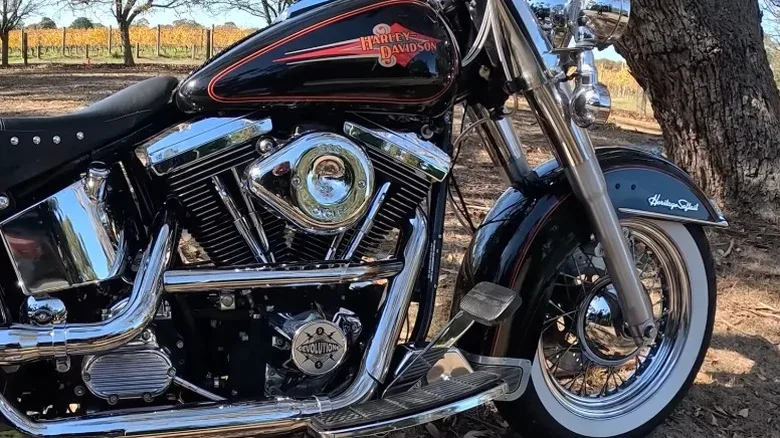
The F-Head featured an inlet-over-exhaust (IOE) valve layout, where the intake valve sat above the piston and the exhaust valve remained on the side, resembling the letter F.
This design improved airflow and efficiency, boosting output to 24 horsepower in later 61-cubic-inch and 74-cubic-inch versions.
The F-Head powered Harleys through World War I and beyond, even earning admiration from Rolls-Royce, which used similar engines until 1959. In 1929, Harley introduced the Flathead, the first engine to earn an unofficial nickname.
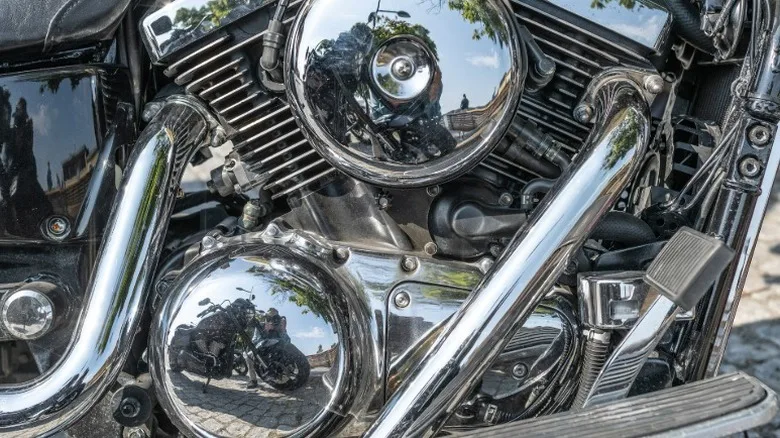
Its flat-topped cylinder heads and side-valve design gave it durability and simplicity, with variants ranging from 45 cubic inches to 80 cubic inches and outputs up to 34 horsepower.
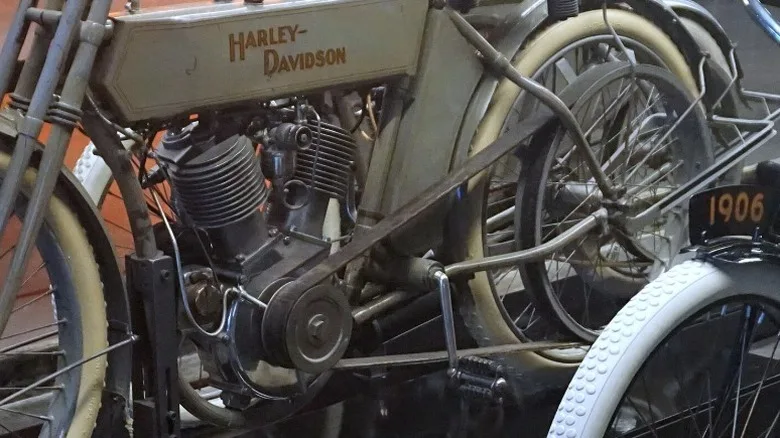
The Flathead remained in production until 1952, later finding a second life in Harley’s Servi-Car three-wheeler until 1973. Despite its longevity, the Flathead struggled with heat loss and airflow inefficiency. Harley’s V-twin evolution wasn’t linear.
The brand faced financial crises, wars, and shifting rider tastes, but each generation absorbed lessons from the last.
The Great Depression and the AMF years of the 1970s and 1980s tested the company’s resilience, yet Harley-Davidson repeatedly pulled itself back from the brink.
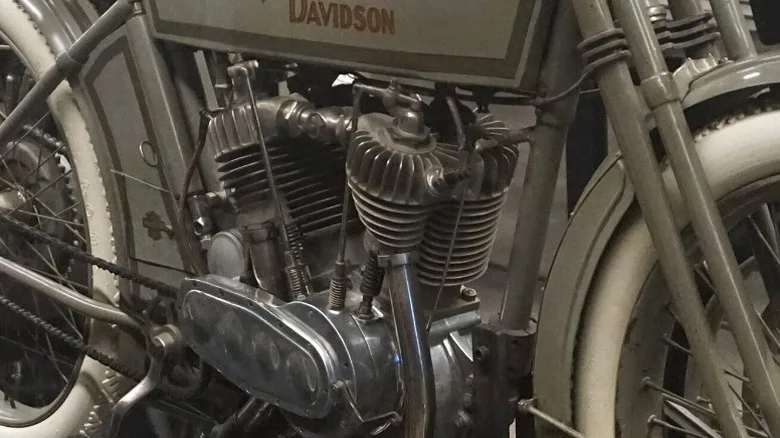
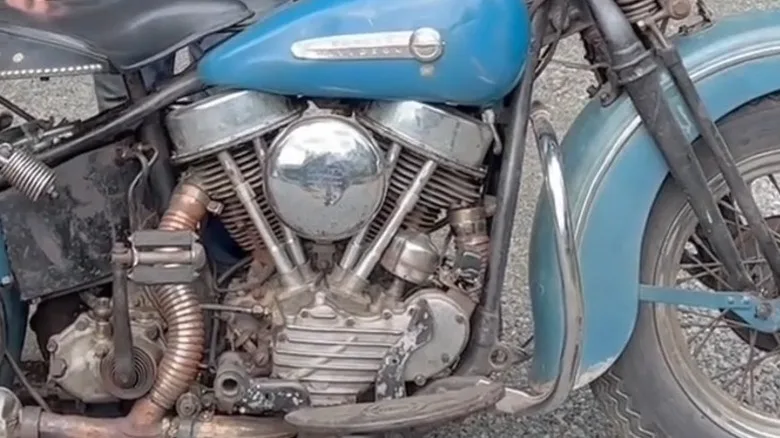
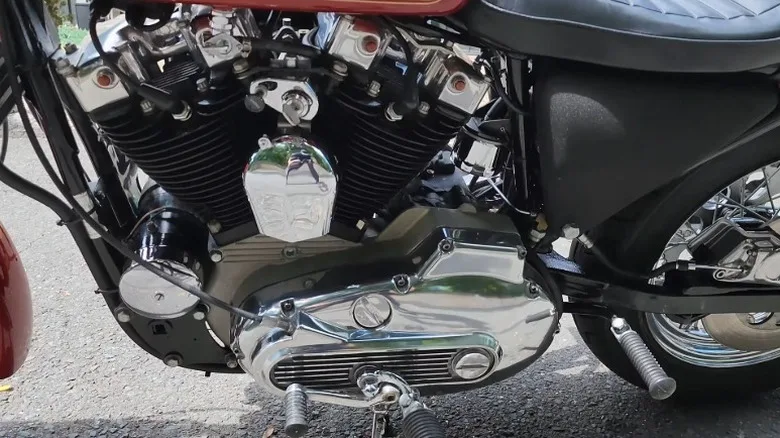
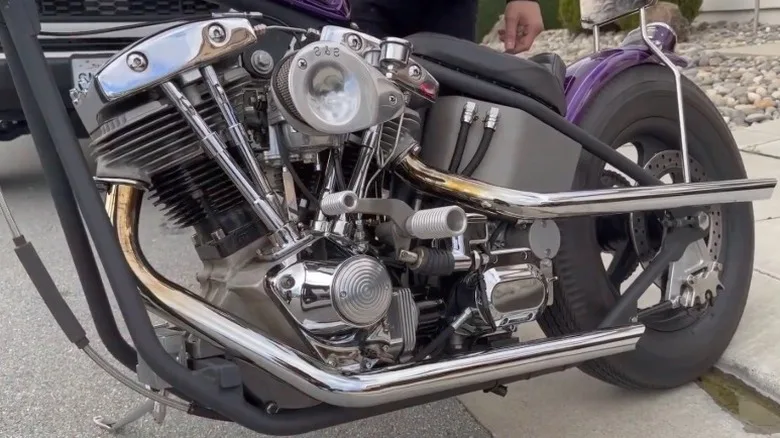
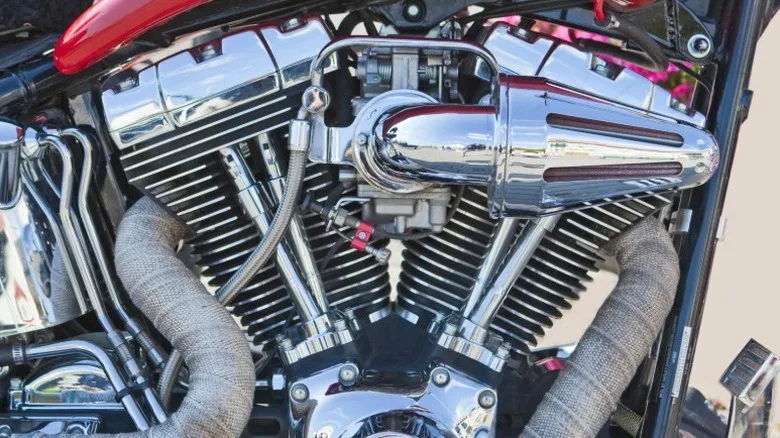
Along the way, the engines earned nicknames as vivid as the bikes themselves: Knucklehead, Panhead, Shovelhead, and more.
These monikers weren’t just marketing—they reflected the mechanical quirks and cultural impact of each engine.
The V-twin’s uneven firing intervals, with one cylinder firing, a pause, and then the second cylinder firing, create Harley’s signature sound.
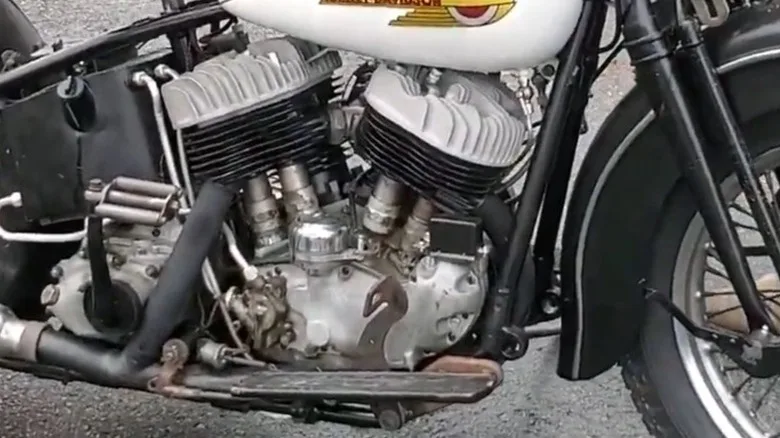
This complexity comes from the engine’s design: two cylinders angled in a V, each with its own valvetrain, intake, and exhaust routing.
While simpler single-cylinder engines are cheaper, the V-twin’s added complexity delivers the power and character that define Harley-Davidson.
From the atmospheric-valve Model 5-D to the Flathead’s utilitarian endurance, Harley’s V-twin has been a story of innovation, adaptation, and relentless refinement.
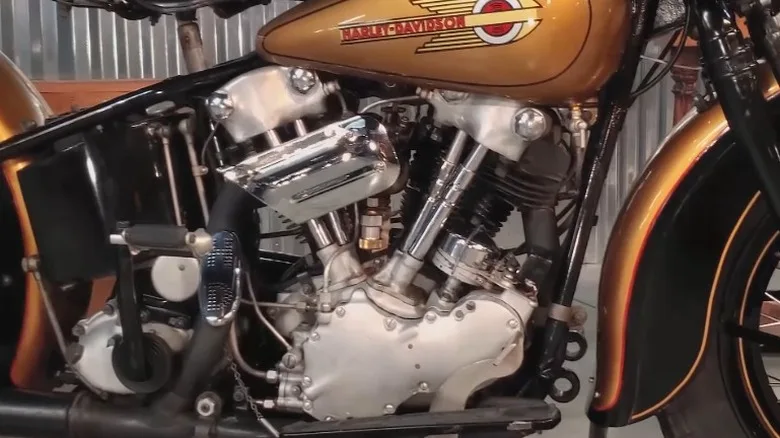
It’s a testament to a brand that has survived—and thrived—by listening to its riders and its engineers, turning challenges into defining chapters of its history.
📱 Follow our Telegram channel for daily updates
Source: Jalopnik (Auto Culture & Tuning) (jalopnik.com)