
🔔 Read us on Telegram — don’t miss the latest automotive news → t.me/motorhub_en
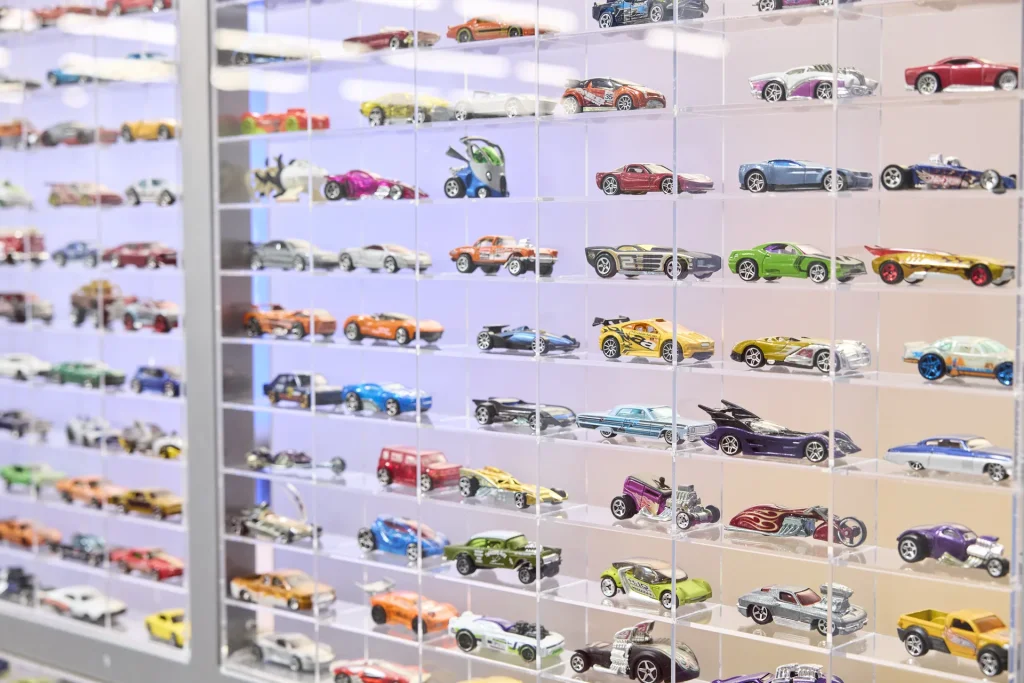
America’s coolest automotive design studio brings your favourite cars to life in 1:64 scale. Charlie Angulo, an experienced automotive designer who has worked on everything from motor show concepts to cutting-edge hypercars, is part of the small but prolific Hot Wheels team at the Mattel Design Centre, located in a low-rise building in an anonymous business park south of the airport in the sprawling suburbs of Los Angeles. Angulo loves Japanese and British cars, including his daily driver Jaguar F-Type, and has designed hundreds of cars for the brand. Alongside detailed replicas, the range includes outlandish creations like the Donut Drifter – a doughnut on wheels that kids absolutely love. By volume, Hot Wheels is the best-selling toy line in the world. Taking around £1.3 billion in sales last year, it is toy giant Mattel’s biggest brand, even ahead of Barbie. Around 200 new Hot Wheels designs are launched each year, with the firm manufacturing around 750 million cars annually – 24 cars per second, or eight times the combined annual vehicle production of the entire automotive industry. The team is led by staff including Hot Wheels senior design manager Craig Callum and graphic designer Kristina Albrecht. When deciding the line-up of models for each year, the goal is to mix real cars and fantasy models (called Originals) and body types. Market forces play a part: SUVs are a tough sell, while small cars, particularly JDM machinery, are on the rise. Hot Wheels offers different tiers of models. Mainline cars are the mass-market models sold for around £2 each. Premium lines rise to the collectable Elite 64 sold for around £20 each, and beyond that is the Red Line Club, offering high-end, limited-run models such as a recent Ferrari F40 for around £50 via a paid subscription. Each vehicle is a bespoke creation with its own production moulds with no shared platforms. Mainline vehicles feature four parts made from plastic, including a chassis, body, and two axles. Moving up the range, some vehicles feature a plastic chassis and a metal body, while high-end cars are all-metal and can feature up to 40 parts, including opening doors and bonnets. It takes around 12 to 18 months to create a new model. For real cars, designers start with a 3D digital model supplied by manufacturers, or scan a real car using the Design Centre’s capacity, or use data from video game developers. Scaling a car down to 1:64 requires adjusting wheel size and proportions rather than simply shrinking it down, focusing on key features like intakes and headlights. Complementing the sculpture are paint and graphics. For specific models like a Mk1 Ford Focus RS, graphic designer Kristina Albrecht works with manufacturer-provided colour samples like Imperial Blue, while brands like Ferrari feature three different shades of red. Metallic paints require custom mixes because standard flakes would look wrong at 1:64 scale. Mainline models feature up to three decals on each side and the bonnet, while higher-end models feature increased decals and detail.
📱 Follow our Telegram channel for daily updates
Source: Autocar UK