🔔 Read us on Telegram — don’t miss the latest automotive news → t.me/motorhub_en
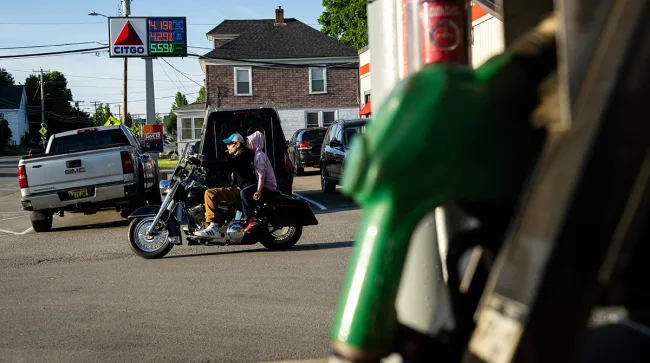
A tentative U.S.-Iran deal to reopen the Strait of Hormuz has started easing oil prices, but consumers won’t see immediate relief at the pump, grocery stores, or airports. Disruptions to oil, shipping, and fertilizer supply chains have driven up costs across fuel, food, and goods, and analysts warn these pressures could linger for months. Even after crude oil starts flowing again, the lag in supply chains means cheaper energy won’t translate to lower prices right away. Refineries typically lock in crude prices weeks or months in advance, so fuel costs will ease gradually as inventories clear. Regions with limited refining capacity, like the U.S. West Coast, will see slower price drops, while countries heavily reliant on Middle Eastern oil have already faced closures and remote work mandates. The shipping industry, hit by both the Strait closure and elevated fuel costs, expects lingering surcharges and supply delays to persist through the end of the year. Airlines, which hedge fuel months ahead and price tickets based on demand, won’t pass on lower jet fuel costs immediately—fuel surcharges outside the U.S. might be the first to ease. Grocery prices, tied to fuel costs that account for 15% to 30% of total expenses, will also take time to stabilize, with food inflation expected to continue into 2026. Experts emphasize that reopening the Strait is just the first step in a long recovery process involving multiple global players. “The bottom line is that getting back to ‘normal’ will be a lengthy process,” said Mark Barteau, a chemical engineering professor at Texas A&M University. “Getting an agreement between the U.S. and Iran to open the strait is just the beginning.”
📱 Follow our Telegram channel for daily updates
Source: Transport Topics — Michelin & Tires (EN) (ttnews.com)