🔔 Read us on Telegram — don’t miss the latest automotive news → t.me/motorhub_en
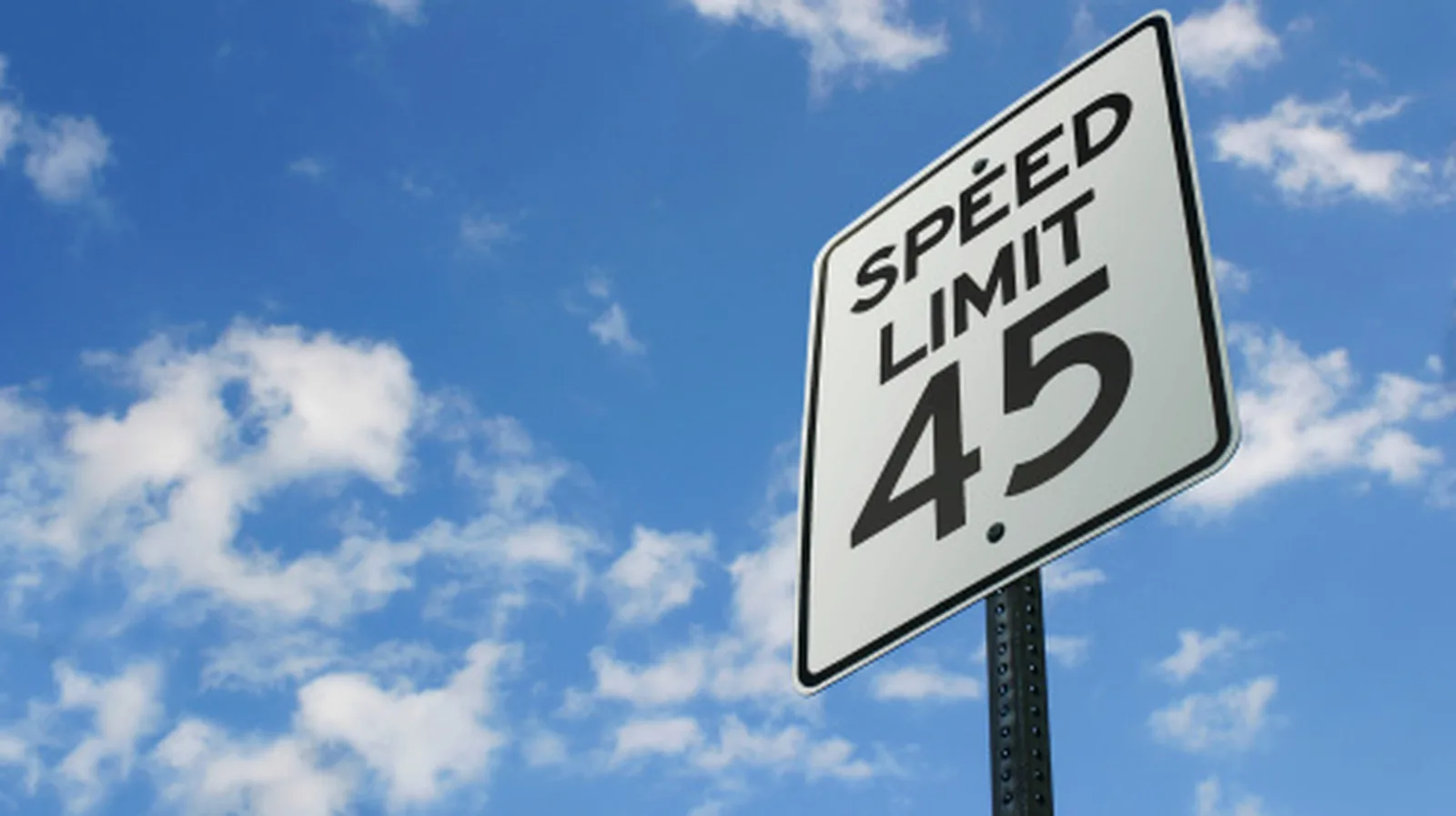
Modern cars are equipped with advanced driver assistance systems, including Traffic Sign Recognition (TSR), which reads road signs and relays the information to the driver. This system uses a windshield-mounted camera to scan the road ahead and software to process the information.
While most automakers, such as Mazda, Honda, and Toyota, use a camera-based approach to detect various road signs, GM’s TSR system only detects speed limit signs and relies on the navigation system. Other automakers, like Maserati and Nissan, use a similar approach to GM’s Speed Limit Assist, which combines camera and navigation data to detect speed limit signs.
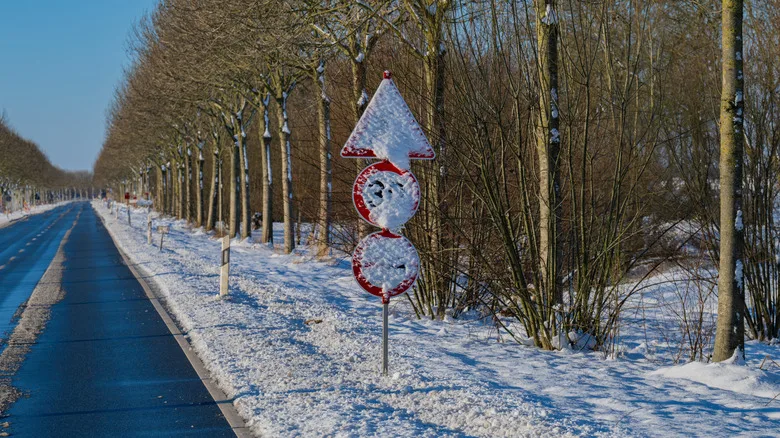
However, the effectiveness of TSR systems can be impacted by various factors, including poor weather conditions, dirty or foggy windshields, glare from sunlight or oncoming traffic, and the condition of the road signs themselves. For instance, heavy rain, snow, or a dirty windshield can obscure the camera, while bent, warped, or concealed signs may not be detected.
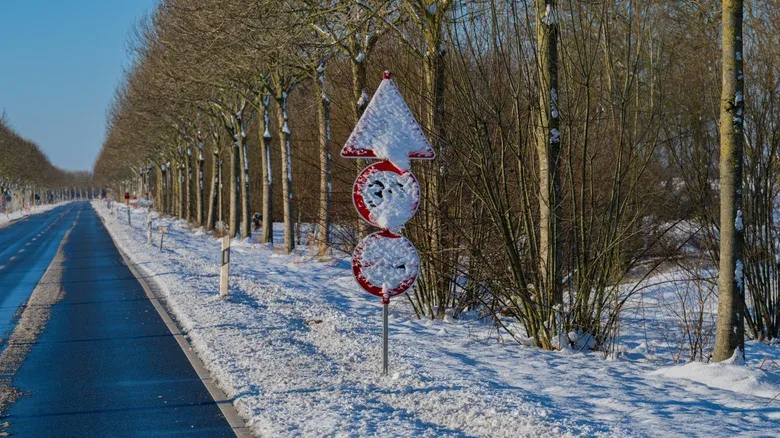
Additionally, signs that are mounted too high or low, or are faded, discolored, or covered in mud or snow, may also not be recognized. As a result, automakers stress the importance of not relying entirely on the TSR system, but rather using it as a supplementary aid to stay informed about traffic signs and avoid potential fines for speeding.
📱 Follow our Telegram channel for daily updates
Source: Jalopnik (Auto Culture & Tuning) (jalopnik.com)