
🔔 Read us on Telegram — don’t miss the latest automotive news → t.me/motorhub_en
The myth that electric vehicles (EVs) are worse for the environment due to dirty battery manufacturing ignores a critical reality: the break-even point arrives quickly. According to BloombergNEF’s 2024 analysis, the average EV in the U.S. offsets its higher upfront emissions from battery production after just 25,000 miles—roughly two years of typical driving.
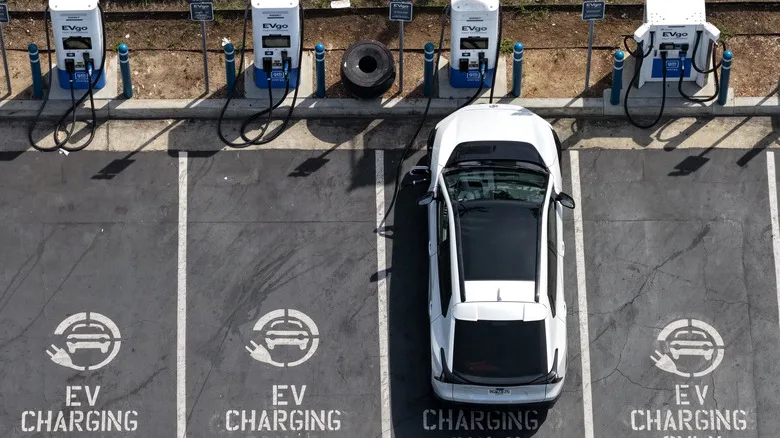
Even in states with coal-heavy power grids, the math still favors EVs, underscoring the massive pollution cost of burning gasoline. A 2022 University of Michigan study reached a similar conclusion, placing the break-even point at slightly under two years.

The gap between gas and electric narrows further when accounting for modern EV battery longevity; research shows today’s batteries typically last 15 years without major powertrain repairs. Anti-EV rhetoric often exaggerates battery replacement frequency, pointing to early-generation EVs like the first-gen Nissan Leaf as evidence.
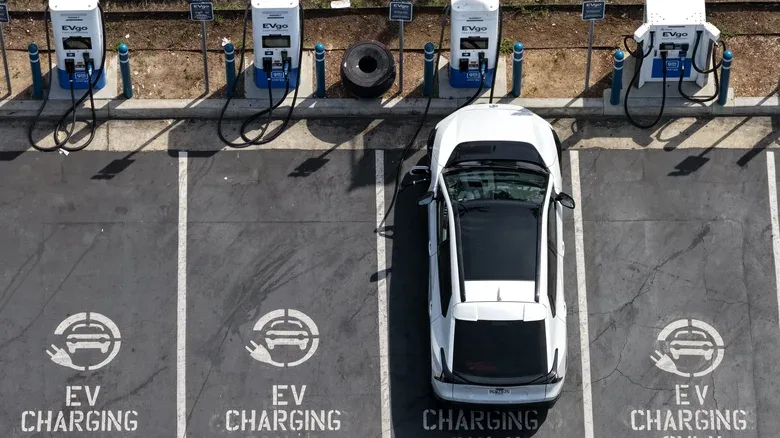
However, those outliers don’t reflect current technology. While lithium mining and battery production are undeniably resource-intensive, the environmental damage from gasoline combustion dwarfs the impact of manufacturing an EV battery.
The data is clear: for drivers prioritizing cradle-to-grave emissions, gas cars lose their supposed advantage faster than the anti-EV crowd admits.
📱 Follow our Telegram channel for daily updates
Source: Jalopnik (Auto Culture & Tuning) (jalopnik.com)