🔔 Read us on Telegram — don’t miss the latest automotive news → t.me/motorhub_en
Pontiac’s Firebird pony car lived fast and died young, but its four generations still hold a special place in muscle-car lore. We’ve ranked them strictly by verified top speeds from factory-stock, unmodified examples tested in controlled conditions—no modified monsters, no theoretical numbers, just hard data from the road and track. Here’s how they stack up, from slowest to fastest.
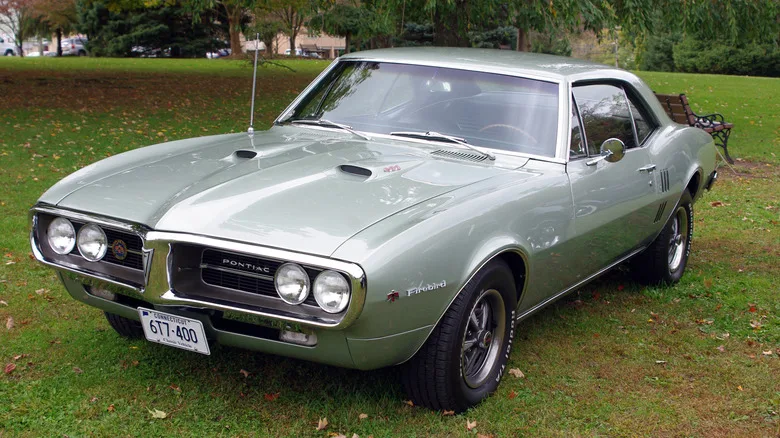
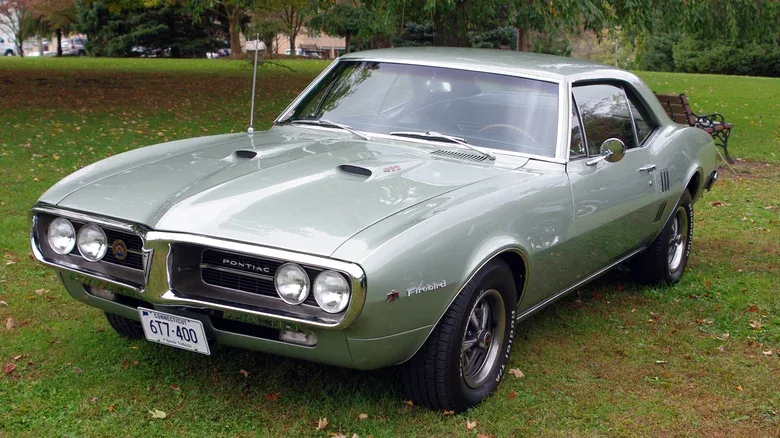
First-generation (1967–1969): 115 mph
The original Firebird’s top speed is humble but honest. Instrumented testing of a 1967 Firebird 400 with a four-speed manual clocked a verified 115 mph, despite being limited to quarter-mile runs. While later first-gen models like the 1969 Trans Am Ram Air IV packed 350 HP and 430 lb-ft from its 400-cubic-inch V8, real-world aerodynamics and tire limitations kept speeds well below the theoretical 130–140 mph estimates bandied about by enthusiasts.
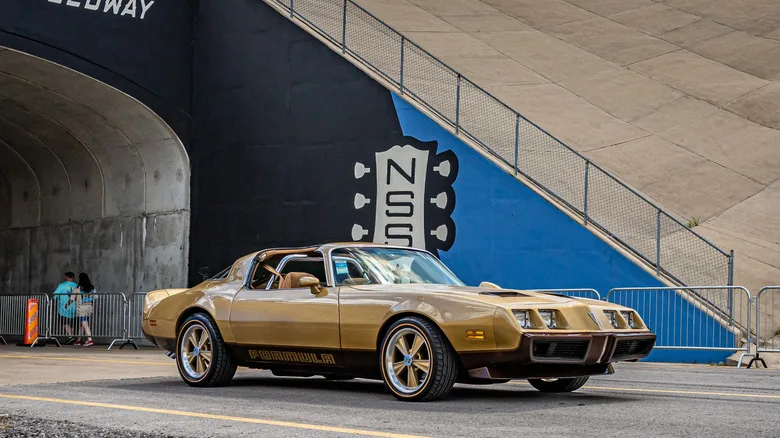
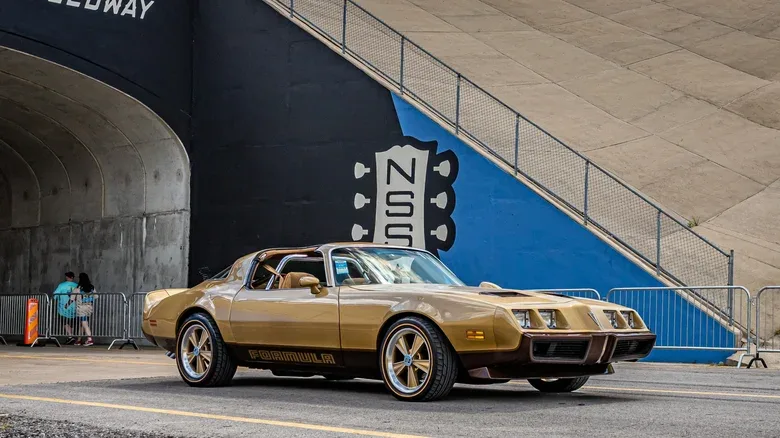
Second-generation (1970–1981): 132 mph
The second-gen Firebird brought more refinement and style, and its top speed reflected that evolution. A 1979 Firebird Trans Am equipped with the WS6 performance package and a 400-cubic-inch V8—rated at 220 HP and 320 lb-ft—hit a verified 132 mph in Car and Driver testing. The car ran a four-speed manual with a 3.23 final drive, revving to 5,400 rpm—400 rpm above redline—during the run. Back in 1979, that Trans Am stickered at $7,285, roughly $32,500 today. Hagerty values a clean 1979 Trans Am hardtop coupe with the same drivetrain at just under $26,000 in current condition.
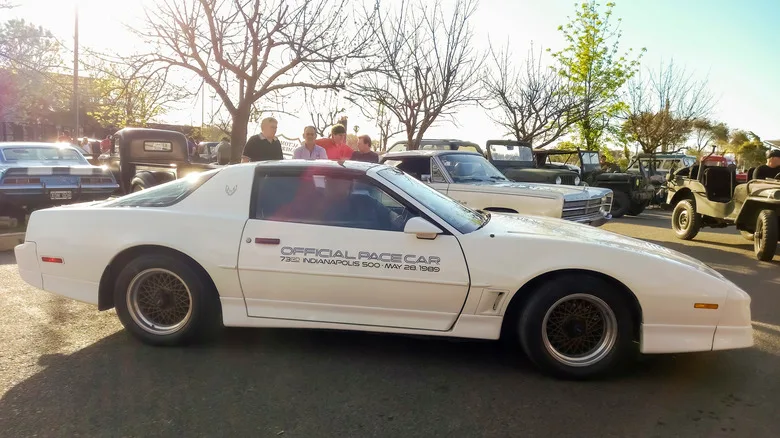
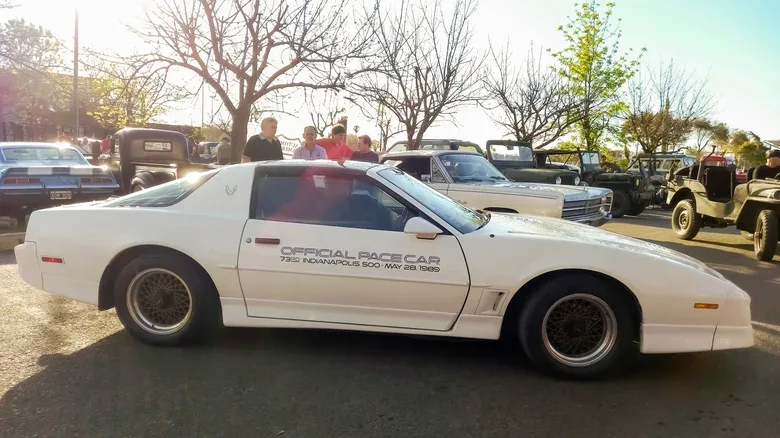
Third-generation (1982–1992): 162 mph
The third-gen Firebird stretched its legs in a big way. A 1989 Turbo Trans Am, tested by Motor Trend with radar equipment, reached a verified top speed of 162 mph—making it the fastest factory-stock Firebird ever recorded in our dataset. That’s no small feat for a turbocharged 3.8-liter V6 pushing out modest power by later standards. Meanwhile, Car and Driver’s long-term test of an SLP Firehawk—a limited-run, dealer-ordered beast with a 5.7-liter V8, 1LE suspension, and Brembo brakes—hit 158 mph after 20,000 test miles. SLP claimed 160 mph, but the magazine’s measured figure stands. Only 25 Firehawks were ever built, sold through Pontiac dealerships with factory warranties on remaining components.
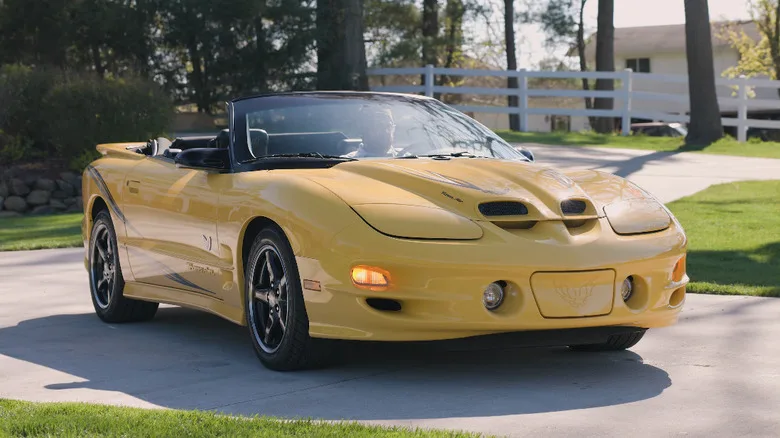
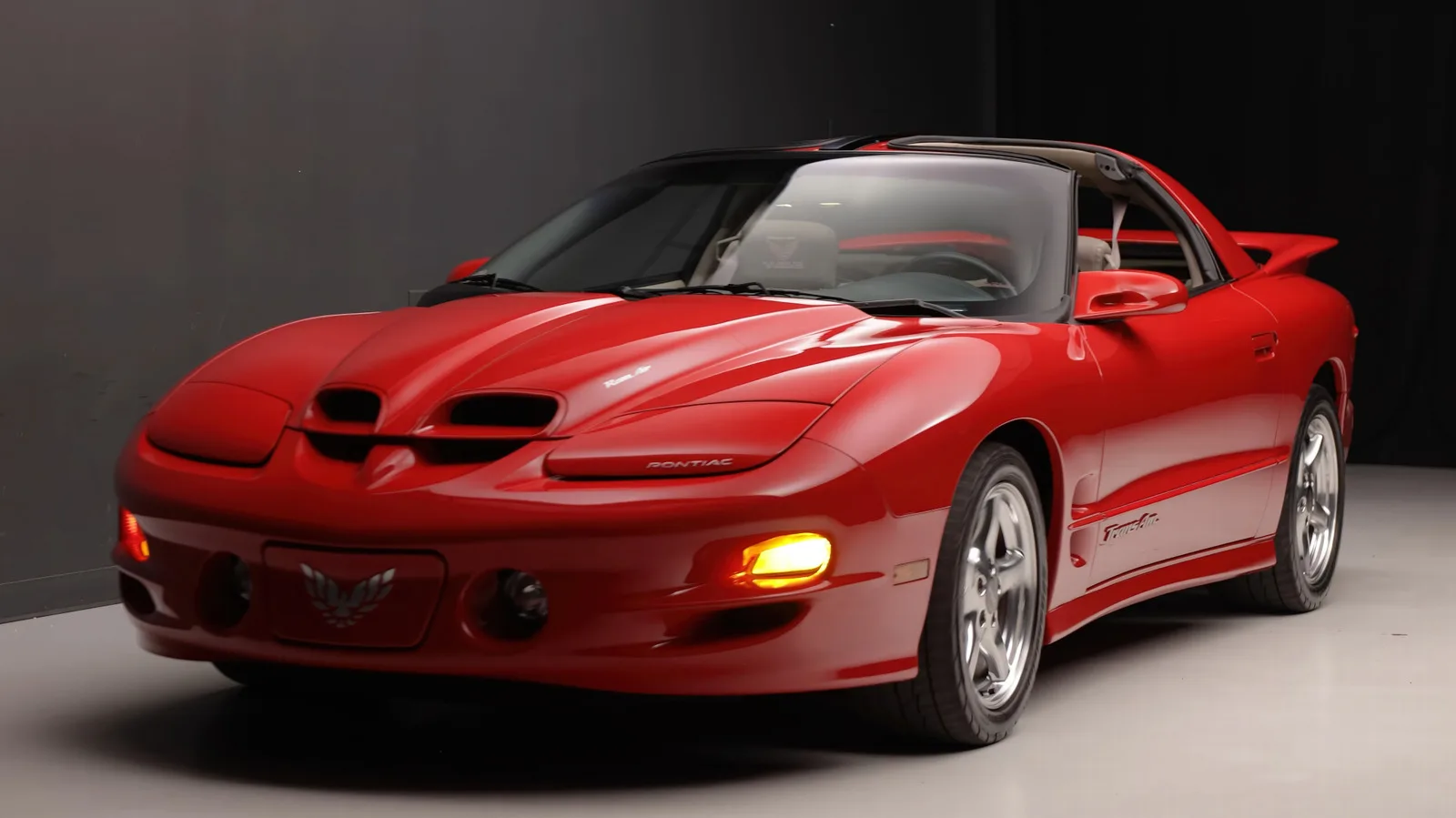
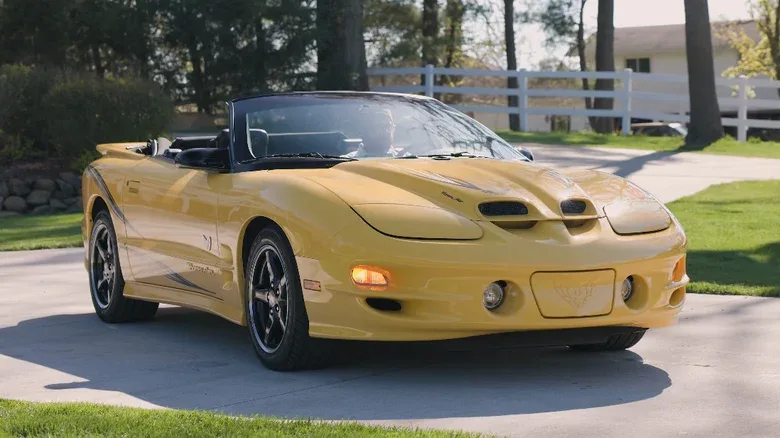
Fourth-generation (1993–2002): not specified
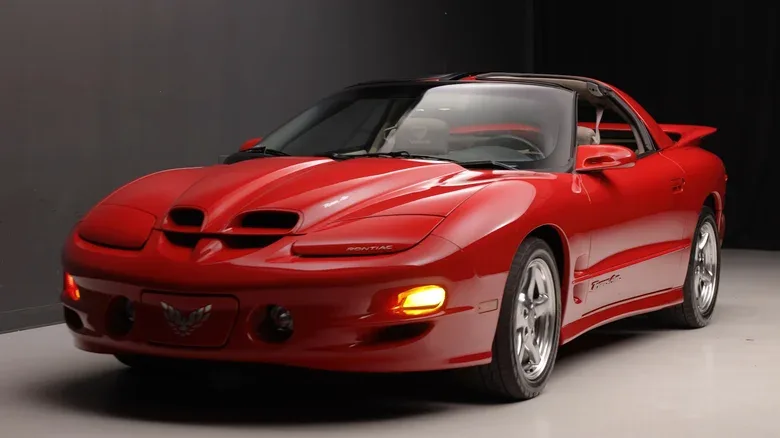
The final Firebird generation never had its top speed officially recorded in factory-stock, instrumented testing during our research. While later models like the WS6 and Formula variants packed serious firepower—including LS1 V8s with 305–320 HP—the lack of verified top-speed data leaves this generation’s peak unranked. Pontiac’s fourth-gen F-body bowed out in 2002, taking the Firebird name with it.
Why these numbers matter
This isn’t just a nostalgia trip—it’s a reminder of what factory-stock performance looked like before the age of hyper-tuned special editions. Every figure here comes from real-world testing, not marketing claims or modified builds. And while the Firebird may be gone, its legacy lives on in the Camaro’s continued evolution—including whispers of a new supercharged V8 for the upcoming seventh-gen model.
📱 Follow our Telegram channel for daily updates
Source: Jalopnik (Auto Culture & Tuning) (jalopnik.com)