🔔 Read us on Telegram — don’t miss the latest automotive news → t.me/motorhub_en
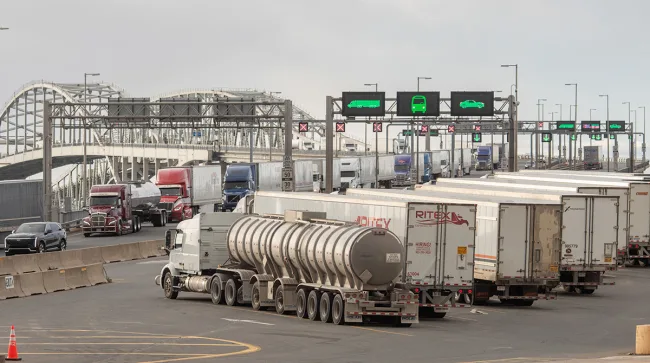
The United States and Canada are locked in final negotiations to avert a looming 50% tariff on $20 billion worth of Canadian goods, with the deadline set for 12:01 a.m. on August 19, 2026. The dispute threatens one of the world’s most critical trade relationships, with 72% of Canada’s exports flowing to the U.S. and both sides scrambling for concessions. Canadian Prime Minister Mark Carney confirmed intense, closed-door talks, emphasizing the delicate nature of the negotiations. “The negotiations are very intense and delicate. This is not the time to talk about negotiations in public,” Carney told reporters in French on August 17. The potential tariffs, targeting products ranging from hockey sticks to medical supplies like tongue depressors, would be imposed under Section 338 of the 1930 Tariff Act—a rarely used provision that allows the president to levy up to 50% tariffs on imports from countries deemed to have discriminated against U.S. businesses. Unlike more common trade tools like Section 301, Section 338 requires no prior investigation and imposes no time limit on the tariffs. President Donald Trump has framed the move as retaliation for alleged Canadian discrimination against U.S. auto, alcohol, and dairy exports, though critics argue the tariffs risk inflating consumer prices ahead of November’s midterm elections. The escalating tensions mark a stark shift from the traditionally cooperative U.S.-Canada relationship, which has endured despite long-standing disputes over softwood lumber, dairy market access, and other trade irritants. The two nations share the world’s longest undefended border, with nearly 330,000 people and $2 billion in goods crossing daily. Over 800,000 Canadians live in the U.S., and the countries have fought side-by-side in conflicts like the Afghanistan War. Public frustration in Canada has surged, with a petition demanding the expulsion of U.S. Ambassador Pete Hoekstra—accused of normalizing Trump’s rhetoric about annexing Canada—garnering nearly 218,000 signatures since July 21. Trump’s broader tariff agenda, including 10% to 12.5% levies on 59 countries and the EU over forced labor concerns, has drawn legal challenges, including a Supreme Court ruling in February that struck down earlier tariffs and ordered refunds to importers. Analysts suggest both sides are motivated to avoid the new tariffs, with the U.S. seeking concessions like increased purchases of American military equipment (including F-35 fighters), participation in Trump’s “Golden Dome” missile defense system, and greater access to Canadian critical minerals to reduce reliance on China. Canada, meanwhile, is pushing for relief from U.S. tariffs on steel, aluminum, and softwood lumber, which Washington argues benefits from unfair subsidies. The standoff underscores the fragility of North American trade ties, even as both countries navigate a complex geopolitical landscape.
📱 Follow our Telegram channel for daily updates
Source: Transport Topics — Michelin & Tires (EN) (ttnews.com)