🔔 Read us on Telegram — don’t miss the latest automotive news → t.me/motorhub_en
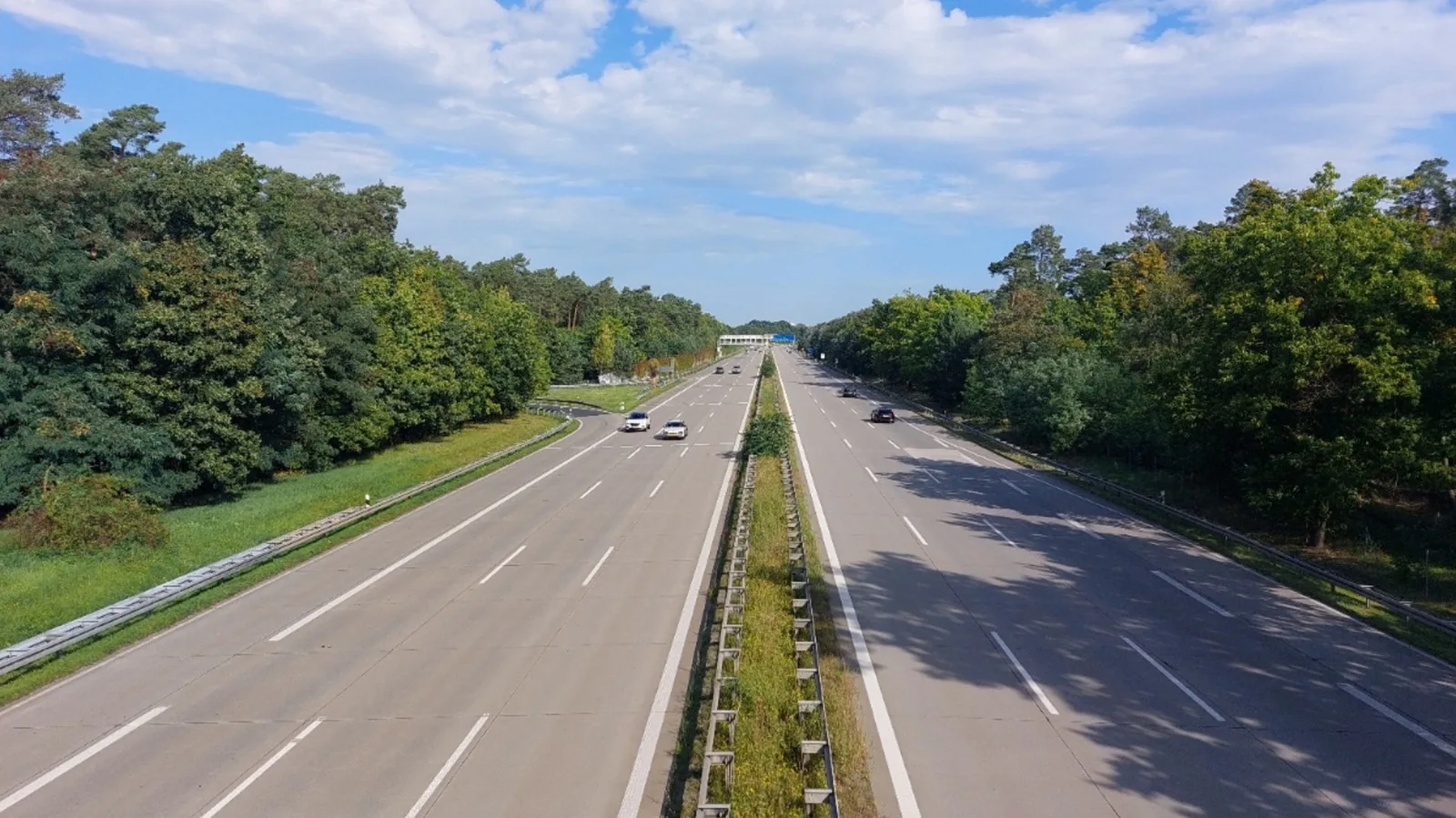
The Autobahn is the ultimate driving fantasy for gearheads—a network of pristine highways where some sections allow unrestricted speeds. But it’s not a lawless playground. Germany’s Autobahn operates under a strict, highly disciplined system enforced by rigorously trained drivers and precise regulations. Renting a turbocharged BMW 3-Series and flooring it isn’t just reckless; it’s a fast track to hefty fines, road rage from locals, or worse. Here are five critical rules every driver must follow before hitting the Autobahn.
**1. No speed limit isn’t a free-for-all**
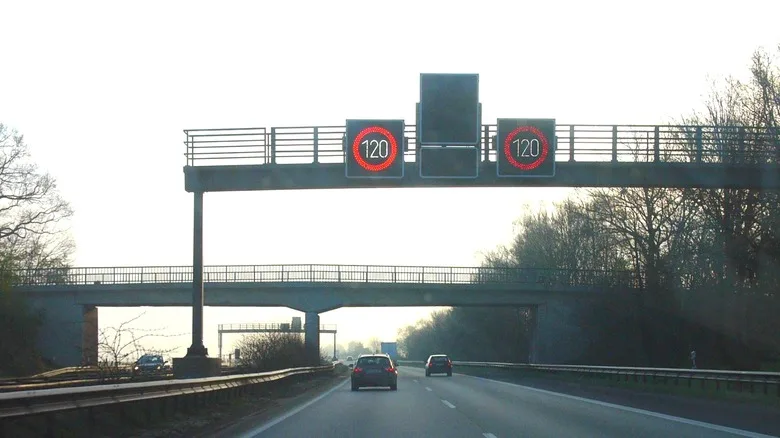
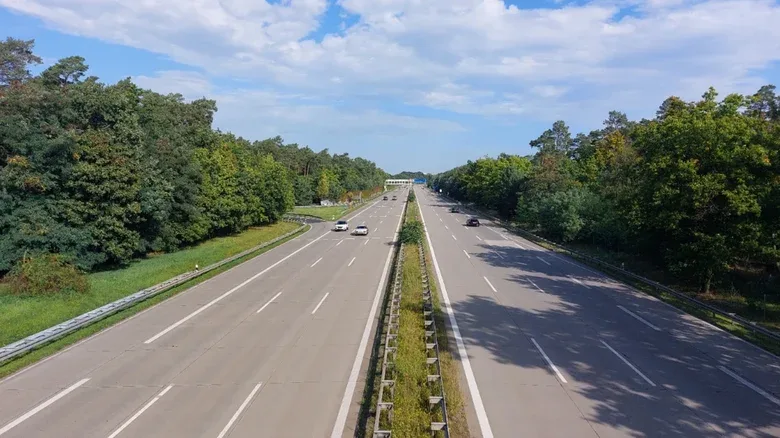
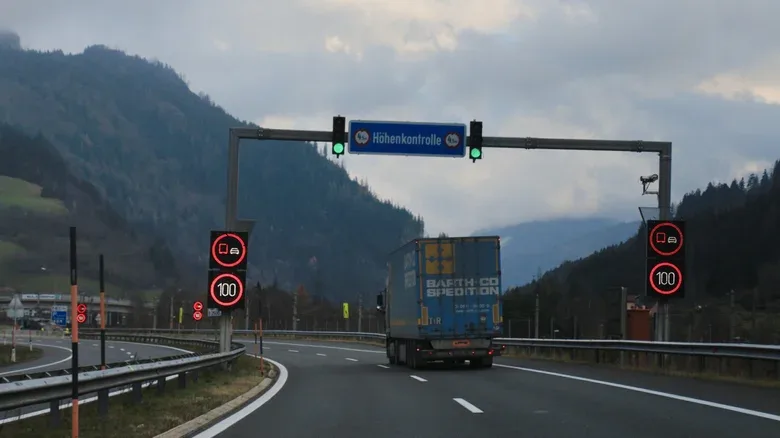
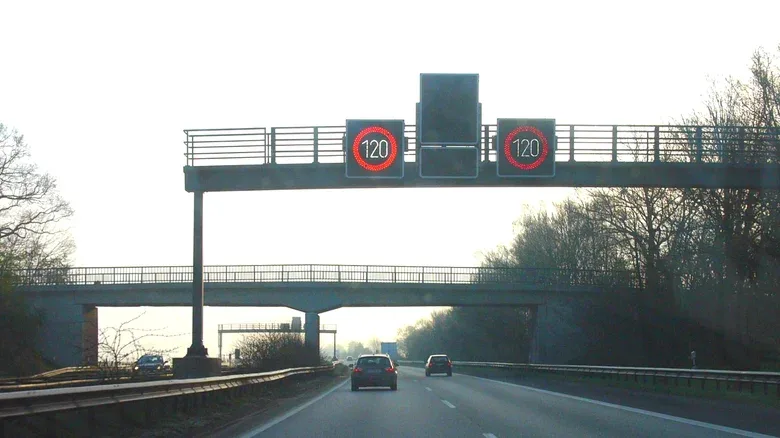
The myth of unlimited speed on the Autobahn is just that—a myth. Roughly half of the Autobahn’s network enforces strict speed limits due to urban congestion, accident-prone zones, or structural issues. Dynamic digital gantries overhead can instantly adjust limits in response to traffic, weather, or construction. To spot unrestricted zones, look for a white circular sign with five diagonal black lines—this marks the end of all restrictions. Beyond this point, the advisory speed is 81 mph, but you’re legally free to test your car’s limits. However, the moment you encounter a numerical speed limit sign, you must slow down immediately. Hidden speed cameras, radar traps, and undercover police vehicles lurk everywhere, and German law enforcement shows no mercy to tourists who claim ignorance.
**2. The left lane is for passing only**
Lane discipline on the Autobahn isn’t just etiquette—it’s the law. Known as *Rechtsfahrgebot*, this rule mandates driving in the rightmost lane at all times. The left lane is strictly for overtaking slower vehicles, and once you’ve passed them, you must return to the right. Undertaking—passing on the right—is illegal and carries severe penalties. If you’re cruising in the passing lane and a fast-approaching driver flashes their high beams or honks, they’re not being rude—they’re warning you that you’re breaking the law and creating a dangerous situation. Move over immediately.
**3. Running out of gas is a criminal offense**
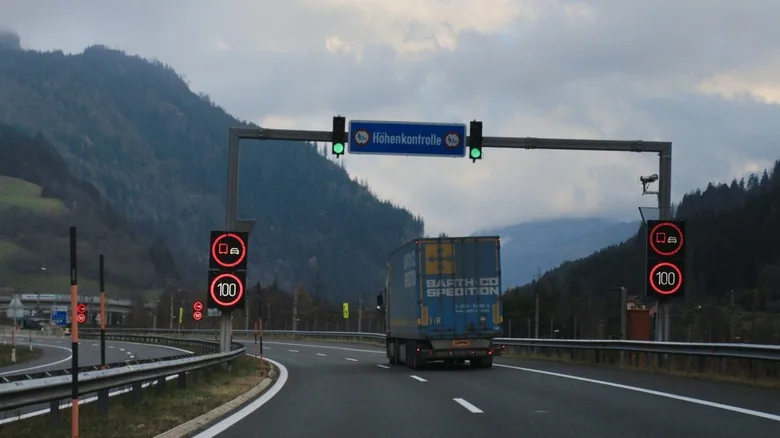
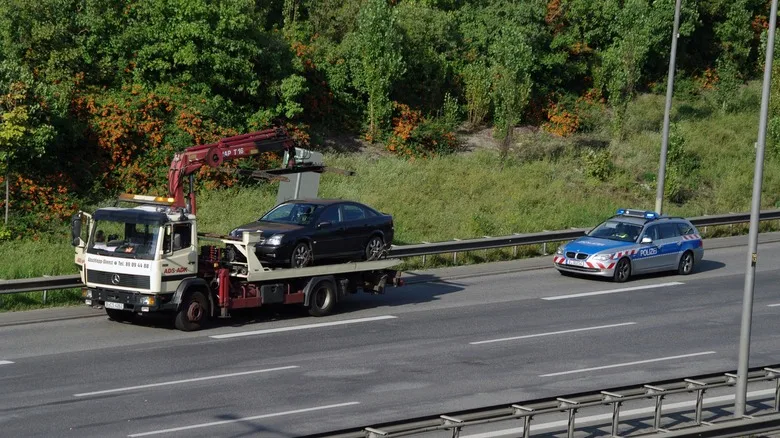
Picture this: you’re cruising at 145 mph on an unrestricted stretch, the engine guzzling premium fuel, when the low fuel warning light flashes. You assume you can make it to the next rest stop, but you don’t. The engine dies, and you coast onto the narrow shoulder. In the U.S., this scenario might earn you an AAA call. In Germany, it makes you a criminal in the eyes of the *Autobahnpolizei*. German law forbids stopping on the Autobahn unless it’s an unavoidable emergency like a mechanical failure or a multi-car pileup. Running out of fuel is considered human negligence because monitoring fuel levels is entirely within your control. Stopping on the shoulder of a highway where cars are legally traveling at nearly 200 mph introduces a deadly hazard. Expect steep fines, potential points on your international driving record, and a stern lecture from officers.
**4. Master the Rettungsgasse**
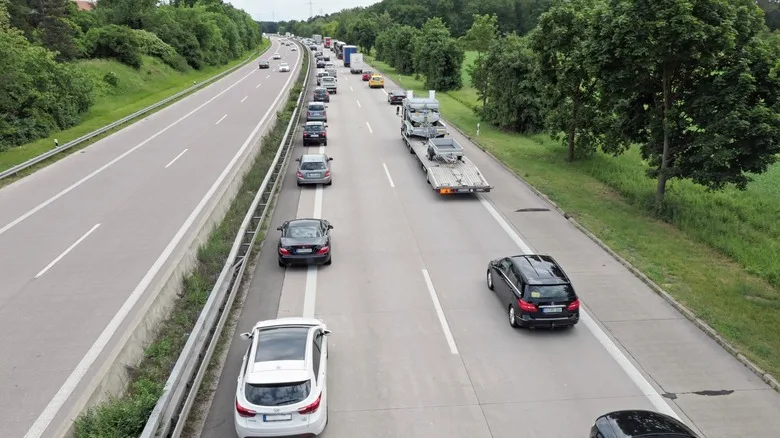
Traffic jams on the Autobahn are inevitable, especially during peak holiday seasons or when a truck jackknifes ahead. When gridlock strikes, the highway transforms into a high-stakes obstacle course. The key to survival? The *Rettungsgasse*—an emergency lane formed by drivers. When traffic slows to a crawl, vehicles in the left lane move left, and those in the right lane move right, creating a clear path down the middle. This lane is reserved for emergency vehicles like ambulances, fire trucks, and police cars. Blocking the *Rettungsgasse* isn’t just rude—it’s illegal and can result in fines. If you’re stuck in a jam, form the *Rettungsgasse* immediately to allow emergency services to bypass the congestion.
**5. Headlights are mandatory, even during the day**
Daytime running lights are not optional on the Autobahn. German law requires all vehicles to use low-beam headlights during daylight hours, rain or shine. This rule enhances visibility for all drivers, especially in poor weather conditions or tunnels. Failure to comply can result in fines, as the law prioritizes safety over convenience. Always turn on your headlights before merging onto the Autobahn, even if the sun is shining.

The Autobahn is a marvel of engineering, but it demands respect. Ignorance of the rules isn’t an excuse—German drivers are unforgiving of tourists who treat the highway like a racetrack. Brush up on these five rules, rent responsibly, and enjoy the ride within the bounds of the law.

📱 Follow our Telegram channel for daily updates
Source: Jalopnik (Auto Culture & Tuning) (jalopnik.com)