🔔 Read us on Telegram — don’t miss the latest automotive news → t.me/motorhub_en
Tie rods are the unsung heroes of your car’s steering system, translating your wheel turns into precise front-wheel movement. But these thin, high-strength steel or cast-iron components—each made of an inner and outer section connected by ball joints—aren’t invincible.
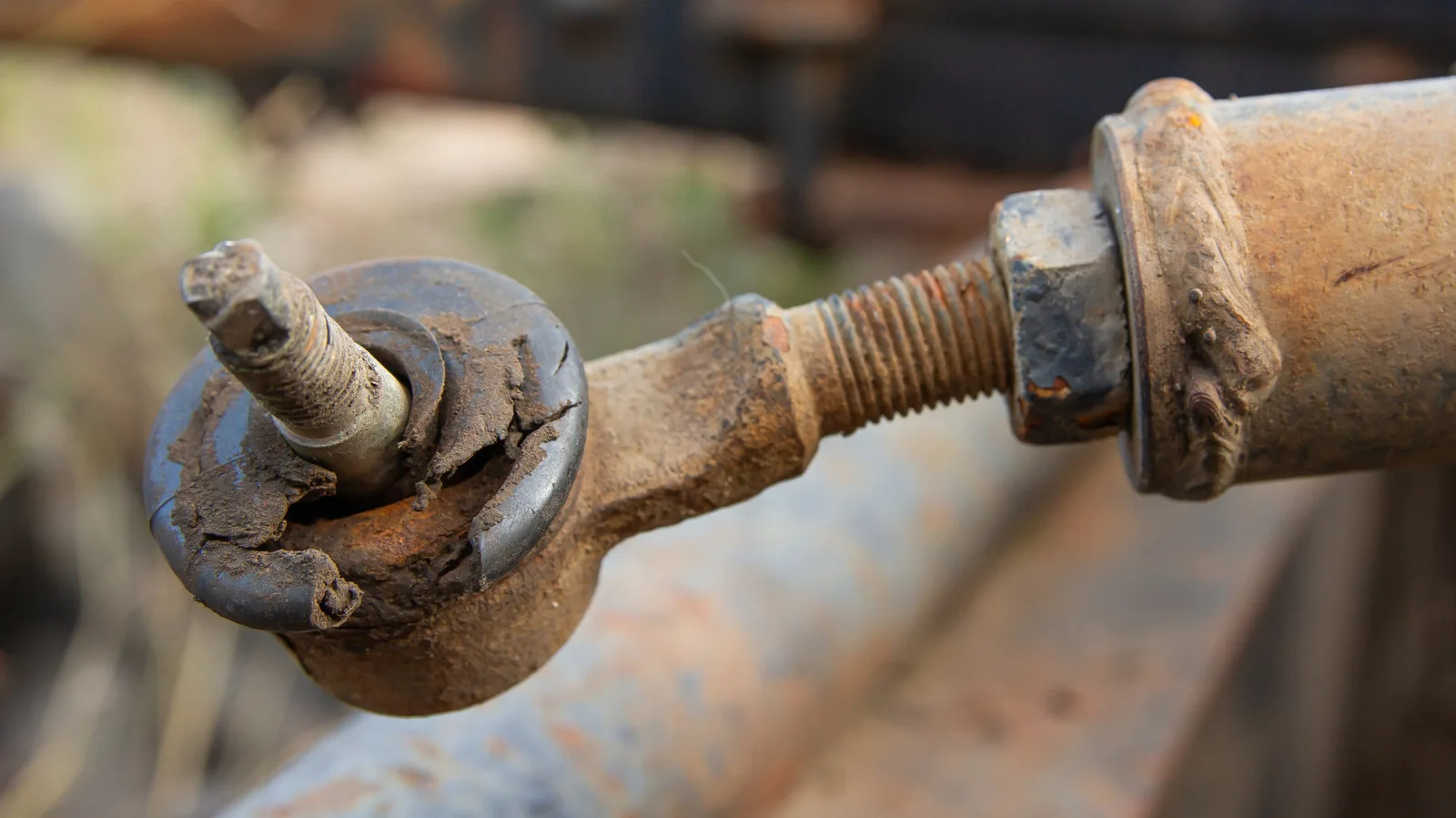
Their lifespan typically ranges from 50,000 to 100,000 miles, but aggressive driving, potholes, and poor road conditions can cut that short. The inner tie rod links to the steering rack or recirculating ball system via an inline ball joint, while the outer tie rod connects to the inner rod on one end and the steering knuckle on the other, ending in a ball joint packed with bearings and high-temp grease, all sealed by a rubber boot.

This setup allows the wheels to move with the suspension while keeping steering control intact—but it’s also where things can go wrong. When potholes or curbs jolt the tie rods, the ball joints are often the first to fail.
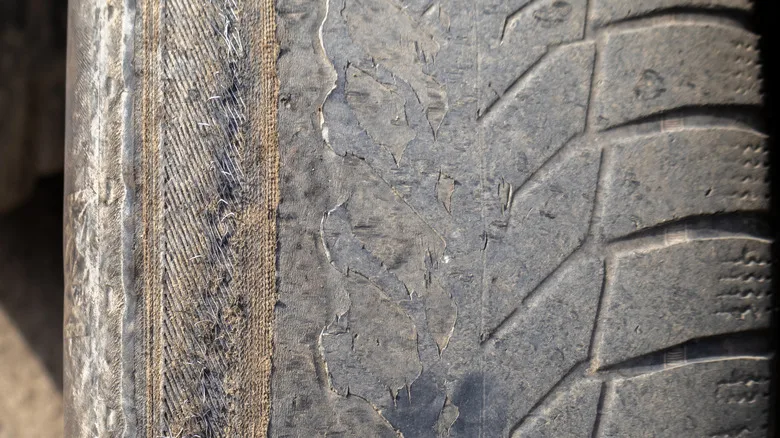
The real killer, though, is the rubber boot. Cracks or splits let dirt and moisture seep in, contaminating the bearings and increasing friction. That’s when the three classic signs of failing tie rods start to appear. First up: steering issues.
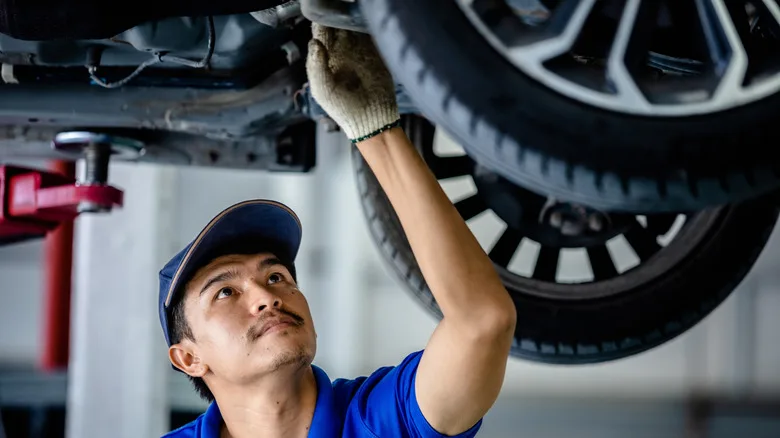
As wear sets in, tie rods lose stiffness, allowing excessive side-to-side movement at the wheels. The result?
A steering wheel that feels loose, disconnected, or shaky—especially when accelerating or driving on rough pavement. If the shakes are paired with a wandering steering feel or a pull to one side, tie rod failure is likely.
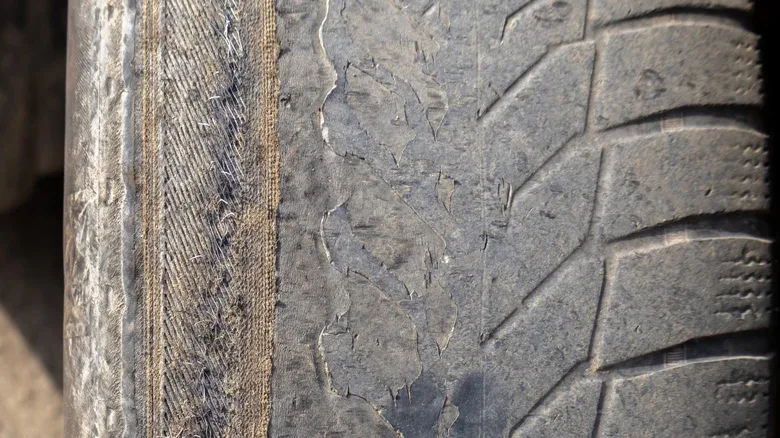
Next, watch for uneven tire wear. Loose ball joints throw wheel alignment off, causing front tires to wear unevenly, often with cupping or feathering patterns.
Overheated or underinflated tires can mimic these symptoms, but if the tread is wearing faster on the inner or outer edges, tie rods are a prime suspect. Finally, listen for knocking, clunking, or grinding noises from the front end—especially when turning the wheel at low speeds or maneuvering in tight spaces.
Contaminated ball joint bearings often produce grinding sounds, while general wear can trigger clunks over bumps. These noises can overlap with symptoms of bad shocks, struts, control arms, or CV joints, so a visual inspection is the only way to confirm.
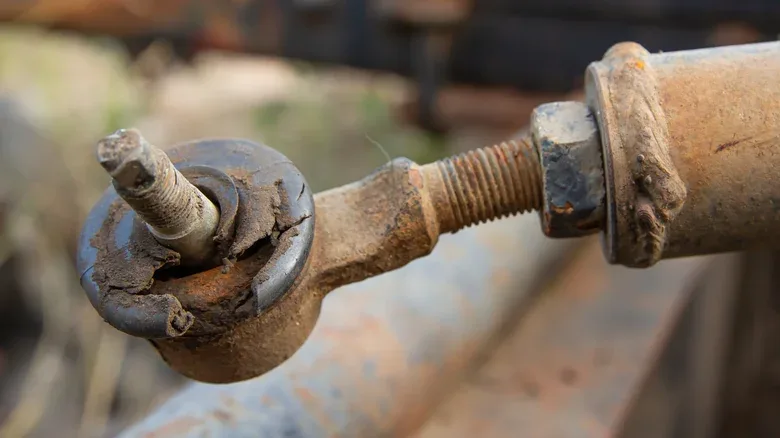
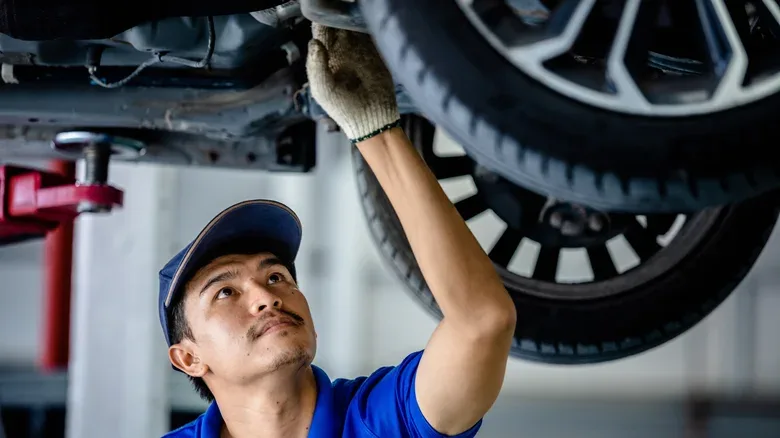
To check, visit a mechanic or—if you’re hands-on—jack up the front end, wiggle the wheels for play, or remove the tie rods to inspect the boots and ball joints. Replacing tie rods isn’t a budget-buster, but costs vary by make and model.

Expect to pay between $100 and $400 for parts, with labor adding up to $100 or more. Pro tip: replace tie rods in pairs, especially if one side is already worn.
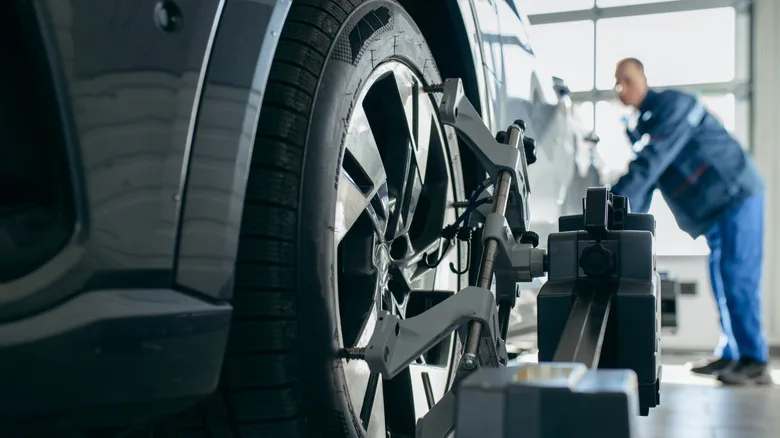
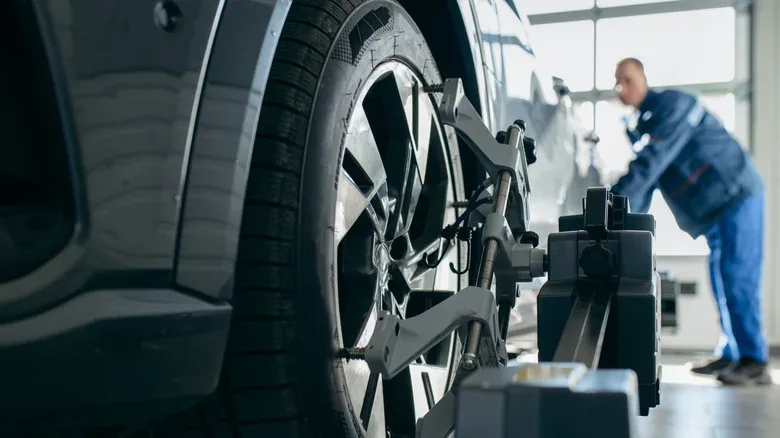
High-mileage cars, performance vehicles, or cars with inner tie rod wear should get both inner and outer rods swapped at once. And don’t skip the alignment afterward—outer tie rods directly affect toe-in and toe-out settings, and misalignment will ruin tires and handling fast.
📱 Follow our Telegram channel for daily updates
Source: Jalopnik (Auto Culture & Tuning) (jalopnik.com)