🔔 Read us on Telegram — don’t miss the latest automotive news → t.me/motorhub_en
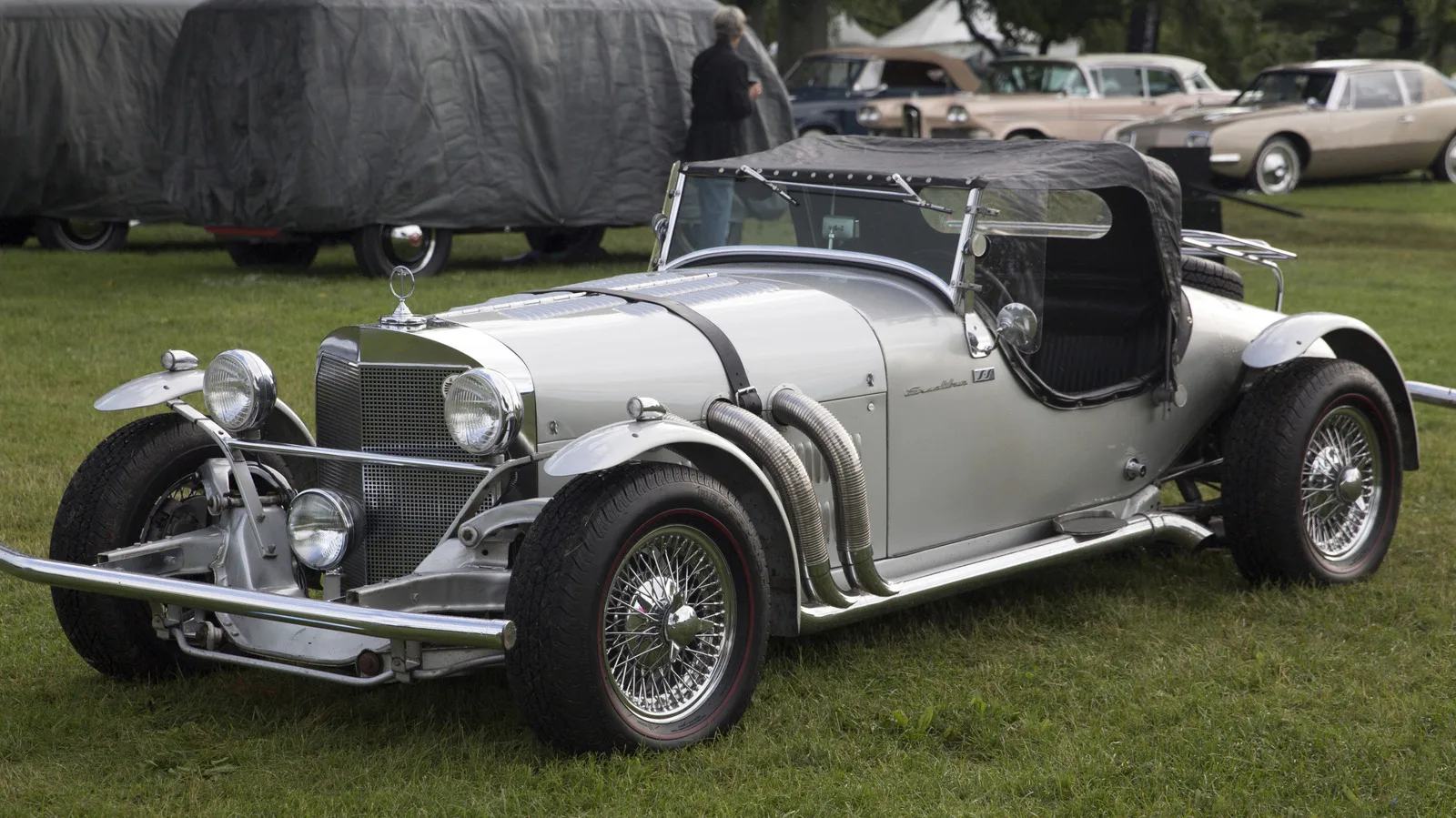
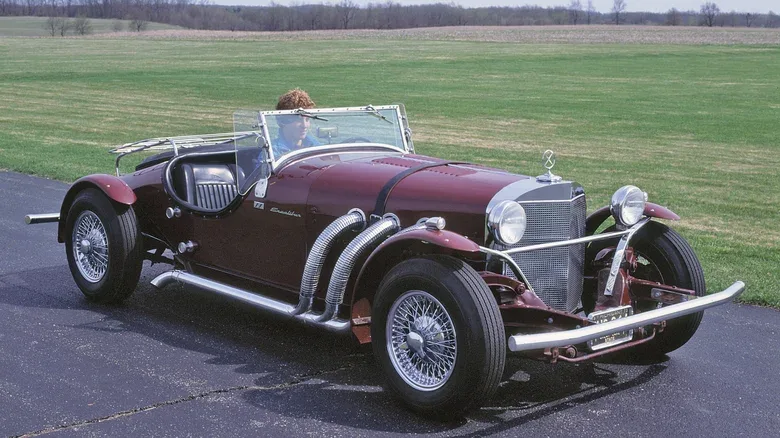
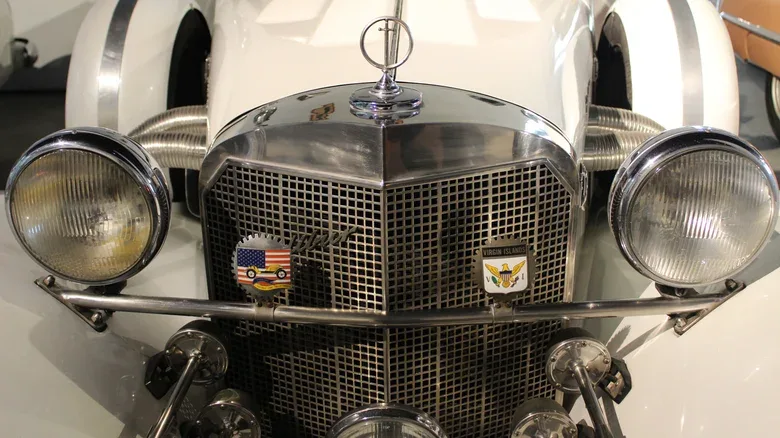
In 1964, industrial design legend Brooks Stevens turned heads at the New York Auto Show with a radical concept: a Studebaker Lark-based roadster styled after the 1928 Mercedes-Benz SSK. The car’s proportions were stretched and widened to fit the Lark chassis, creating a neo-classical beast that immediately drew a dozen orders. But Studebaker’s financial collapse killed the project before production could begin.
Stevens, undeterred, pivoted to building the car himself. Alongside his sons William and David, he founded SS Automobiles in Milwaukee, Wisconsin, sourcing leftover Lark chassis and enlisting Chevrolet’s Bunkie Knudsen and Ed Cole for Corvette 327 V8 engines. The result was the Excalibur Series I Roadster—a hand-built, fiberglass-bodied supercar that weighed just over 2,000 pounds and packed up to 335 horsepower from a supercharged Studebaker V8 (rumored to exceed 400 HP).
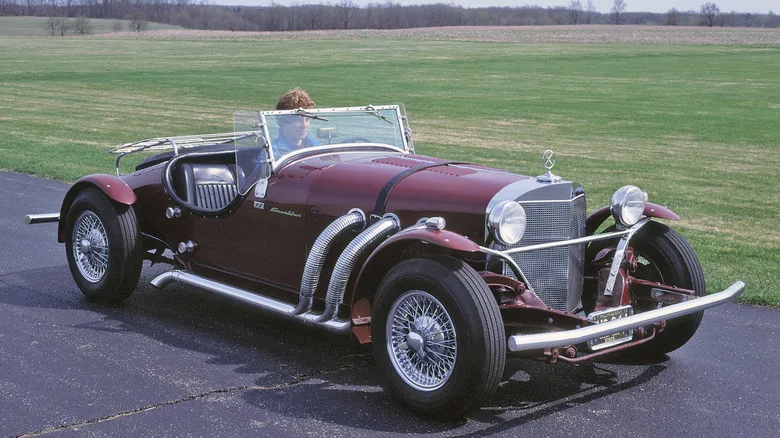
The car’s raw, visceral driving experience was a revelation. With a claimed 0-60 mph time of 5 seconds, it outpaced contemporary Corvettes and Cobras, delivering a visceral, wind-in-your-hair thrill ride. Its design was pure theater: no doors, no side curtains, cycle-style fenders, and a step-over cockpit that screamed vintage Mercedes SSK.
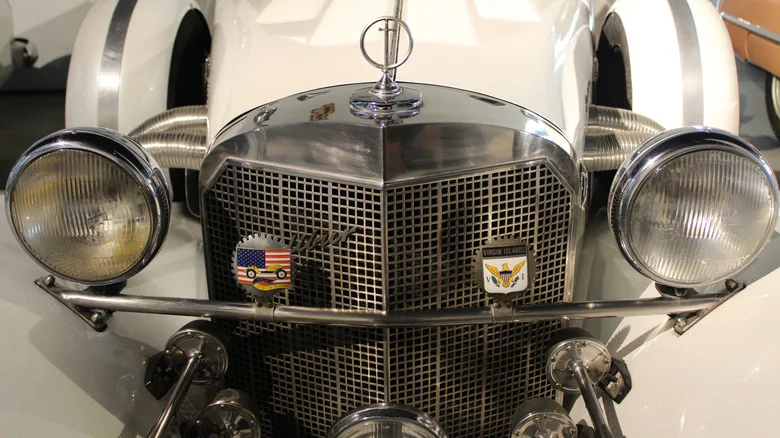
Pricing started at $8,600 for the supercharged model in 1965, undercutting Carroll Shelby’s 427 Cobra by $1,100. Yet for all its charm, the Excalibur was never aero-efficient. Top speed hovered around 130 mph—far below the Cobra’s 160 mph.
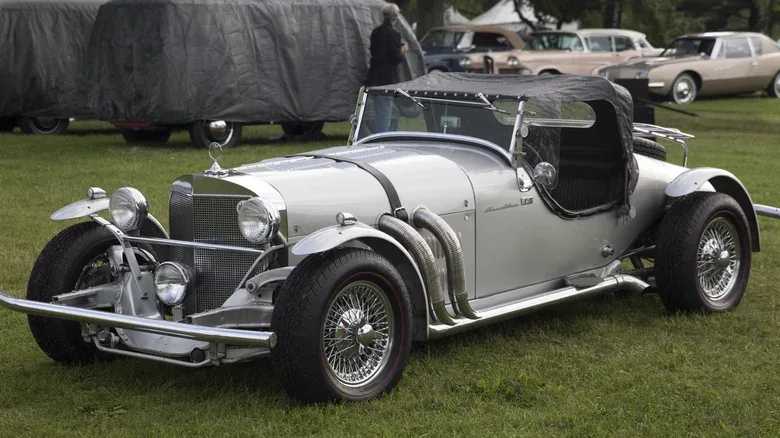
Stevens himself had proven the potential of his design philosophy with the Studebaker Avanti, which set 29 speed records at Bonneville in 1962, hitting 168 mph. As Studebaker chassis supplies dried up, SS Automobiles pivoted to a bespoke ladder frame, swapping the 327 V8 for the 350 small block (300 HP) and later the 454 big block (215 HP by the mid-1970s). The car’s weight ballooned, especially with the introduction of the four-seat Phaeton model in 1975, which nearly doubled the curb weight of the original Roadster.
Federalized taillights and turn signals from the Volkswagen Beetle further diluted the Excalibur’s classic aesthetic. The Series III, introduced in 1975, became a sales success, with over 1,100 units sold by 1979, but it was a far cry from the supercar of a decade earlier. The Series IV, launched in 1980, stretched the car further, stuffed in a 155 HP 305 V8, and tipped the scales at over 4,000 pounds.
Pricing soared to $50,000, pricing out enthusiasts. By 1986, SS Automobiles filed for bankruptcy. Three revival attempts in the 1990s failed to restore the Excalibur’s former glory.
What began as a bold American supercar ended as a cautionary tale of ambition, adaptation, and the harsh realities of the automotive market. Yet for those who experienced the Series I Roadster, its legacy endures as a raw, unfiltered celebration of American ingenuity and design.
📱 Follow our Telegram channel for daily updates
Source: Jalopnik (Auto Culture & Tuning) (jalopnik.com)