🔔 Read us on Telegram — don’t miss the latest automotive news → t.me/motorhub_en
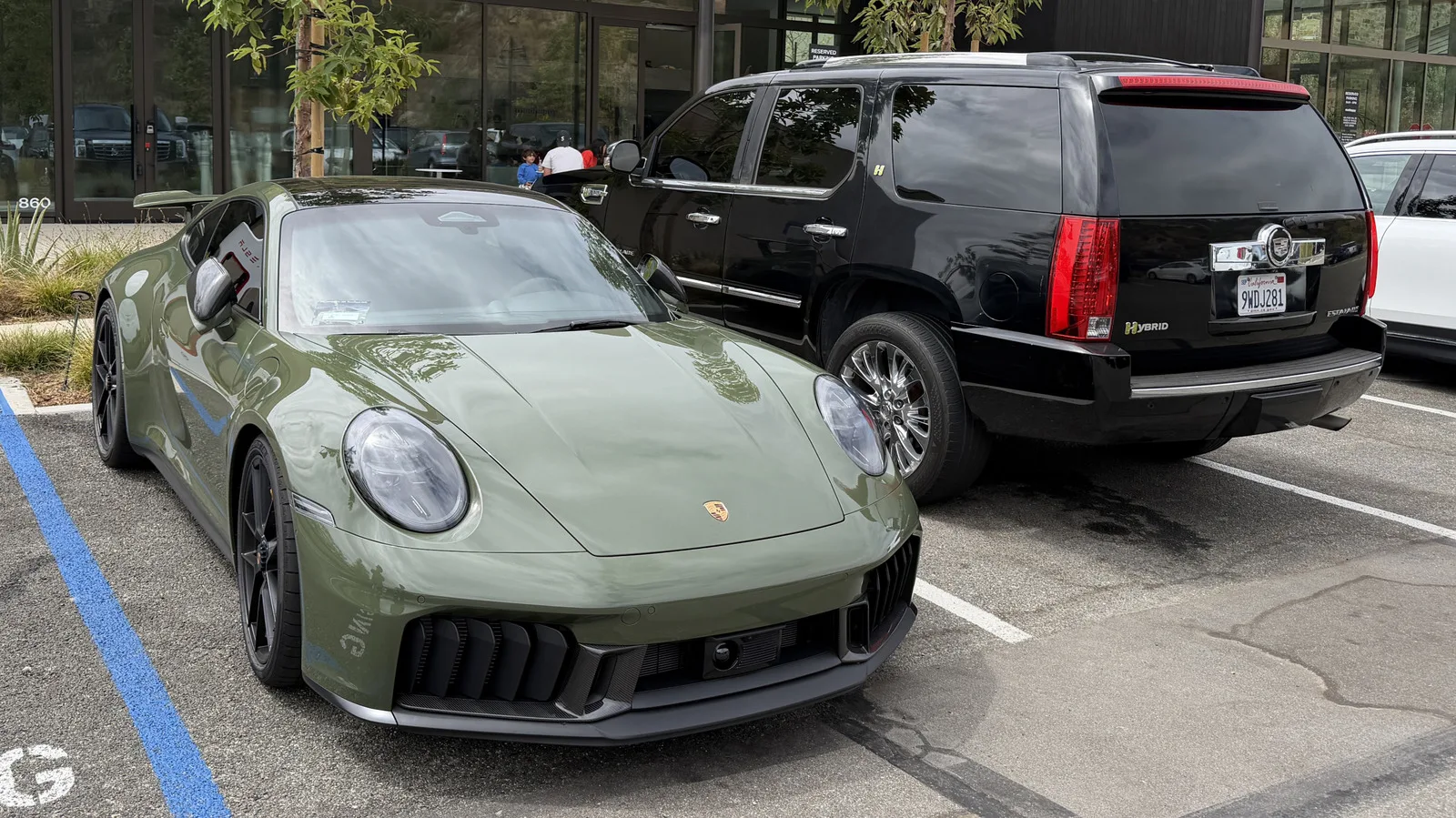
Two wildly different hybrids—one a forgotten Cadillac from 2009, the other a cutting-edge Porsche for 2026—share a surprising trait: nearly identical EPA fuel economy ratings. Yet their performance figures couldn’t be more opposite. The 2009 Cadillac Escalade Hybrid, a relic of GM’s early hybrid experiment, paired a 332-HP 6.0-liter V8 with two 80-HP electric motors and a nickel-metal hydride battery pack.
Despite its hybrid badge, it was a sluggish performer, hitting 60 mph in 8.4 seconds—two full seconds slower than a standard 403-HP Escalade with four-wheel drive. The EPA rated it at 20 MPG combined (20 city / 21 highway), a modest improvement over the non-hybrid version. Fast forward to the 2026 Porsche 911 Carrera GTS, where hybrid tech is all about speed, not efficiency.
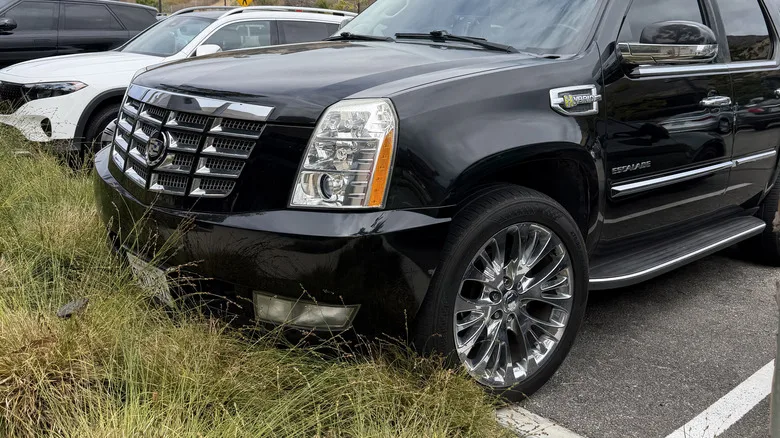
Its 3.6-liter single-turbo engine cranks out 478 HP, while an electric motor integrated into the transmission and another inside the turbo add 54 HP. The total system output is 532 HP, sending the rear-drive coupe to 60 mph in just 2.5 seconds in Car and Driver’s testing (Porsche claims 2.9 seconds). The EPA rates it at 20 MPG combined (17 city / 24 highway), a figure that’s nearly identical to the Escalade’s but nearly impossible to achieve in real-world driving.
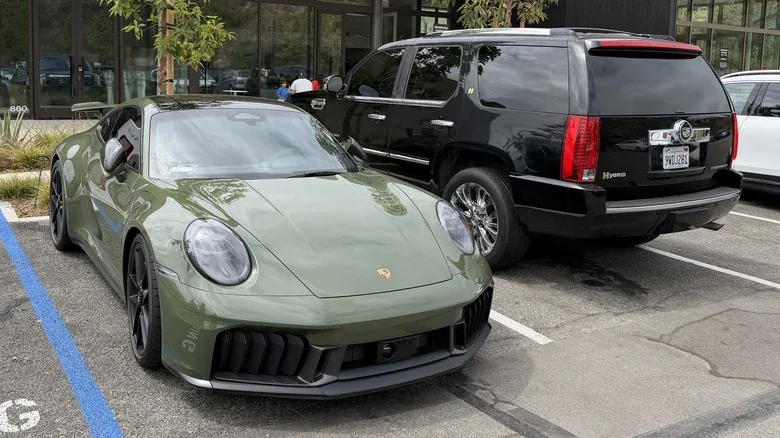
The Escalade Hybrid, with its rear-wheel-drive layout and CVT with four fixed ratios, was a niche product—Cadillac never disclosed exact sales numbers, but it’s safe to say production was minimal. The 911 GTS, meanwhile, starts at more than double the Escalade’s price, reflecting its performance-focused hybrid system. Despite their differences in mission, age, and tech, both hybrids share one quirk: they’re about as efficient as each other, a coincidence that highlights how hybrid systems can serve wildly different purposes.
📱 Follow our Telegram channel for daily updates
Source: Jalopnik (Auto Culture & Tuning) (jalopnik.com)