
🔔 Read us on Telegram — don’t miss the latest automotive news → t.me/motorhub_en
The U.S. National Highway Traffic Safety Administration (NHTSA) has proposed a rule that would remove the brake pedal and emergency brake lever from vehicles designed exclusively for automated driving systems (ADS).
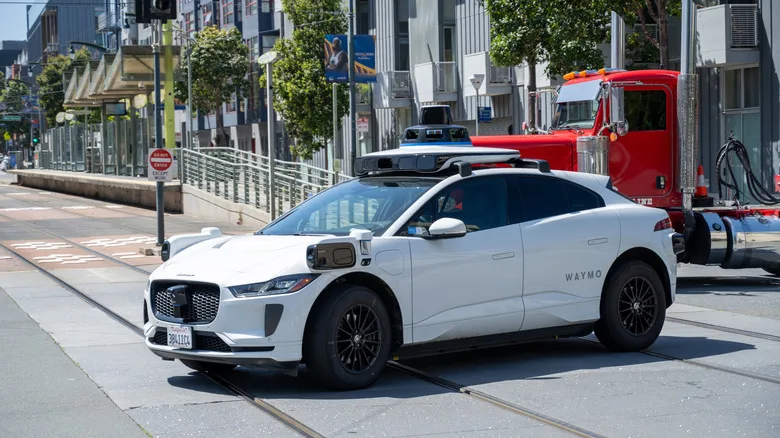
The move is part of Transportation Secretary Sean Duffy’s AV Framework unveiled in April 2025 and aims to strip out “unnecessary componentry” so manufacturers can develop faster and spend less time on redundant processes while still advancing safety, according to NHTSA Chief Counsel Peter Simhauser. Under the proposal, braking control would be fully delegated to the ADS, but the system must also respond to a passenger’s command to stop.
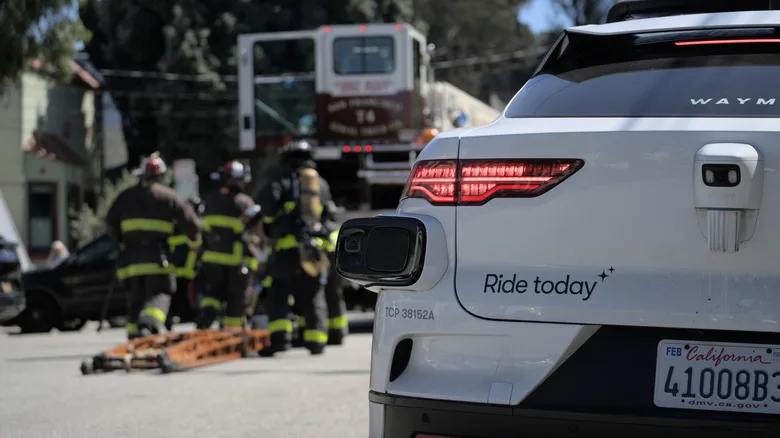
NHTSA argues that manually operated controls inside the cabin could introduce safety risks through intentional or unintentional misuse, so it is leaving the design of any passenger-activated stop mechanism entirely to each manufacturer. The agency has not specified what form that mechanism would take—whether a button, switch, or other interface—and has given no guidance on standardization or labeling.

When asked, an NHTSA representative reiterated that the expectation is that manufacturers will provide some means for passengers or emergency responders to stop the vehicle, but the method, location, and instructions will vary by make and model. The proposal also lacks concrete fail-safe protocols for scenarios beyond routine driving: collisions, animals, debris, or other real-world hazards that have already exposed gaps in ADS performance.
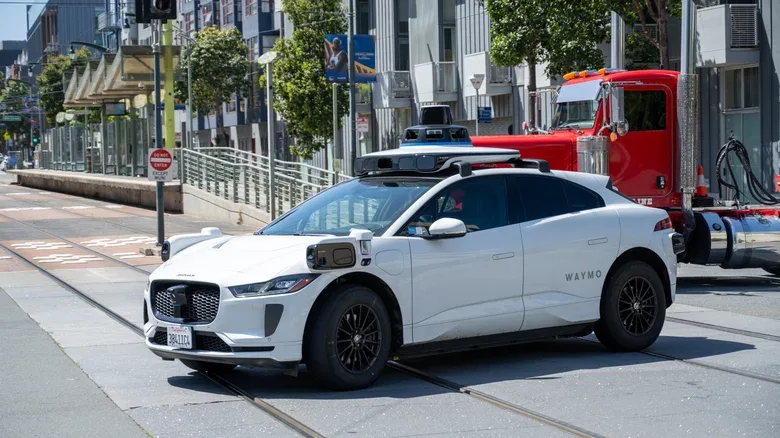
NHTSA says it will develop new testing procedures to validate braking safety under U.S. regulations, but those procedures are still being defined and will evolve in real time. Existing guidance allows passengers to continue a trip after a minor braking-system issue is detected, yet the agency offers no clear answers for emergencies in complex environments.
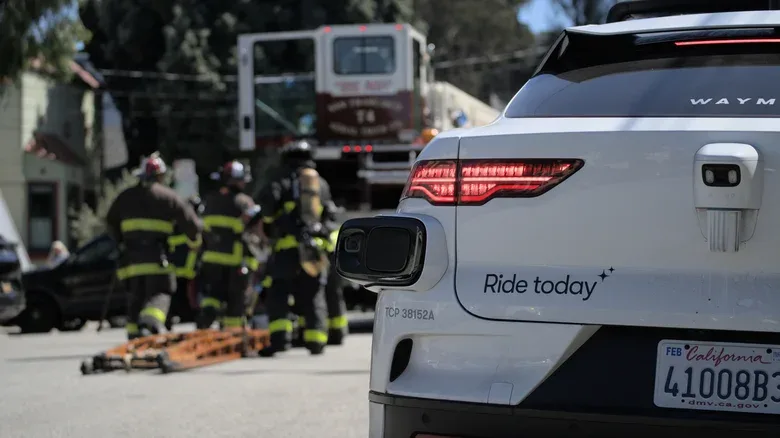
First responders continue to flag ADS-equipped vehicles as a pain point; while some automakers have begun collaborating to improve response times, inconsistencies remain. The proposal effectively bets on software reliability while withholding standardized, universally accessible stop controls, leaving passengers and rescuers to hope that each manufacturer has included—and clearly marked—some way to halt the vehicle if the ADS fails.
📱 Follow our Telegram channel for daily updates
Source: Jalopnik (Auto Culture & Tuning) (jalopnik.com)