🔔 Read us on Telegram — don’t miss the latest automotive news → t.me/motorhub_en
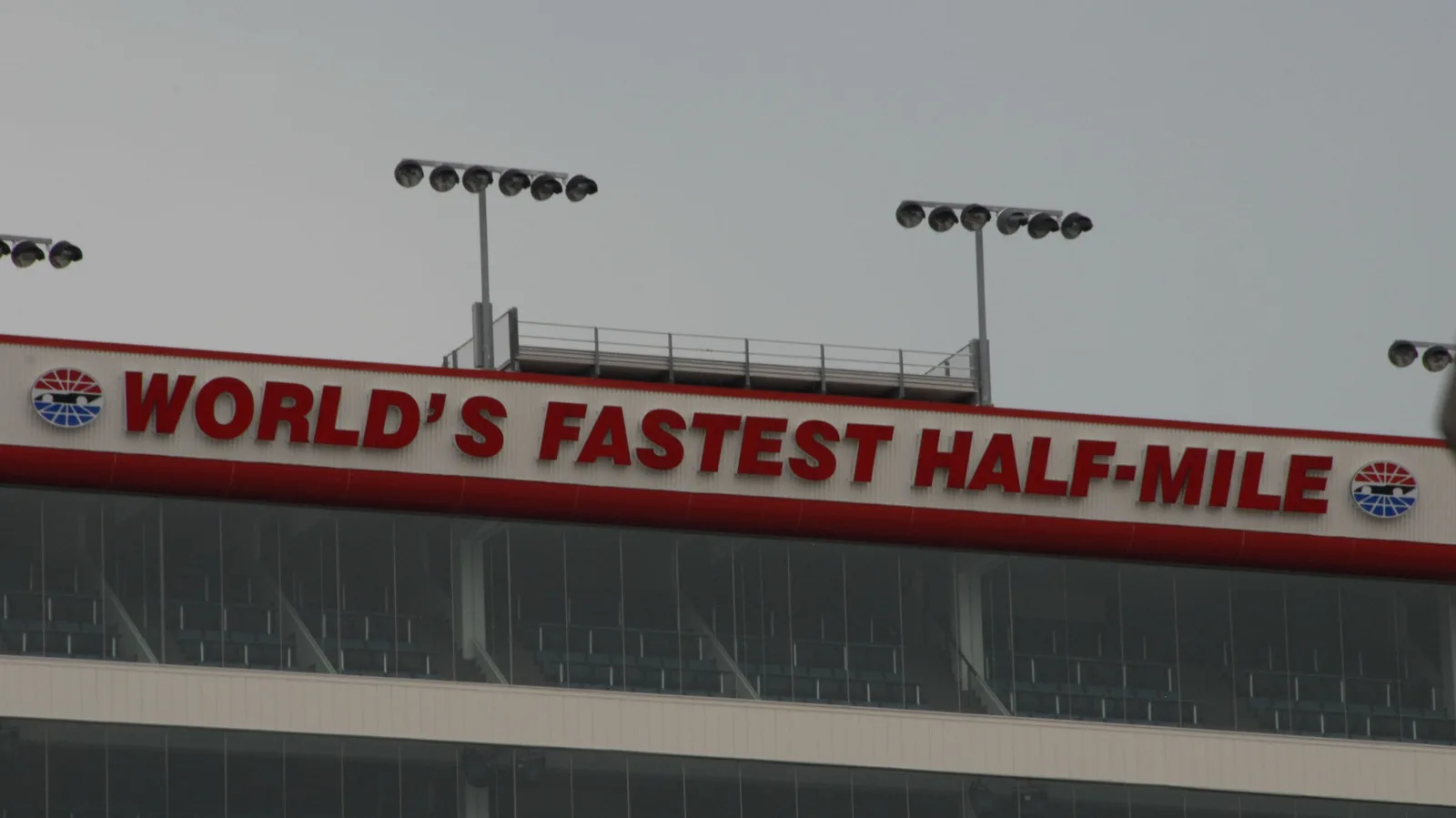
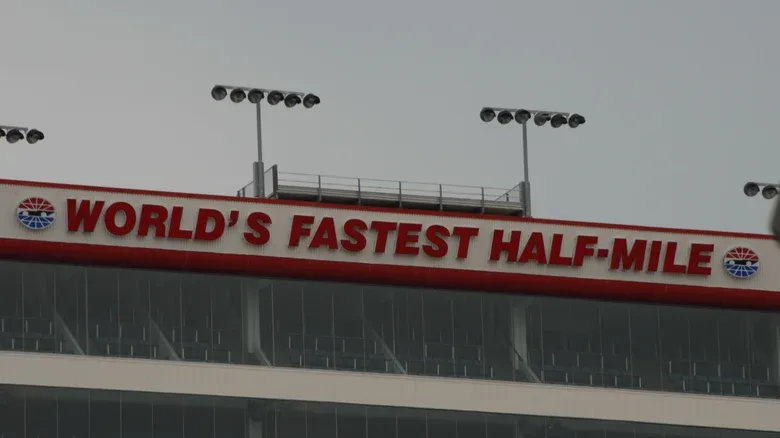
Bristle Motor Speedway’s half-mile oval has been resurfaced more times than most fans can track, toggling between asphalt, concrete, and dirt over the past six decades to solve problems created by the previous surface. Opened in 1961 as Bristol International Raceway, the track operated as an asphalt circuit for its first 30 years. As stock cars grew more powerful and tires gripped harder, the asphalt wore out quickly, forcing frequent repaving. By the early 1990s, rising horsepower and advanced tire tech made routine patching necessary just to keep the track raceable.
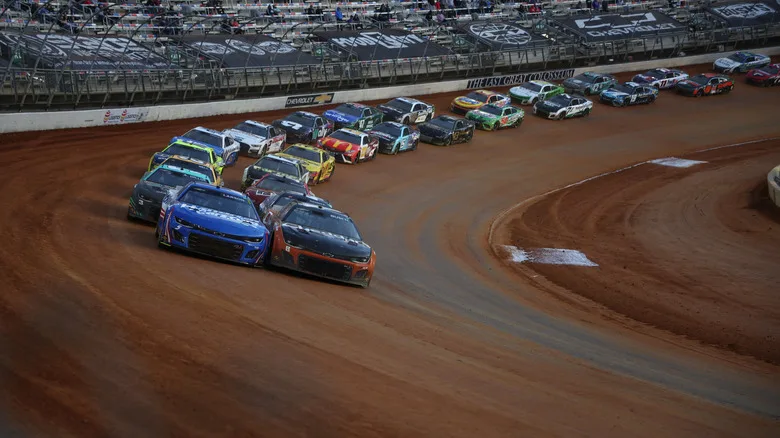
Under owner Larry Carrier, Bristol made the bold move to concrete in 1992, becoming the first NASCAR Cup Series race ever run on a concrete surface. The switch solved durability issues; concrete withstands the sustained heat and friction of modern stock cars far better than asphalt, which breaks down under heavy use. For nearly three decades, concrete defined Bristol for NASCAR fans—high speeds, punishing short-track racing, and a surface tough enough to handle whatever the sport threw at it next. In 2021, Bristol pulled off a move no major NASCAR track had attempted in decades: it blanketed its concrete oval with red Tennessee clay for the Food City Dirt Race.
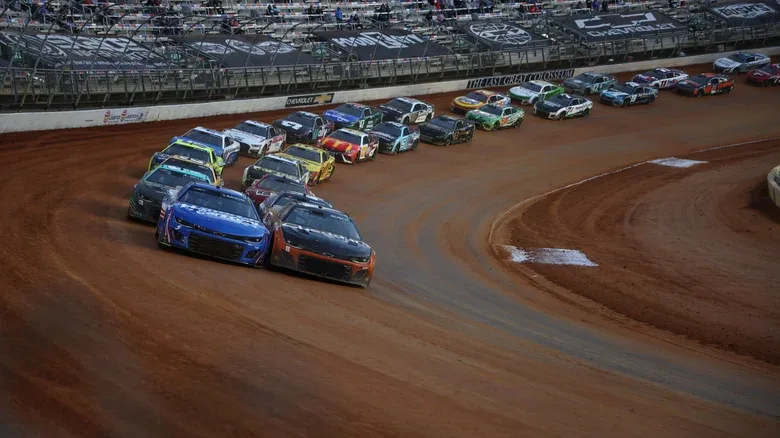
The experiment was designed to shake up a schedule that had grown predictable. While Bristol had briefly hosted dirt races in 2001 and 2002 for the World of Outlaws dirt car series, it had largely remained a concrete circuit since 1992. The Food City Dirt Race marked the first Cup series race on dirt in over 50 years, and late Kyle Busch won on the dirt oval in 2022. But after three years, the dirt era drew mixed reactions.
By 2023, even the drivers were tired of what felt like a gimmick rather than a genuine innovation. That fall, Bristol announced it would abandon the dirt and return to its original concrete surface starting the following season. Track president Jerry Caldwell framed the move as a deliberate nod to Bristol’s most beloved era—the sellout-packed 1990s. The spring race was set to revive a vintage 1990s-style logo and presentation, signaling Bristol wasn’t just changing surfaces again—it was trying to recapture a specific moment in its own history.
Concrete, it turned out, wasn’t just the practical fix for asphalt’s durability problem; it had become the surface fans most associate with Bristol at its best. With NASCAR’s schedule and racing style constantly evolving—including the recent revival of the Chase—nobody knows what surface Bristol might try next.
📱 Follow our Telegram channel for daily updates
Source: Jalopnik (Auto Culture & Tuning) (jalopnik.com)