🔔 Read us on Telegram — don’t miss the latest automotive news → t.me/motorhub_en
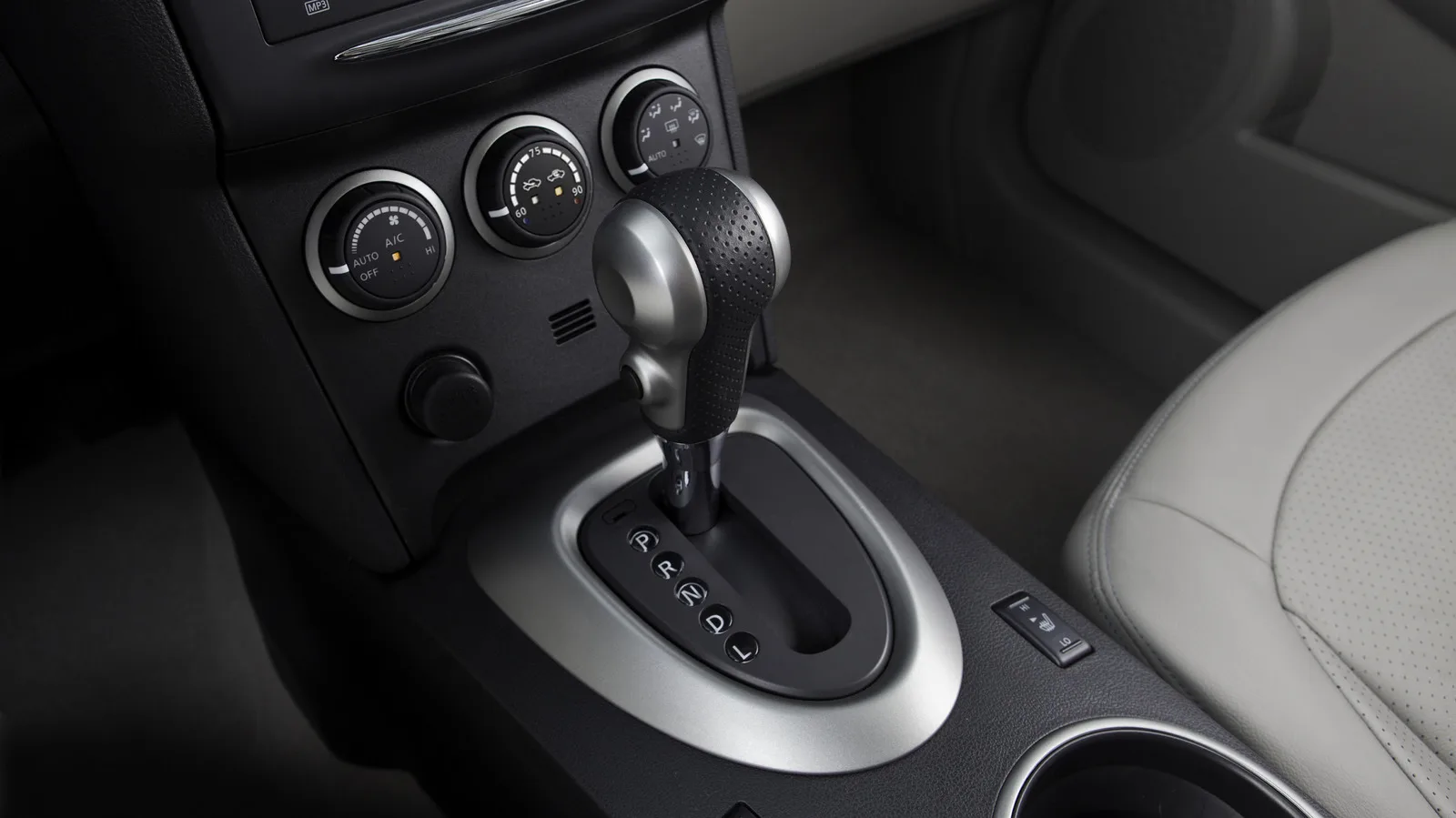
Nissan’s reputation for reliability has taken a serious hit in recent years, largely because of the widespread transmission problems plaguing its Continuously Variable Transmissions (CVTs). Unlike traditional automatic transmissions with fixed gears, CVTs use a pulley-and-belt system to deliver an effectively infinite number of gear ratios, which in theory maximizes fuel efficiency and smoothness. But in practice, many Nissan models equipped with these transmissions have become notorious for premature failure, leaving owners with costly repairs and a sour taste in their mouths.
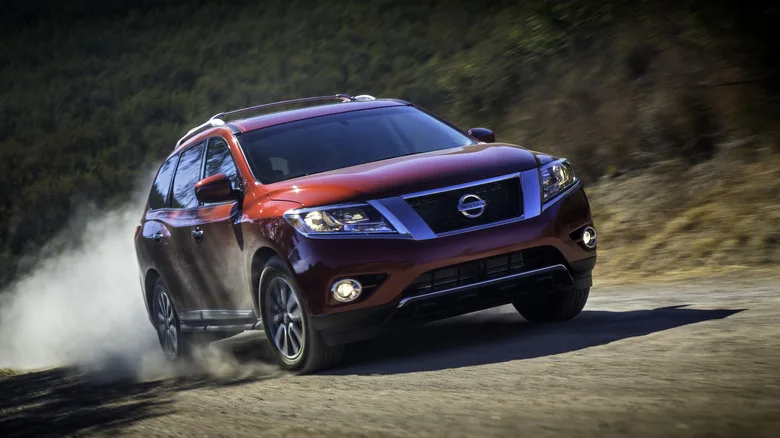
The brands and models most frequently cited for CVT-related issues include the Altima (2007–2018), Sentra (2007–2019), Maxima (2007–2019), Murano (2003–2019), Pathfinder (2013–2020), Quest (2011–2017), Rogue (2008–2019), and Versa (2007–2019). The timeline stretches from 2003 to 2020, underscoring how long-running and systemic the problem has been. While not every model year is affected uniformly, the sheer volume of complaints and lawsuits paints a damning picture.
Nissan has acknowledged the issue in part by extending warranty coverage on certain models from 60,000 miles and 5 years to 84,000 miles and 7 years. The technical failure mode is well-documented: the CVT’s internal belt begins to slip on the pulley, causing scoring and gouging that worsens over time. Drivers typically report shuddering, jerking, overheating, loss of power, and eventually total transmission failure.
Data from the National Highway Traffic Safety Administration (NHTSA) and CarComplaints.com shows thousands of documented cases, with the 2014 Altima serving as a case study. Among 73 reported CVT failures in that model, the average repair cost hit $3,860, and the average failure mileage was just 75,200 miles. Not all CVT-equipped Nissans will succumb to these issues, and some engineers argue that the broader criticism of CVTs is overblown.
Proponents point out that with meticulous maintenance and avoiding aggressive driving habits, some CVTs can reach 200,000 miles. Still, the evidence—including class-action lawsuits and thousands of owner complaints—suggests that these transmissions are a significant risk for used buyers. For those seeking a trouble-free ownership experience, steering clear of these models may be the smartest move.
📱 Follow our Telegram channel for daily updates
Source: Jalopnik (Auto Culture & Tuning) (jalopnik.com)