🔔 Read us on Telegram — don’t miss the latest automotive news → t.me/motorhub_en
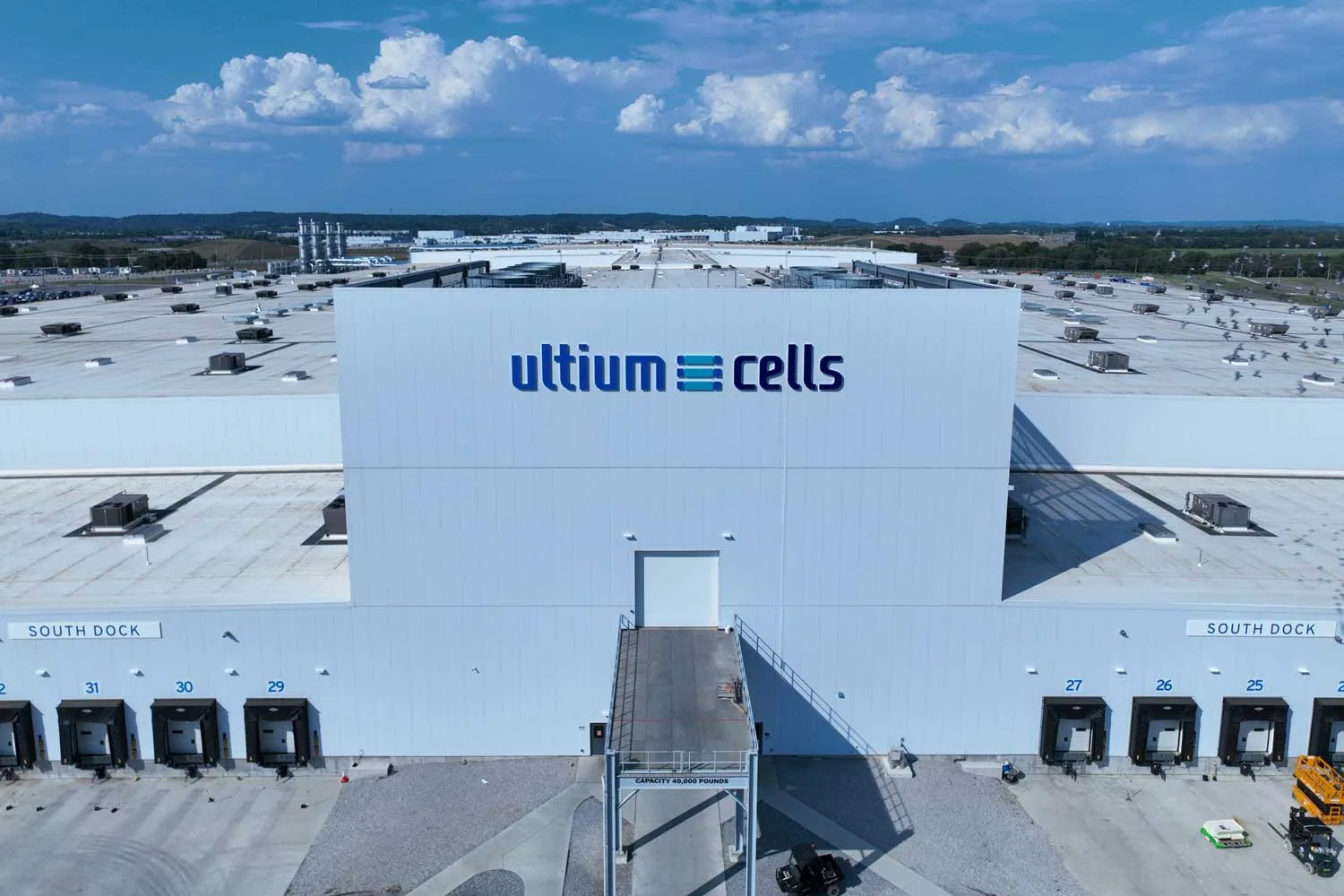
Ford is doubling down on lithium-iron phosphate (LFP) battery technology for its upcoming electric vehicles, including a future mid-size EV pickup, citing the chemistry’s cost advantages, thermal stability, and tolerance for frequent 100% charge cycles without accelerated degradation. The Blue Oval has confirmed that LFP will remain a core part of its EV strategy moving forward, even as the industry explores alternatives. Meanwhile, General Motors is taking a sharp turn away from LFP, with Vice President of Batteries, Propulsion, and Sustainability Kurt Kelty stating at a San Francisco event that the automaker may never adopt the chemistry for its vehicles. “There is a possibility where LFP does not earn its way into our portfolio,” Kelty said, emphasizing that GM is pivoting toward lithium manganese-rich (LMR) batteries as its primary workhorse chemistry for high-volume production. The shift is significant because GM had previously announced plans to produce LFP batteries for automotive use at a joint venture plant in Tennessee starting in 2027. However, Kelty clarified that those units will now be repurposed exclusively for battery energy storage solutions (BESS), aligning with Ford’s own strategy of using LFP for stationary storage through its Ford Energy division. GM’s pivot underscores a broader divergence in battery strategy between the two Detroit rivals. While Ford is committed to LFP for now, it is also developing its own LMR chemistry, aiming to integrate it into production vehicles before the end of the decade. The Blue Oval claims its LMR technology offers three key advantages over existing chemistries: improved safety, higher energy density, and reduced costs. The cost reduction is particularly critical, as Ford frames it as a breakthrough necessary to achieve cost parity with internal combustion engine vehicles. The automaker’s dual-track approach—pursuing both LFP and LMR—reflects the ongoing industry-wide search for the optimal balance between performance, affordability, and scalability in EV batteries.
📱 Follow our Telegram channel for daily updates
Source: Ford Authority (fordauthority.com)