🔔 Read us on Telegram — don’t miss the latest automotive news → t.me/motorhub_en
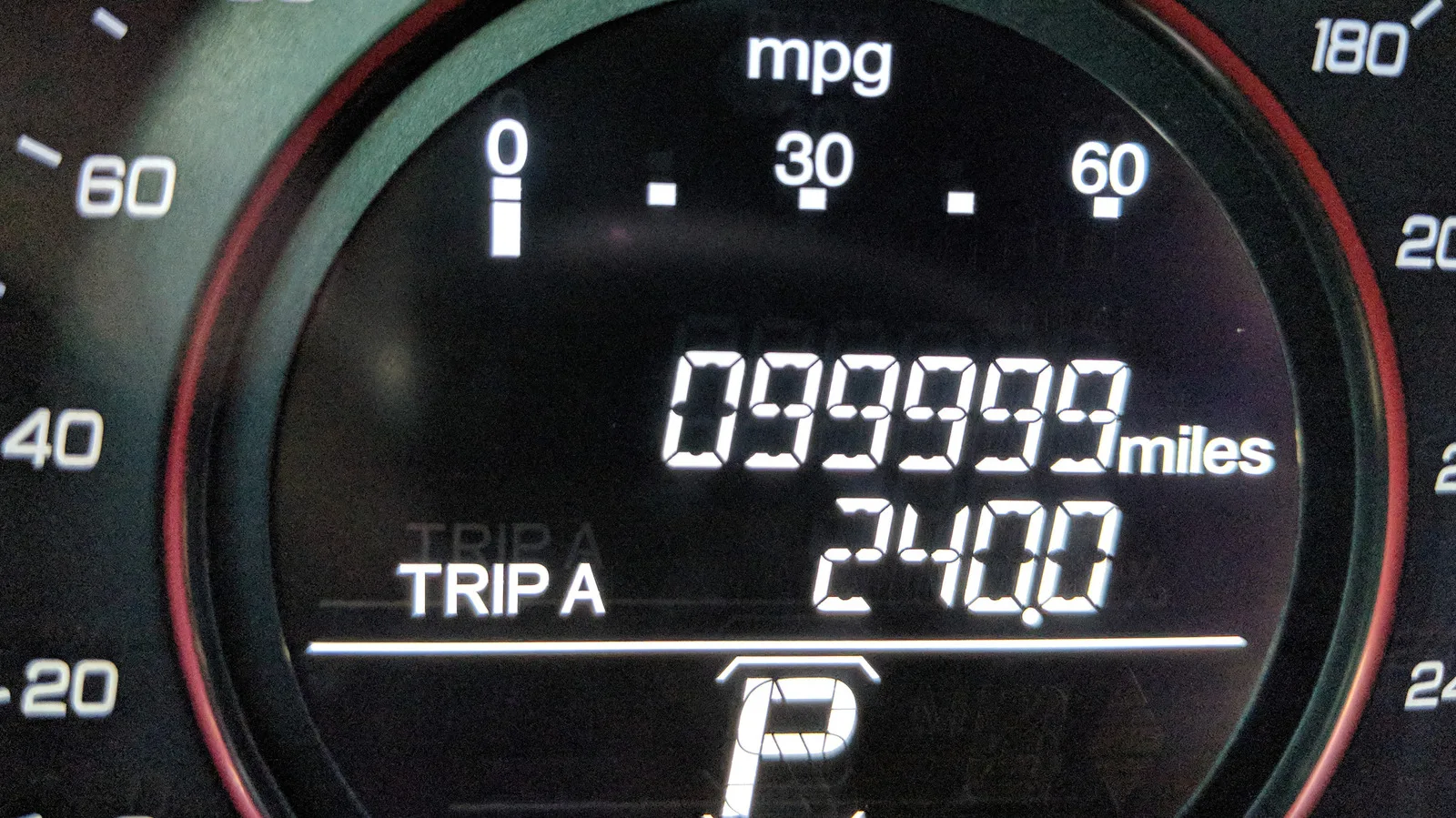
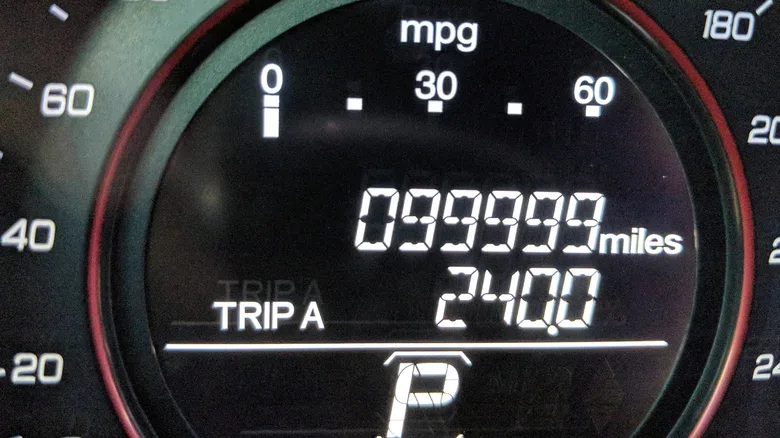
Every car—whether brand-new or decades old—relies on regular maintenance to stay reliable. But once the odometer ticks past 100,000 miles, the stakes get higher. Standard oil changes and tire rotations aren’t enough anymore.
Maintenance schedules vary by brand and driving conditions. For example, Honda recommends changing brake fluid every 45,000 and 90,000 miles, while Ford mandates a brake fluid flush every three years for the F-150. Severe driving—think heavy towing or hauling—accelerates wear on the engine oil, cooling system, tires, and suspension.
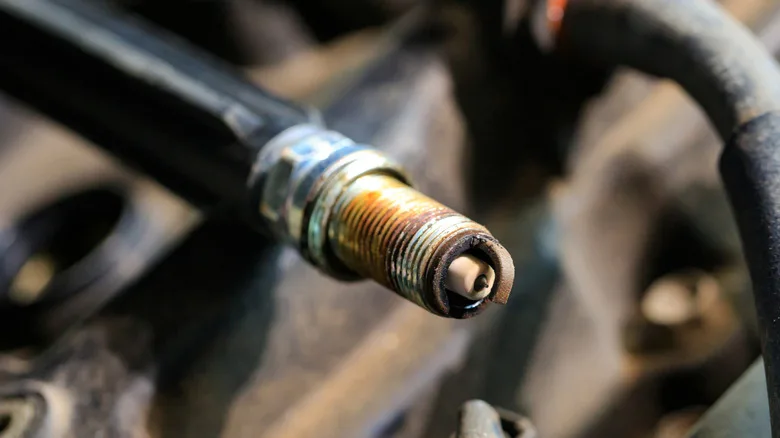
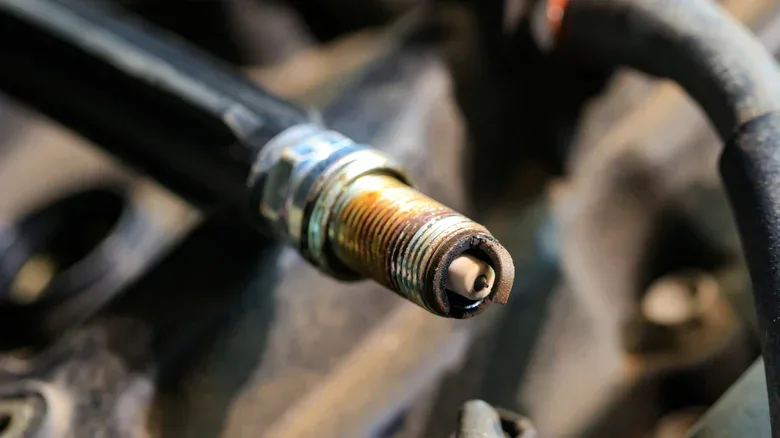
Neglecting scheduled services means more work—and bigger repair bills—when the car hits six figures. At or near 100,000 miles, several components and fluids typically wear out and need replacement: spark plugs, timing belt (or chain), water pump, radiator and hoses, brake fluid, dampers (shock absorbers/struts), and automatic transmission fluid. Spark plugs can last anywhere from 30,000 to 100,000 miles depending on the type—copper, platinum, or iridium—and the automaker’s recommendation.
Honda suggests swapping plugs every 30,000 miles, while Ford often extends that to 60,000 miles. Symptoms of worn plugs include poor fuel economy, rough idling, hard starting, and engine misfires. Ignition coils, which power the plugs, usually last 80,000 to 100,000 miles and often show similar failure symptoms.
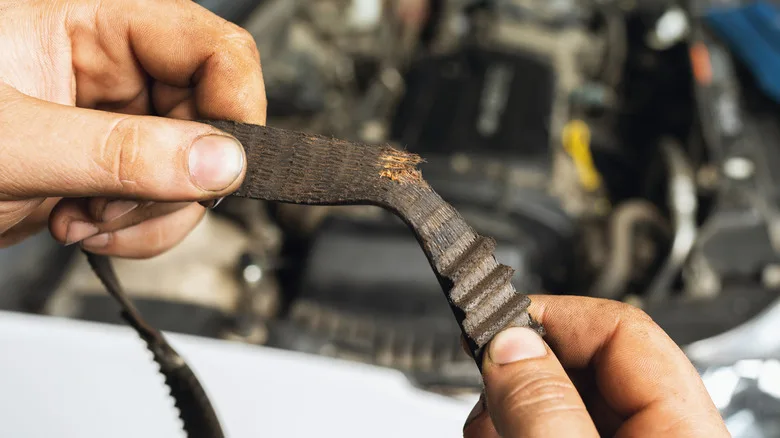
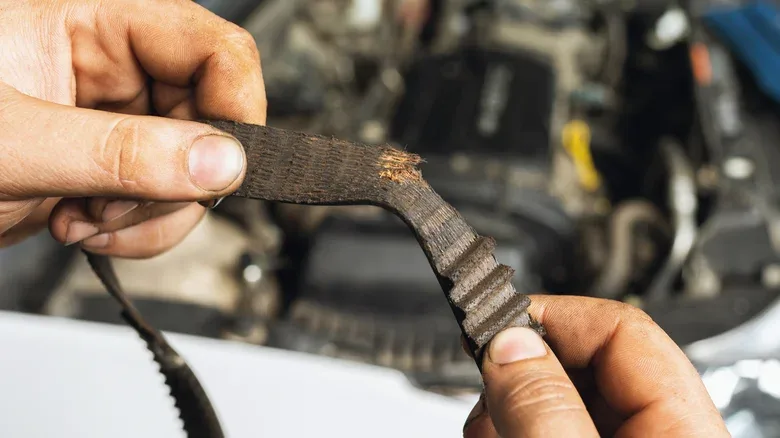
The timing belt is a critical wear item. Many manufacturers recommend replacement between 60,000 and 100,000 miles, though some engines use a more durable timing chain. A broken timing belt in an interference engine can bend valves, damage pistons, and wreck cylinder heads.
Replacing the belt often requires swapping the tensioner bearings, idler pulleys, and associated gaskets and seals. A timing belt kit typically costs $100 to $350, while a full replacement (including labor) averages $400 to $1,000. The water pump, driven by the timing belt, should be replaced at the same time to avoid a second teardown.
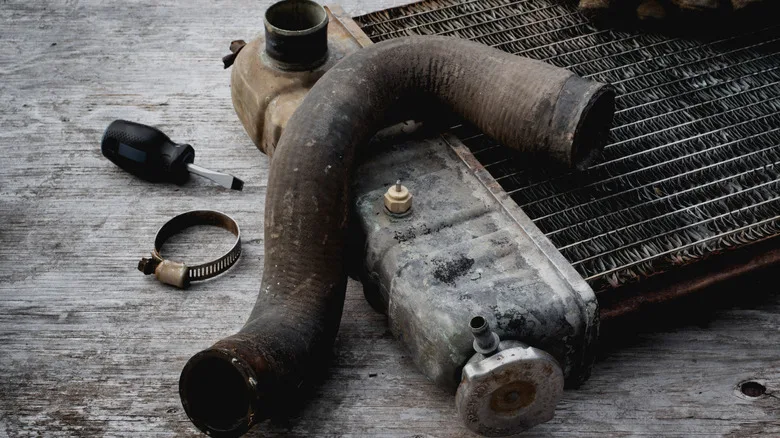
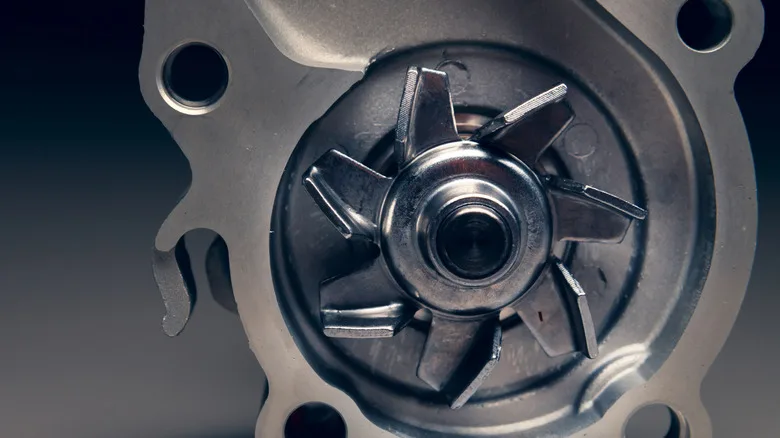
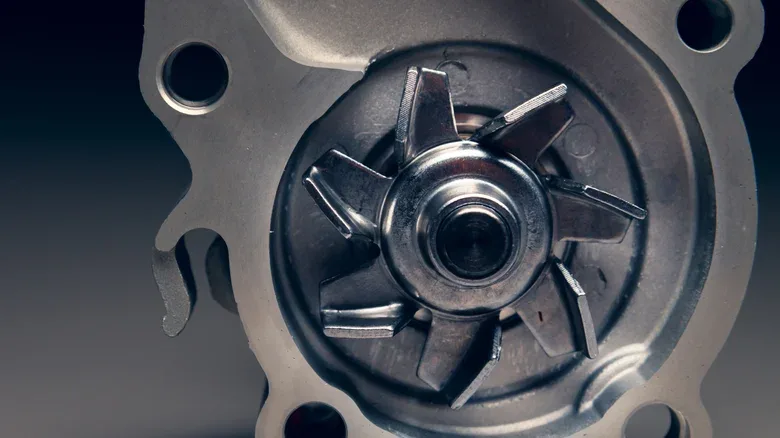
Water pumps last 60,000 to 100,000 miles on older cars and longer on newer models. A full replacement can cost $900 or more in parts and labor, with the pump itself running $200 to $400. A failing water pump often squeals or grinds before it fails completely.
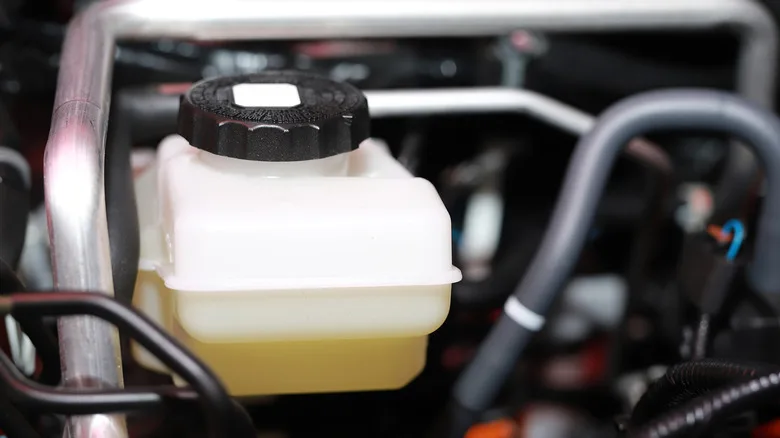
Coolant flushes—recommended every 50,000 to 100,000 miles or every 3 to 5 years—help protect the water pump and extend its life. The radiator and its hoses are the backbone of the cooling system. A well-maintained radiator can last 8 to 12 years, but neglect can lead to clogs, rust, or failure.
Rubber hoses degrade over time due to heat and pressure; many experts recommend replacing them at 60,000 miles or when the car is four years old. Cracked or bulging hoses should be swapped immediately. Many owners replace the radiator and hoses together as a preventive measure.
Upgrading to silicone hoses can improve longevity. Brake fluid degrades over time, especially under severe driving conditions. Honda calls for replacements at 45,000 and 90,000 miles, while Ford requires every three years for the F-150.
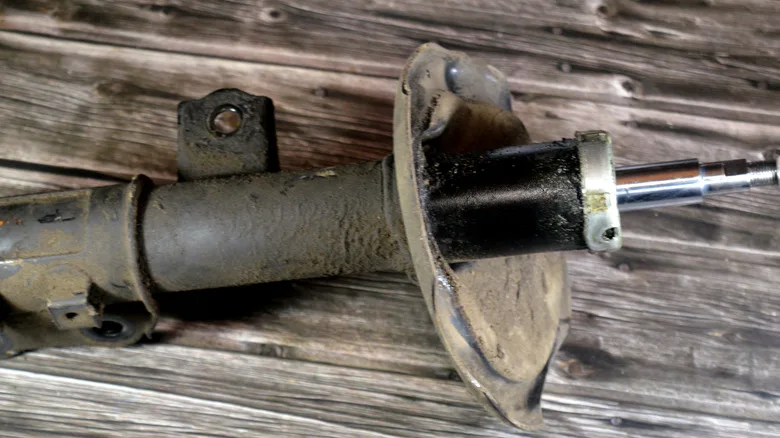
Symptoms of old brake fluid include a soft pedal, longer stopping distances, and corrosion inside the system. Dampers—shock absorbers and struts—typically wear out by 100,000 miles. Worn dampers reduce ride comfort, handling, and braking performance.
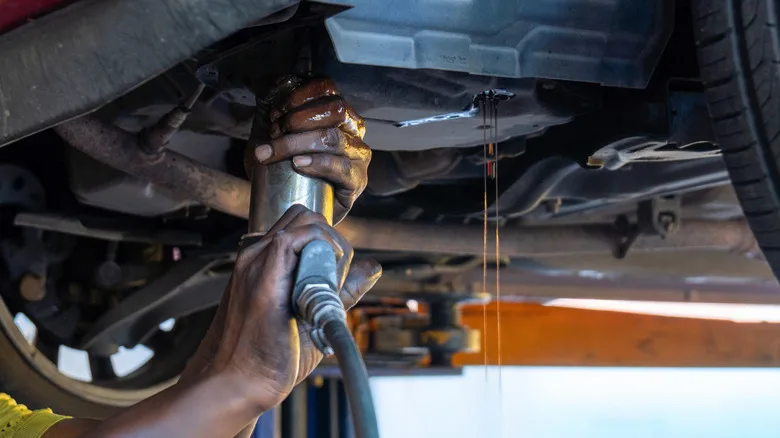
Automatic transmission fluid also degrades with age and mileage. Many automakers recommend a fluid and filter change between 60,000 and 100,000 miles. Neglecting these services can lead to rough shifting, overheating, and premature transmission wear.
The bottom line: a car that’s been properly maintained at 100,000 miles will look, feel, and perform far better than one that’s been neglected. Follow the owner’s manual, adjust for severe driving, and address wear items early to avoid costly repairs down the road.
📱 Follow our Telegram channel for daily updates
Source: Jalopnik (Auto Culture & Tuning) (jalopnik.com)