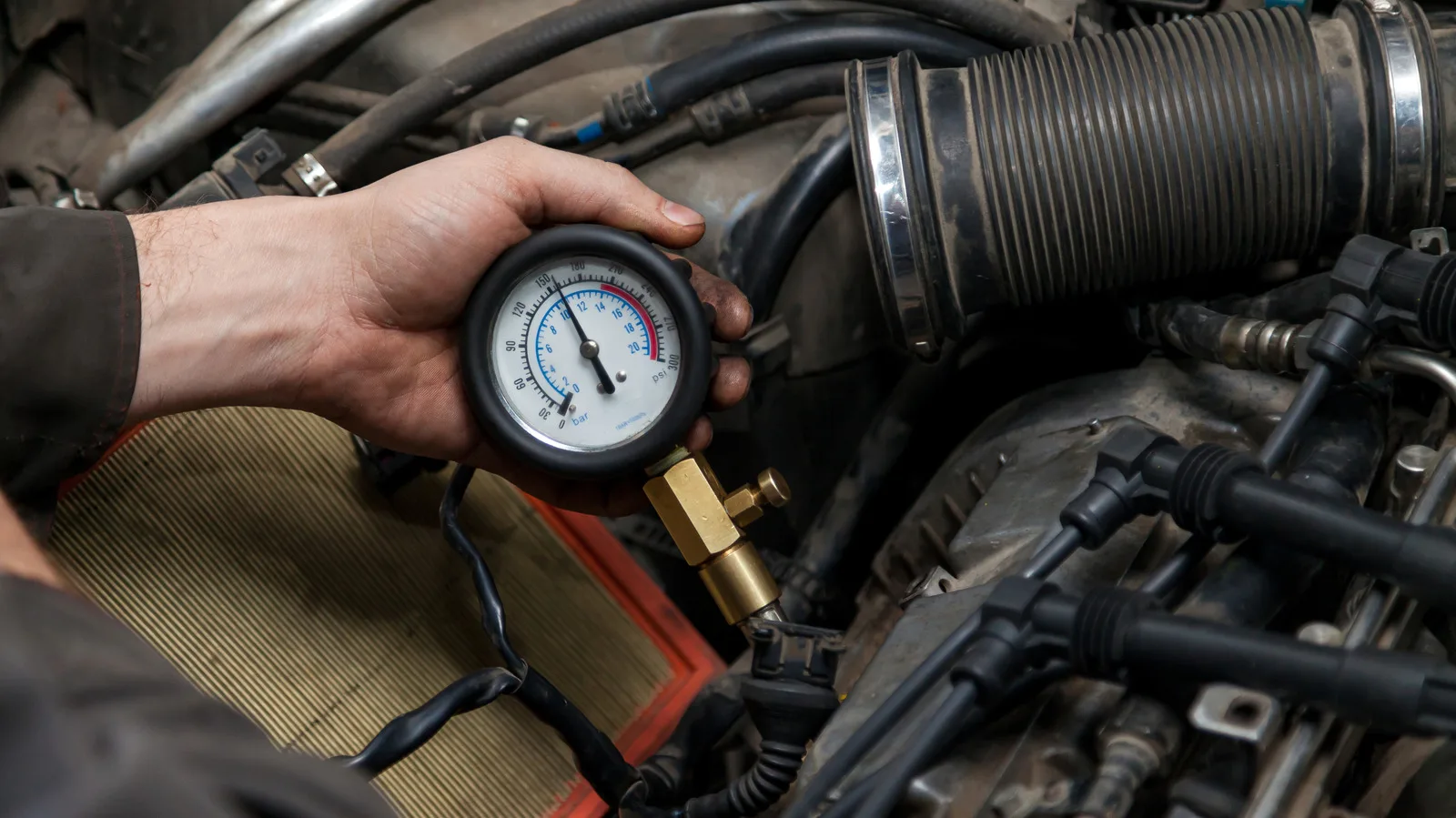
🔔 Read us on Telegram — don’t miss the latest automotive news → t.me/motorhub_en
Two simple tests can reveal whether your engine’s internals are still sealing properly — and whether it’s time for a rebuild. Compression testing is the quick-and-dirty way to check cylinder pressure.
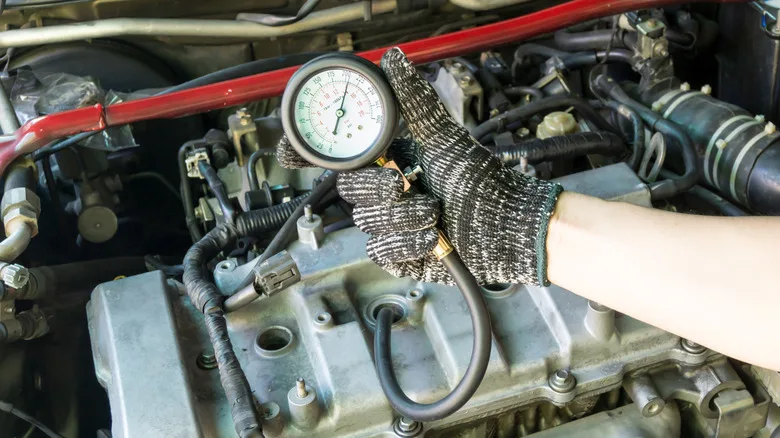
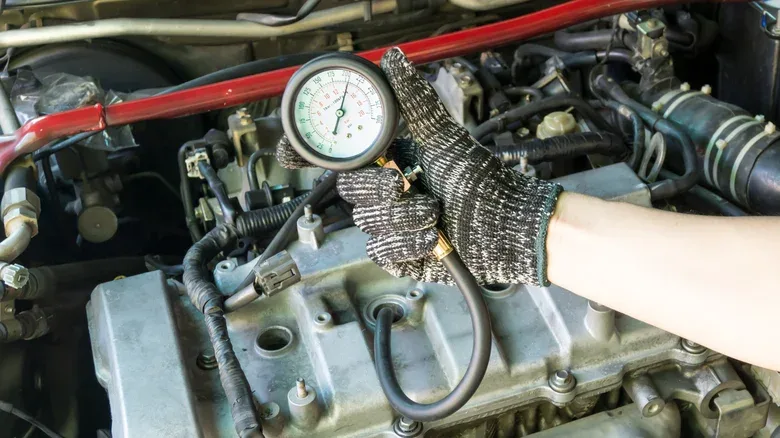
You pull the spark plugs, thread a gauge into each cylinder, disable the fuel pump, and crank the engine. The gauge climbs to a peak pressure (around 130 PSI is ideal) and you compare readings across cylinders.
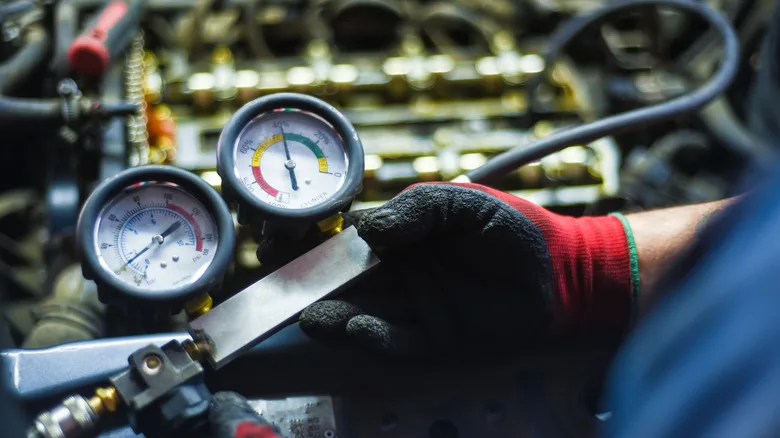
They should all be within 10% of each other; anything lower points to worn rings, a leaking head gasket, or a tired valve train. Accuracy depends on a healthy battery, cool starter, and consistent air density — otherwise the numbers can lie.
It’s fast, cheap, and gives a solid first read on engine health, but it won’t tell you exactly where the leak is. For that, you need a leak-down test.
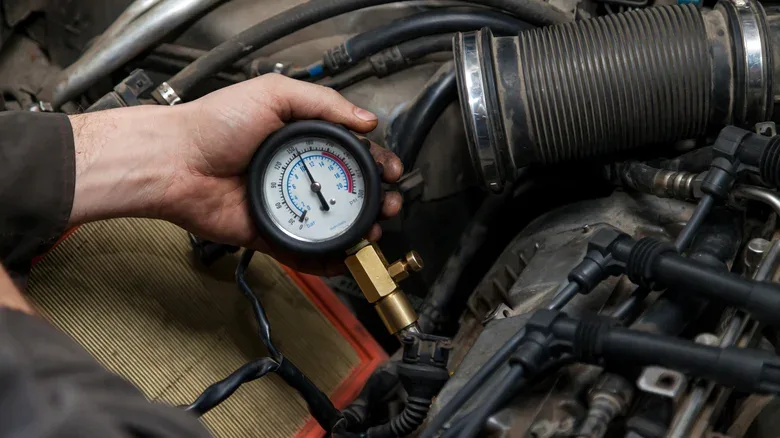
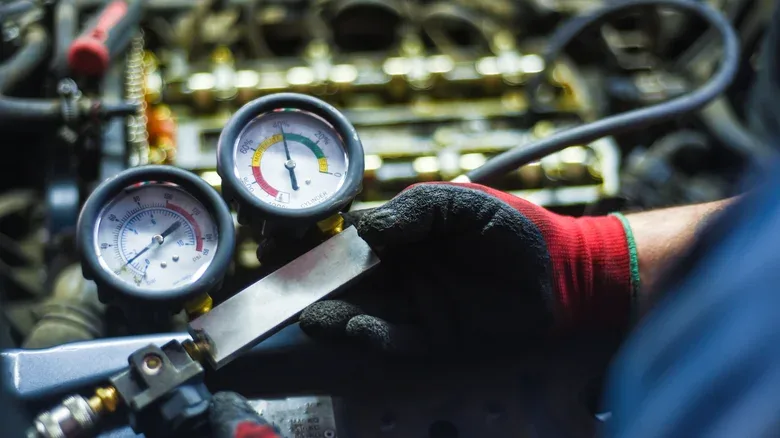
This method uses shop air to pressurize a cylinder at top dead center and measures how much pressure bleeds off. A leak-down tester shows the percentage of air loss: under 5% is excellent, 10% is acceptable, 15% is borderline, and 20% or higher means major work ahead.
While it takes more gear and prep, the leak-down test lets you listen for escaping air at the intake, exhaust, or even bubbles in the coolant — pinpointing whether the problem is rings, valves, or a blown head gasket. Both tests are worth running if you’re buying a used car, chasing a misfire, or just keeping an aging engine alive.
Compression testing is the easier first step; leak-down testing is the deeper dive that catches what the simpler gauge misses.
📱 Follow our Telegram channel for daily updates
Source: Jalopnik (Auto Culture & Tuning) (jalopnik.com)