🔔 Read us on Telegram — don’t miss the latest automotive news → t.me/motorhub_en
The word “roadster” is one of those automotive terms that refuses to sit still. Its origins trace back to the early 19th century, when it described a horse bred for pleasure riding rather than labor. By the late 1800s, the term had shifted to describe lightweight, two-seat carriages—often open-topped and pulled by a single horse. When cars arrived, the label stuck, morphing into a catch-all for small, two-seat automobiles.
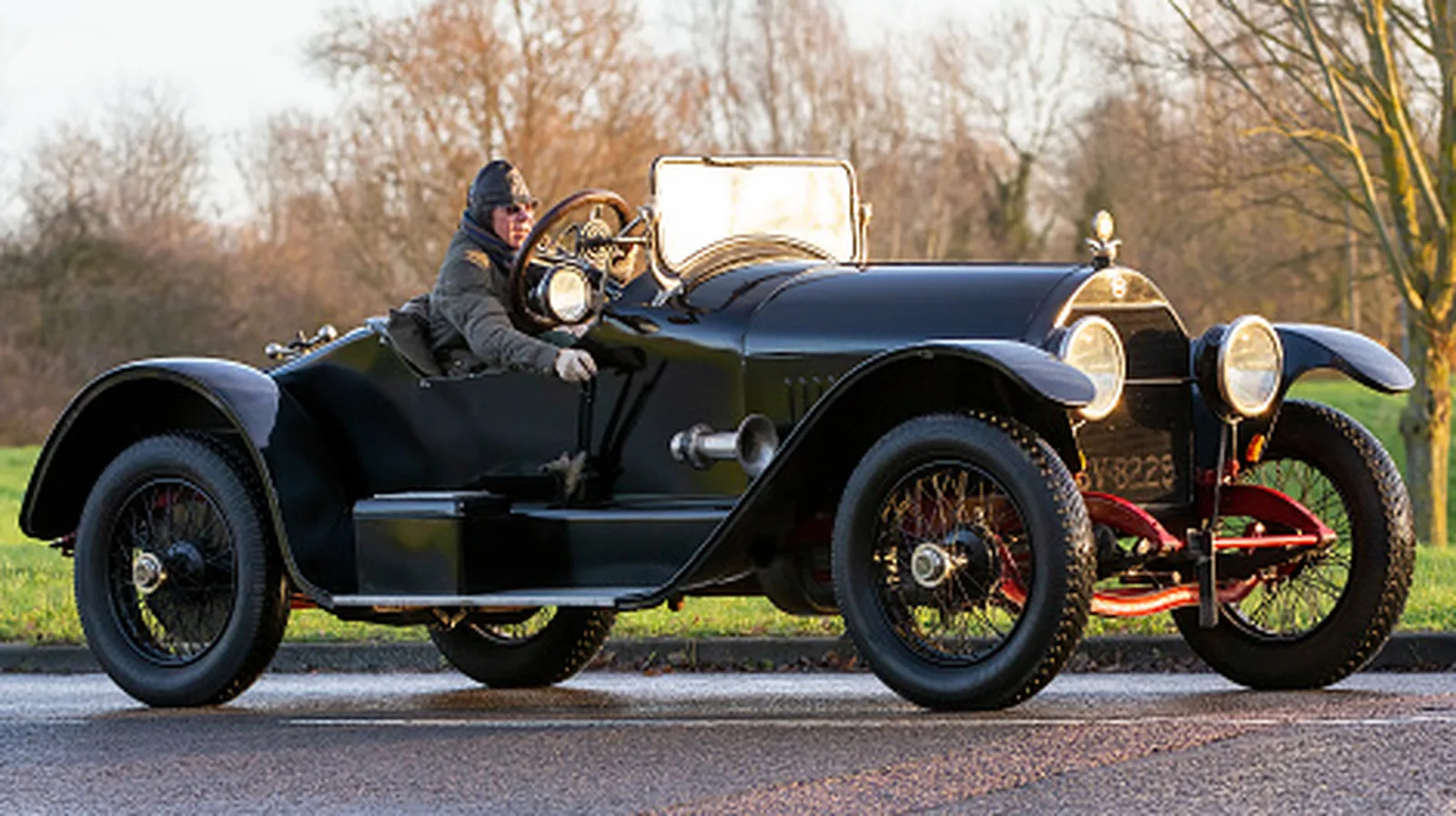
By the early 20th century, roadsters had evolved into nimble, open-top sports cars designed for enthusiasts who craved a raw, unfiltered connection to the road. These cars were stripped down, often without side windows, and built for driving pleasure rather than practicality. Historically, terms like “spider” or “barchetta” were used interchangeably, particularly for cars meant for competitive sport driving. Early examples like the 1910 Mercer Raceabout and the 1912 Stutz Bear Cat embodied this spirit, while aftermarket conversions—like those offered for the Ford Model A and Model T—turned everyday cars into race-ready roadsters.
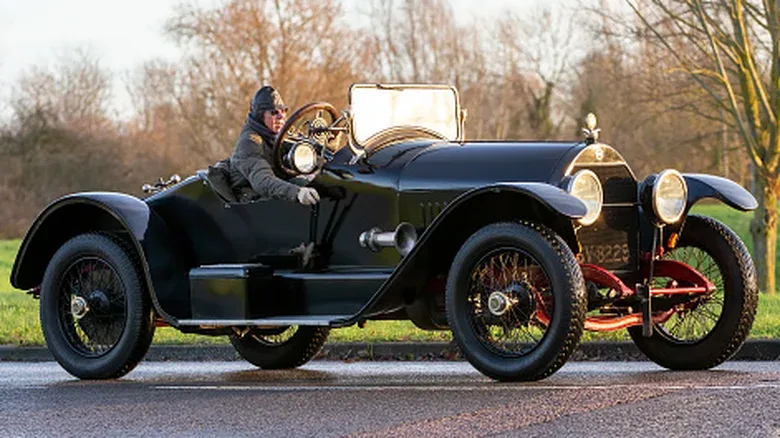
These were the original track-day machines: drive to the circuit, race, and drive home. Over the decades, the definition of a roadster has stretched and blurred. By the 1950s, the term had expanded to include any open-top two-seater, even if it retained side windows or a fixed roof structure. Today, the term is often misapplied to cars that bear little resemblance to the original concept.
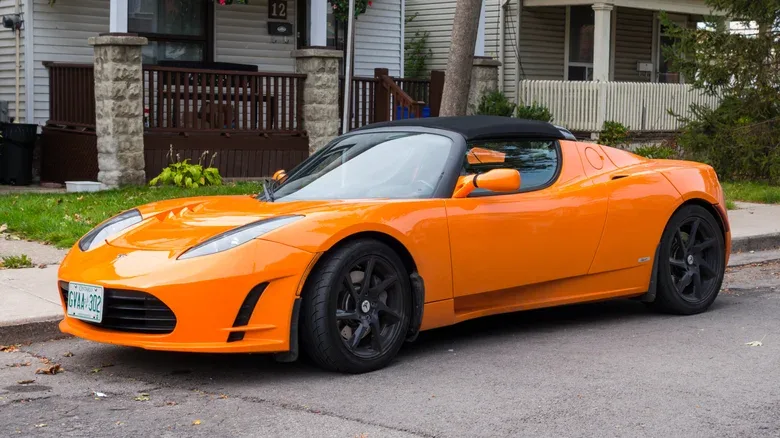
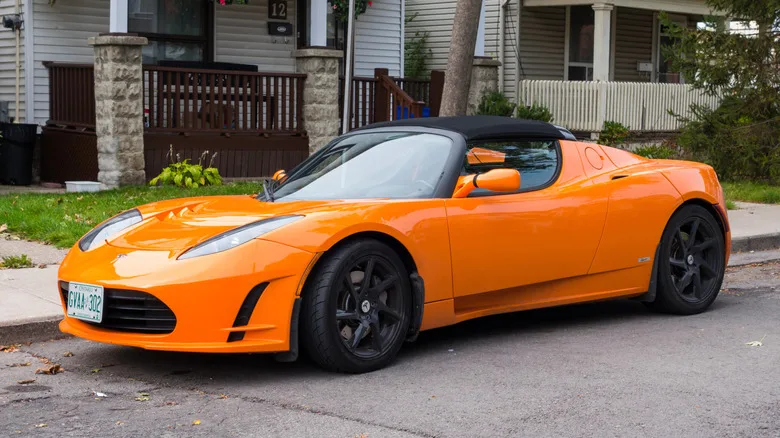
Porsche’s Boxster, the MGB, and Dodge’s Viper are all poster children for the modern roadster, but the label has also been slapped onto four-seat convertibles by brands like Porsche, Morgan, and Mercedes-Benz. Tesla took it a step further, teasing a second-generation Roadster in 2017 that was a four-seat coupe with a removable targa roof—though it never made it to production. The confusion stems from the term’s colloquial drift. Strictly speaking, a roadster should be a lightweight, two-seat open-top car with a removable roof and minimal creature comforts.
But in practice, the label has become a marketing buzzword, applied to anything from two-seaters to four-door convertibles. The only car that still clings closest to the original spirit is the Mazda MX-5 Miata, a modern interpretation of the classic roadster ethos. As the automotive landscape evolves, the roadster’s identity remains as fluid as ever, a relic of a bygone era that refuses to be pinned down.
📱 Follow our Telegram channel for daily updates
Source: Jalopnik (Auto Culture & Tuning) (jalopnik.com)