🔔 Read us on Telegram — don’t miss the latest automotive news → t.me/motorhub_en
Have you ever wondered what the alphanumeric code on your car battery label means? The Battery Council International (BCI) established a standardized numbering system, known as BCI group sizes, to eliminate confusion and ensure the correct battery installation.
This system assigns letter-and-number codes to car batteries based on their physical dimensions, electrical characteristics, and terminal placement.
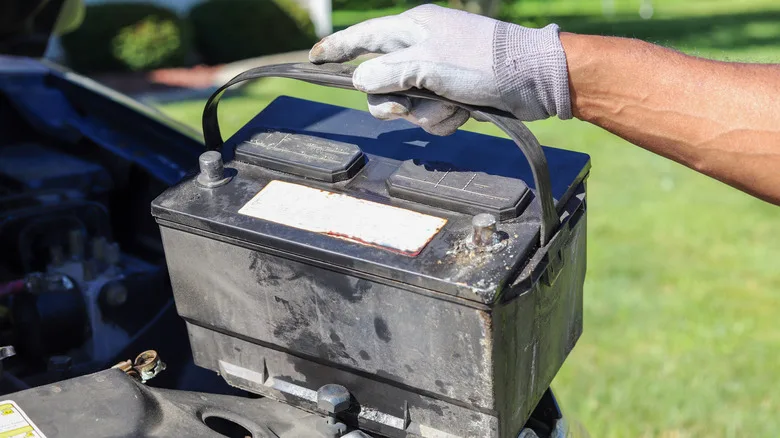
The BCI group size number acts as a reference guide for automakers, parts retailers, and car owners, particularly in North America.
It ensures that battery terminals align properly with a car’s electrical cables, preventing potential damage or explosion.
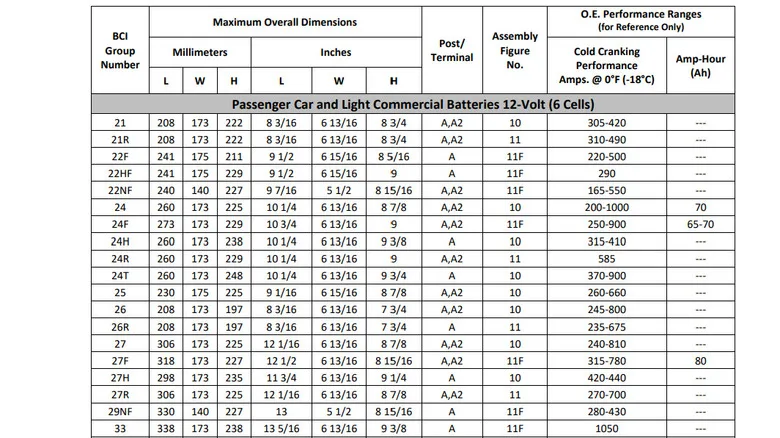
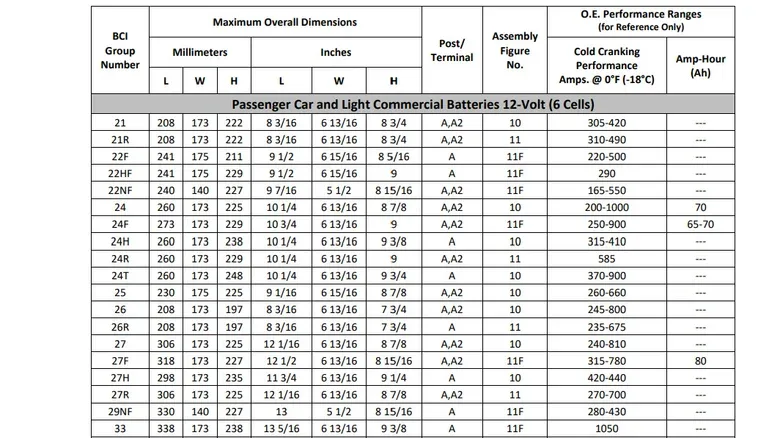
The BCI group size numbering system uses two- or three-digit codes, sometimes followed by a letter, to categorize batteries according to precise dimensional tolerances.
The code is built from four distinct characteristics: physical size, battery performance, terminal position, and chemistry.
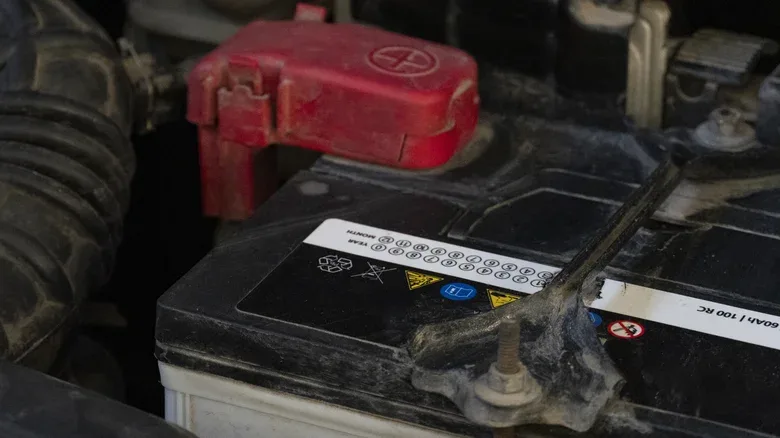
The letters that follow the BCI group size number can be a descriptor for the terminals, such as ‘R’ for reversed terminals or ‘F’ for a swapped terminal layout.
When replacing a car battery, it’s crucial to stick to the recommended BCI number to ensure the longevity and operation of the car’s battery and electronics. The BCI website offers a handy document detailing the entire numbering system for reference.
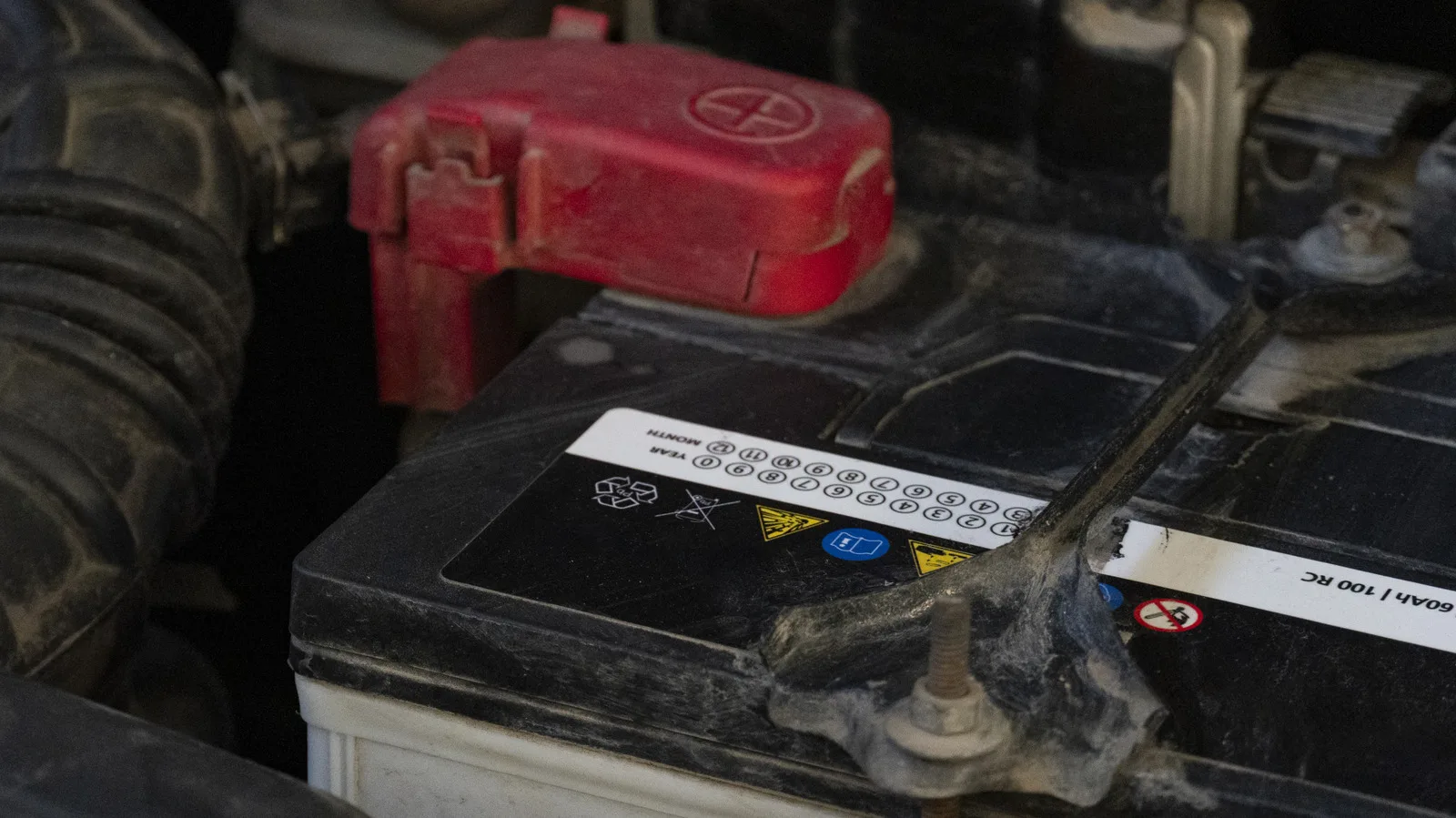
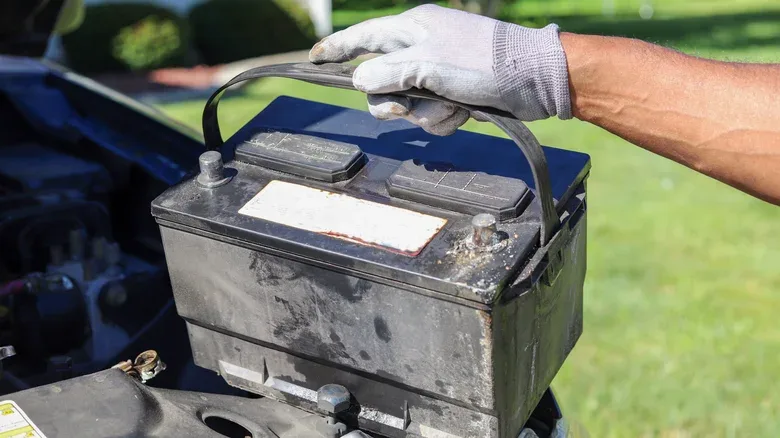
You can find the BCI group size number of your car battery in the owner’s manual or on the label of the existing battery in the engine bay.
📱 Follow our Telegram channel for daily updates
Source: Jalopnik (Auto Culture & Tuning) (jalopnik.com)