🔔 Read us on Telegram — don’t miss the latest automotive news → t.me/motorhub_en
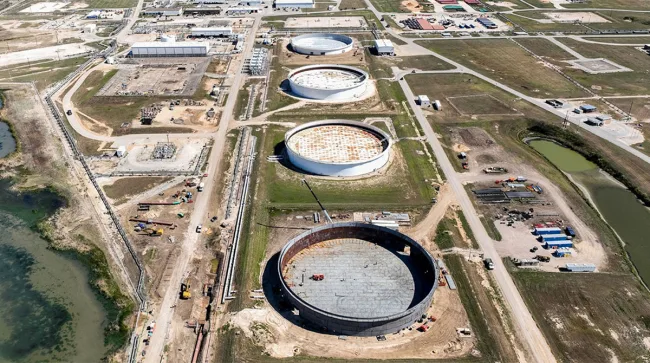
The U.S. Strategic Petroleum Reserve has fallen to its lowest level since 1983, dropping to roughly 340 million barrels, according to Energy Department data released on June 15, 2026. The Trump administration is finalizing plans to release 172 million barrels from the reserve, reducing holdings to about 243 million barrels—nearly a third of its authorized capacity of 700 million barrels. The drawdown is part of a broader effort to stabilize fuel prices amid surging global crude costs, which have risen about 20% since the war in Iran began. U.S. gasoline prices now average around $4.07 per gallon. The administration is using an exchange program to release the oil, effectively loaning barrels to companies that must return them with interest. So far, the return rate has been about 26%, generating over $3 billion in estimated taxpayer savings. The Energy Department plans to refill the reserve within a year, adding approximately 200 barrels—20% more than the amount released. The reserve, originally created after the 1970s Arab oil embargo, now faces reduced flexibility to respond to future supply disruptions. The Trump administration has criticized the Biden administration for depleting the reserve, which was already significantly reduced when Trump took office 16 months ago. Biden’s team had withdrawn roughly 290 million barrels through multiple releases, including after Russia’s invasion of Ukraine in 2022. Republicans at the time argued the moves were politically motivated to lower gasoline prices ahead of the 2022 midterm elections rather than addressing genuine supply emergencies. Global oil market volatility, driven by geopolitical tensions, continues to pressure U.S. fuel prices, intensifying political pressure on Trump ahead of the November midterm elections that will determine congressional control.
📱 Follow our Telegram channel for daily updates
Source: Transport Topics — Michelin & Tires (EN) (ttnews.com)