🔔 Read us on Telegram — don’t miss the latest automotive news → t.me/motorhub_en
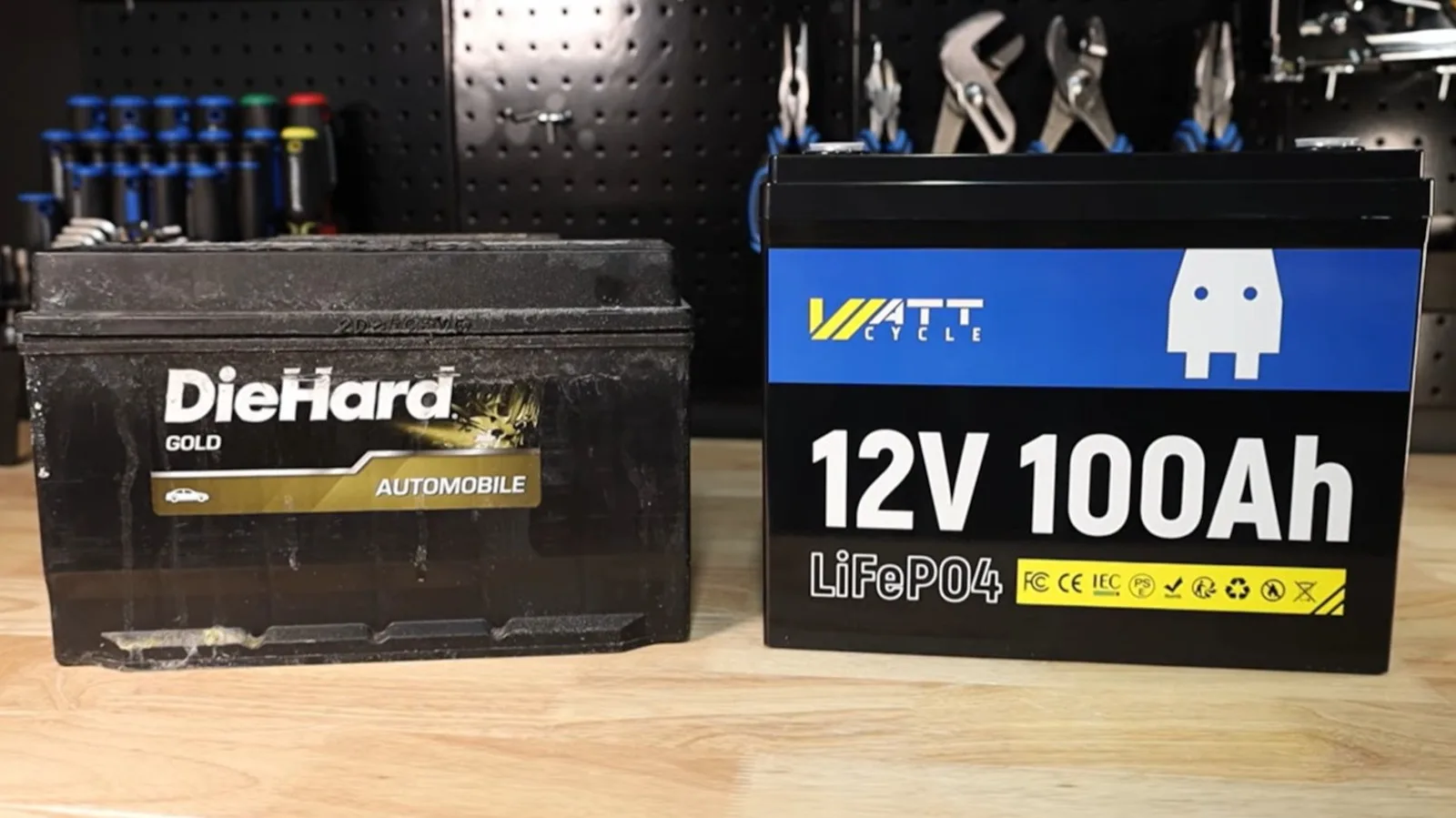
Lithium starter batteries are gaining traction as a replacement for traditional lead-acid units, but are they worth the switch?
Here’s a detailed breakdown of the key advantages and drawbacks based on real-world use and technical specs.
Lithium batteries, particularly lithium iron phosphate (LiFePO4) variants, offer several compelling benefits over lead-acid batteries.
First, they’re significantly lighter—often weighing 50% to 80% less—making them ideal for performance builds or tight engine bays where space is at a premium.
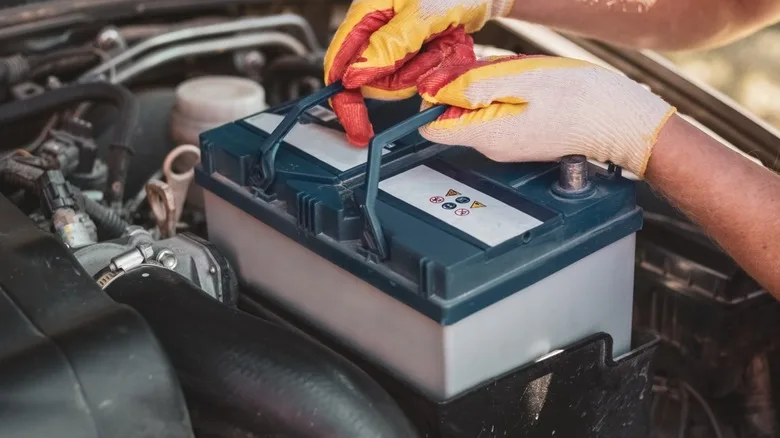
Their sealed design eliminates leaks and allows for flexible mounting positions, a stark contrast to lead-acid batteries, which can corrode and require upright installation.
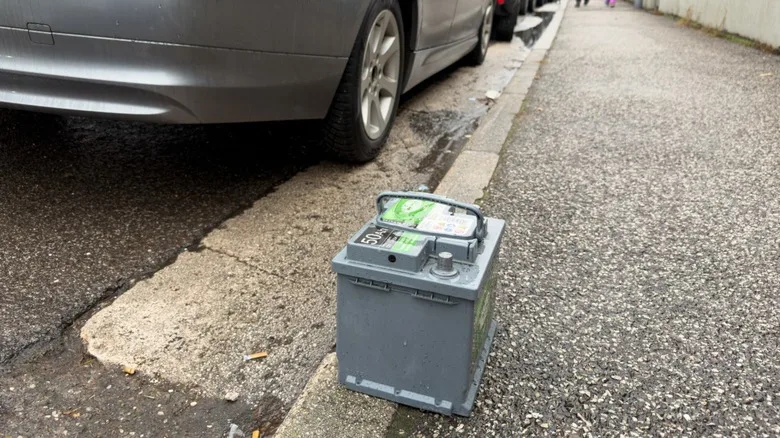
Environmentally, LiFePO4 batteries are far less toxic, avoiding the sulfuric acid and heavy metals found in lead-acid units, which can contaminate soil and water. Lithium batteries also boast a much longer lifespan.

While a standard lead-acid battery lasts 1 to 3 years or 750 to 1,900 cycles, a LiFePO4 battery can endure 5 to 10 years or 2,000 to 3,000 cycles.
They handle deeper discharges (up to 80% or more) without damage, charge up to four times faster, and lose only 10% of their charge after five years of storage—compared to lead-acid batteries, which lose that much charge monthly. However, lithium batteries aren’t without their downsides.
They struggle in extreme temperatures: most won’t charge below 32°F (0°C) or above 113°F (45°C), risking permanent damage if forced.

Some manufacturers, like Battle Born and EarthX, have introduced heated solutions to mitigate this, but cold-weather performance remains a limitation.
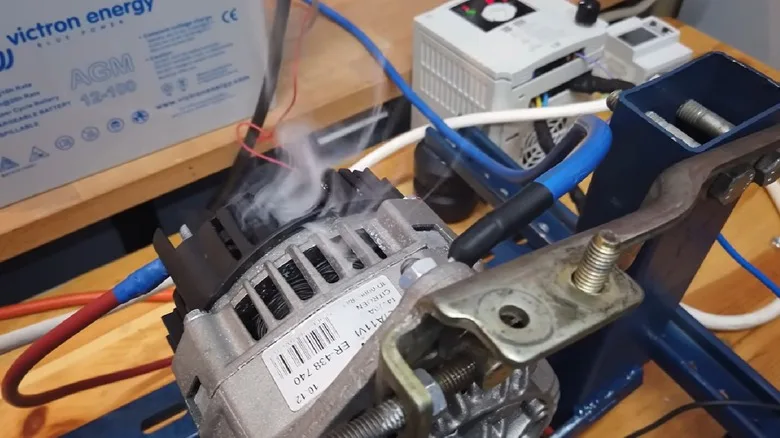
Upfront costs are another hurdle—lithium batteries are far more expensive than lead-acid units, and retrofitting may require additional components like a new alternator or voltage regulator to handle the different charging characteristics. Whether a lithium starter battery is right for you depends on your priorities.
Racers and custom builders will appreciate the weight savings and compact size, while eco-conscious drivers may favor the reduced toxicity of LiFePO4.
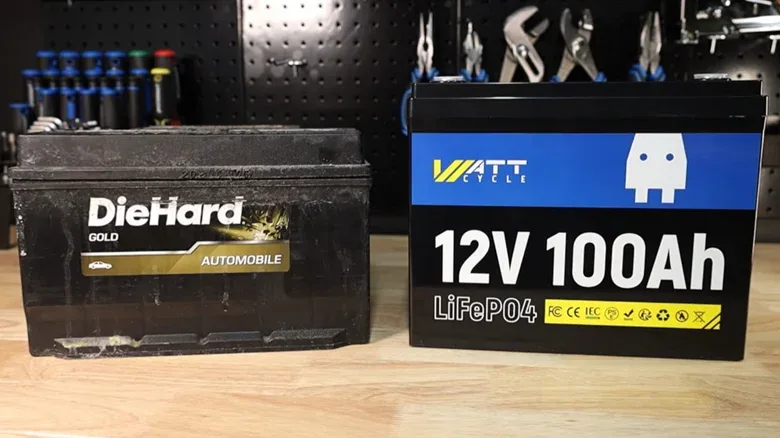
But if you live in a freezing climate or prioritize low upfront costs, a lead-acid battery might still be the practical choice. Always check compatibility with your vehicle’s electrical system before making the switch.


📱 Follow our Telegram channel for daily updates
Source: Jalopnik (Auto Culture & Tuning) (jalopnik.com)