🔔 Read us on Telegram — don’t miss the latest automotive news → t.me/motorhub_en
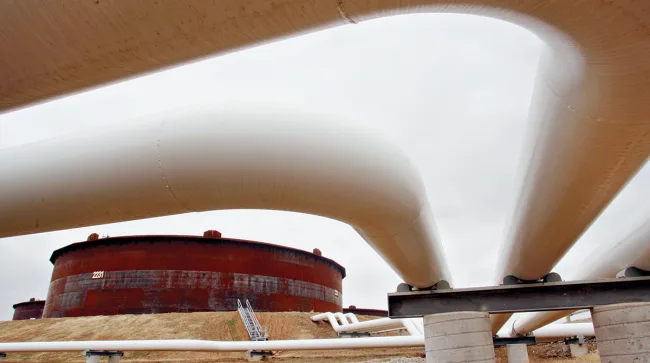
Crude oil inventories at Cushing, Oklahoma—the U.S.’s largest commercial storage hub—have plummeted for eight consecutive weeks, dropping to roughly 20 million barrels, a level traders consider the operational minimum. Government data published June 17, 2026, confirms the decline, leaving the facility with less than two days’ worth of U.S. crude production in reserve. The drawdown reflects soaring domestic demand and record exports, as the U.S. fills a supply gap created by disruptions in Persian Gulf crude shipments amid the Iran conflict. Global oil markets have lost about 20% of shipments through the Strait of Hormuz, forcing Washington to release 172 million barrels from the Strategic Petroleum Reserve to stabilize fuel prices. The reserve now sits at roughly 340 million barrels, the lowest since 1983. Cushing’s role as the “Pipeline Crossroads of the World”—connecting Canadian, Texan, and North Dakota oil fields to Gulf Coast and Midwest refineries—remains critical despite the U.S. lifting its crude export ban in 2015. With inventories nearing the suction line threshold of 20 million barrels, extracting oil becomes increasingly difficult and risks contamination from water and sediment. The tight supply has tightened the spread between near-term U.S. crude futures contracts, a condition known as backwardation, signaling persistent regional scarcity. Midwest refineries processed a record volume of oil last week, underscoring domestic demand even as export flows may ease following a potential U.S.-Iran peace deal. Oil prices edged higher on June 17 after two days of sharp declines, though pressure persists from the pending interim accord.
📱 Follow our Telegram channel for daily updates
Source: Transport Topics — Michelin & Tires (EN) (ttnews.com)