🔔 Read us on Telegram — don’t miss the latest automotive news → t.me/motorhub_en
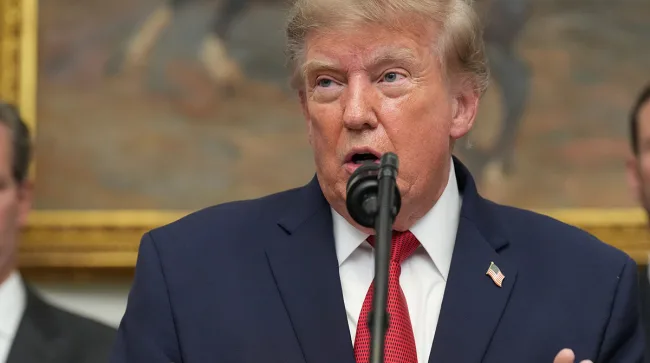
The six-month mark of the U.S.-Iran war is approaching as President Donald Trump ramps up economic pressure on Tehran with an expanded sanctions campaign, including potential secondary penalties for nations and companies that continue to engage with Iran. Trump warned of an “economic D-Day” against Iran, vowing to isolate the country further and force it to reopen the Strait of Hormuz to oil and natural gas tankers while halting its nuclear program. The administration’s strategy, dubbed Operation Economic Fury, builds on decades of U.S. sanctions that have failed to curb Iran’s behavior, critics argue, while supporters claim the current campaign could succeed where past efforts fell short. Treasury Secretary Scott Bessent threatened secondary sanctions against countries and businesses that defy the new measures, singling out major buyers of Iranian oil such as China and India. Iranian Foreign Minister Abbas Araghchi dismissed the strategy as ineffective, posting on X (formerly Twitter) a history of failed U.S. sanctions efforts, writing, “We have seen this movie before. Same bull. Different bullies.” The escalation comes as Iran faces diminishing weapon stockpiles and increasing isolation, including a recent decision by the United Arab Emirates to suspend trade with Tehran following an alleged missile attack. Analysts are divided over whether the new sanctions will force Iran’s hand or further entrench its defiance. Richard Goldberg, a former Trump administration official now at the Foundation for Defense of Democracies, argued that the combination of U.S. strikes on Iran’s nuclear sites, the ongoing war, and a naval blockade has created unprecedented pressure that could lead to regime change. However, others caution that the administration is repeating past mistakes, noting that secondary sanctions are difficult to enforce without harming U.S. interests or provoking retaliation. The Trump administration’s push for an “economic D-Day” reflects the urgency it feels to end a conflict that has become increasingly unpopular ahead of pivotal midterm elections.
📱 Follow our Telegram channel for daily updates
Source: Transport Topics — Michelin & Tires (EN) (ttnews.com)