🔔 Read us on Telegram — don’t miss the latest automotive news → t.me/motorhub_en
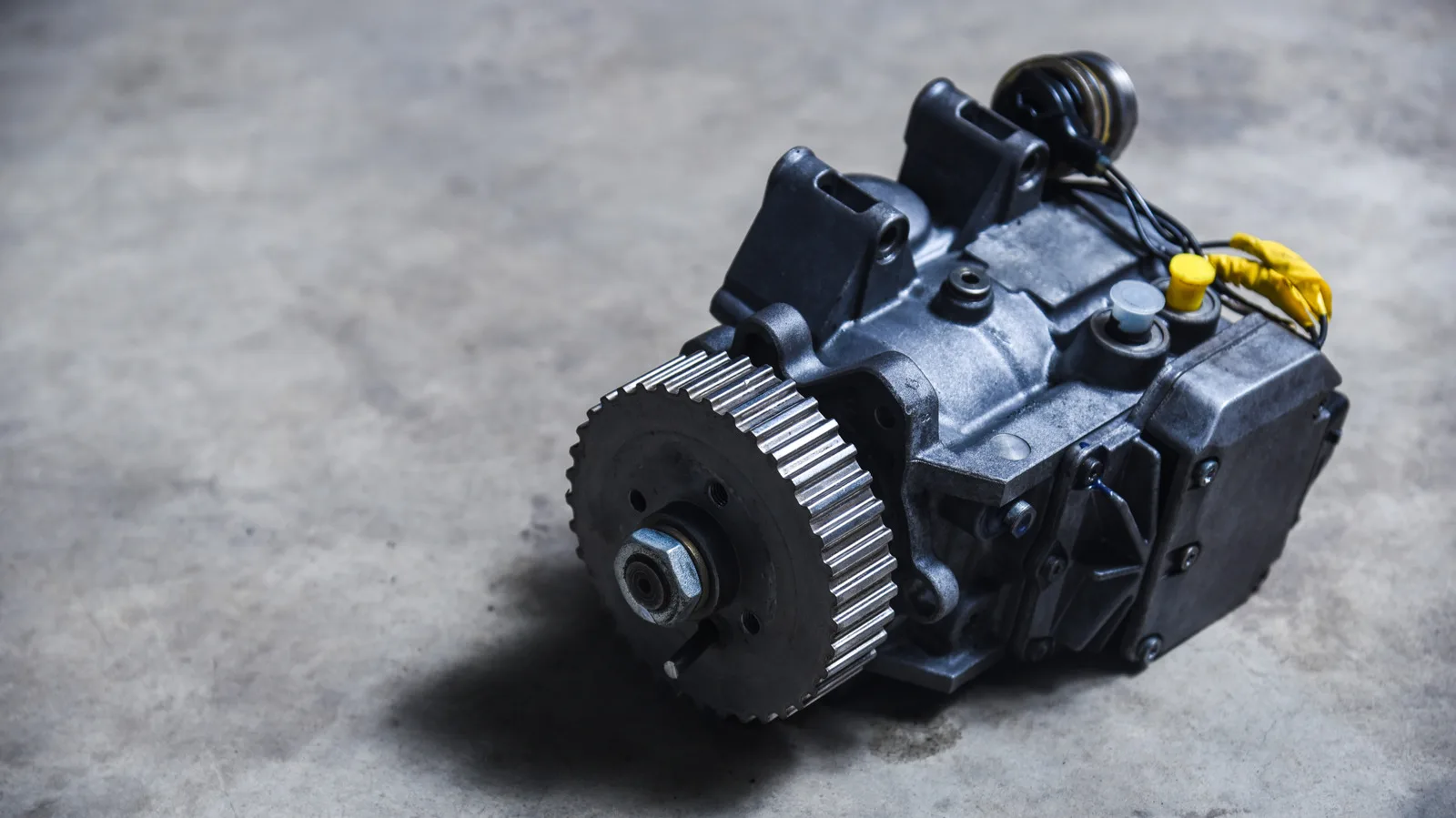
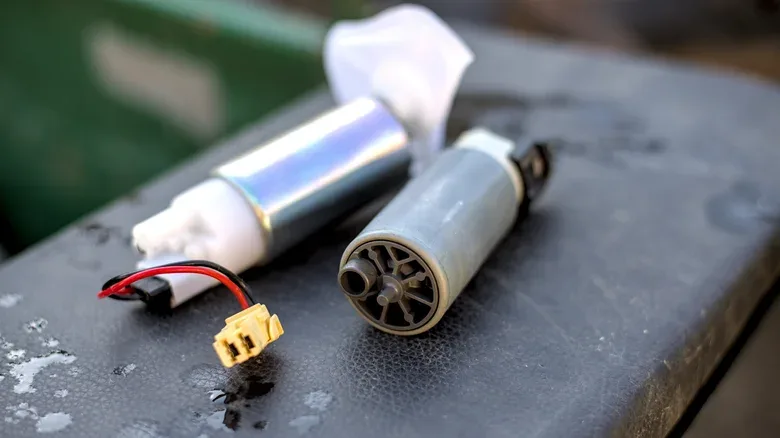
A fuel pump is the unsung hero of your car’s operation—until it fails. This critical component, whether mechanical or electric, ensures gasoline flows from the tank to the engine, acting like the heart in your vehicle’s circulatory system. Modern cars rely on electric fuel pumps, which are submerged in the gas tank and rely on fuel for cooling and lubrication.
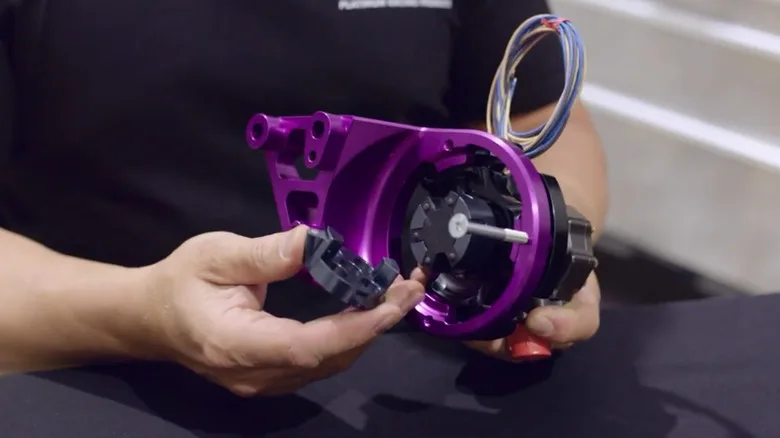
When they start to go bad, they don’t go quietly. The most obvious red flags include a noticeable drop in power, stalling, or difficulty starting the engine. You might also experience erratic acceleration, surging speeds, or a sudden dip in fuel economy.
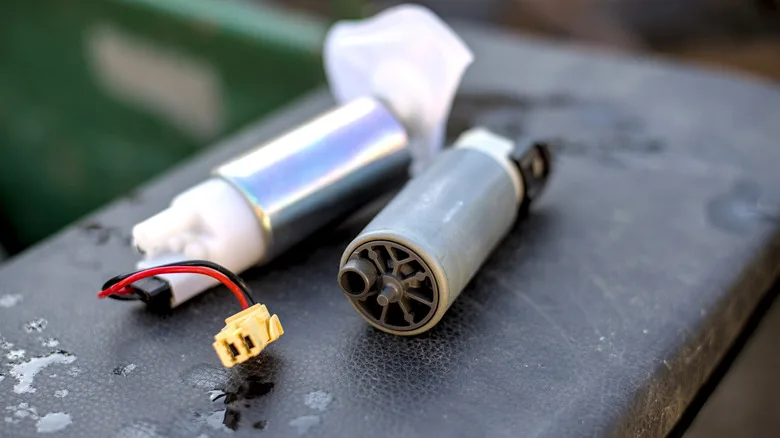
Under the hood, telltale sounds like backfires, popping, or coughing can signal a lean air-fuel mixture caused by insufficient fuel delivery. Conversely, a faulty fuel pressure sensor can flood the engine with too much fuel, leading to erratic revving or wasted gasoline. Even the check engine light can flash as a warning, though it may return after being reset if the issue persists.
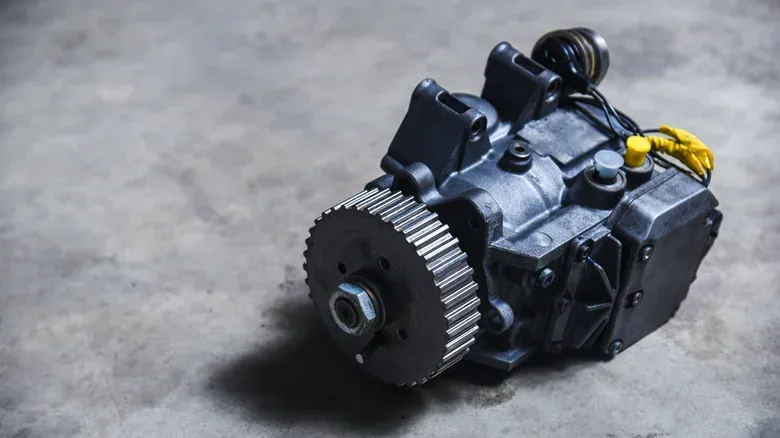
Ignore these signs for too long, and the pump could fail entirely, leaving your engine dead in its tracks. Fuel pumps are built to last, often surpassing 100,000 miles, but their lifespan depends on proper maintenance. Running the tank too low starves the pump of the fuel it needs to stay cool and lubricated, increasing the risk of overheating.
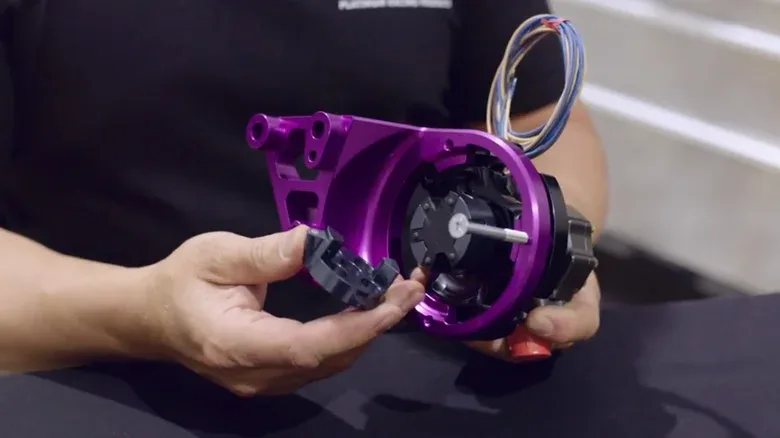
A clogged fuel filter forces the pump to work harder, accelerating wear and tear. Contaminants in the fuel can also damage the pump, as they pass through it before reaching the filter. When a pump does fail, repairs are rarely an option.
Most are designed as sealed, replaceable units, with replacement costs typically ranging from $1,000 to $1,300 on modern vehicles. The complexity of these components means even minor issues can cascade into major failures, making replacement the safest bet. Whether your car uses a modern electric pump or an older mechanical design—driven by the engine’s camshaft—the signs of failure are hard to miss once you know what to look for.
📱 Follow our Telegram channel for daily updates
Source: Jalopnik (Auto Culture & Tuning) (jalopnik.com)