🔔 Read us on Telegram — don’t miss the latest automotive news → t.me/motorhub_en
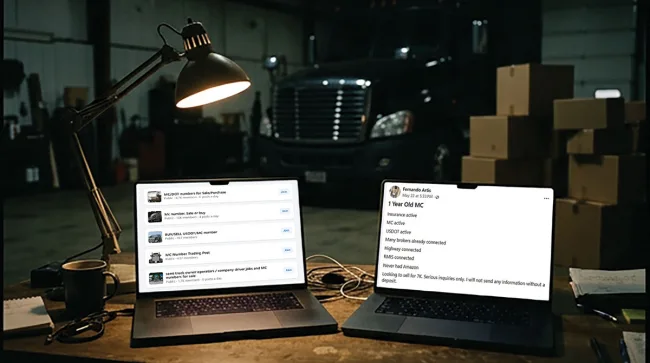
Fraud now accounts for roughly 45% of cargo theft cases, often involving scammers impersonating legitimate carriers to hijack high-value freight. Standard broker vetting—checking active authority, valid insurance, clean safety records, and verified contact details—is increasingly failing because fraudsters hijack existing carrier identities, including MC numbers, phone lines, email addresses, and FMCSA credentials. These “ghost carriers” inherit the digital footprint of real companies, making them appear legitimate until they vanish with cargo. Criminals target carriers nearing insurance expiration, offering buyouts as low as a few thousand dollars to acquire authority and digital assets. Once in control, they secure loads, often double-brokering shipments to obscure the trail. In one case, credentials from Hilder Herd Transport were used to steal $3.5 million worth of computer equipment. The theft involved a complex chain: the load was double-brokered, redirected from Cincinnati to Anaheim, and transloaded to another truck on a public street. Brokers rely on static vetting systems ill-equipped to detect rapid identity shifts, leaving them vulnerable to fraud rings exploiting real-time loopholes. Regulators are responding: the FMCSA issued a March bulletin warning against buying, selling, or leasing USDOT or MC numbers as part of its Registration Modernization initiative, which may eventually replace MC numbers with USDOT identifiers. Yet enforcement remains inconsistent, and the line between legitimate asset sales and fraudulent transfers is often blurred. Brokers are now shifting toward continuous, load-level monitoring to catch suspicious behavior mid-transit, but the window for detection is narrow. The scam’s speed—from load acceptance to disappearance in hours—highlights the urgent need for more dynamic vetting and real-time verification in an industry where trust is built on outdated data.
📱 Follow our Telegram channel for daily updates
Source: Transport Topics — Michelin & Tires (EN) (ttnews.com)