🔔 Read us on Telegram — don’t miss the latest automotive news → t.me/motorhub_en
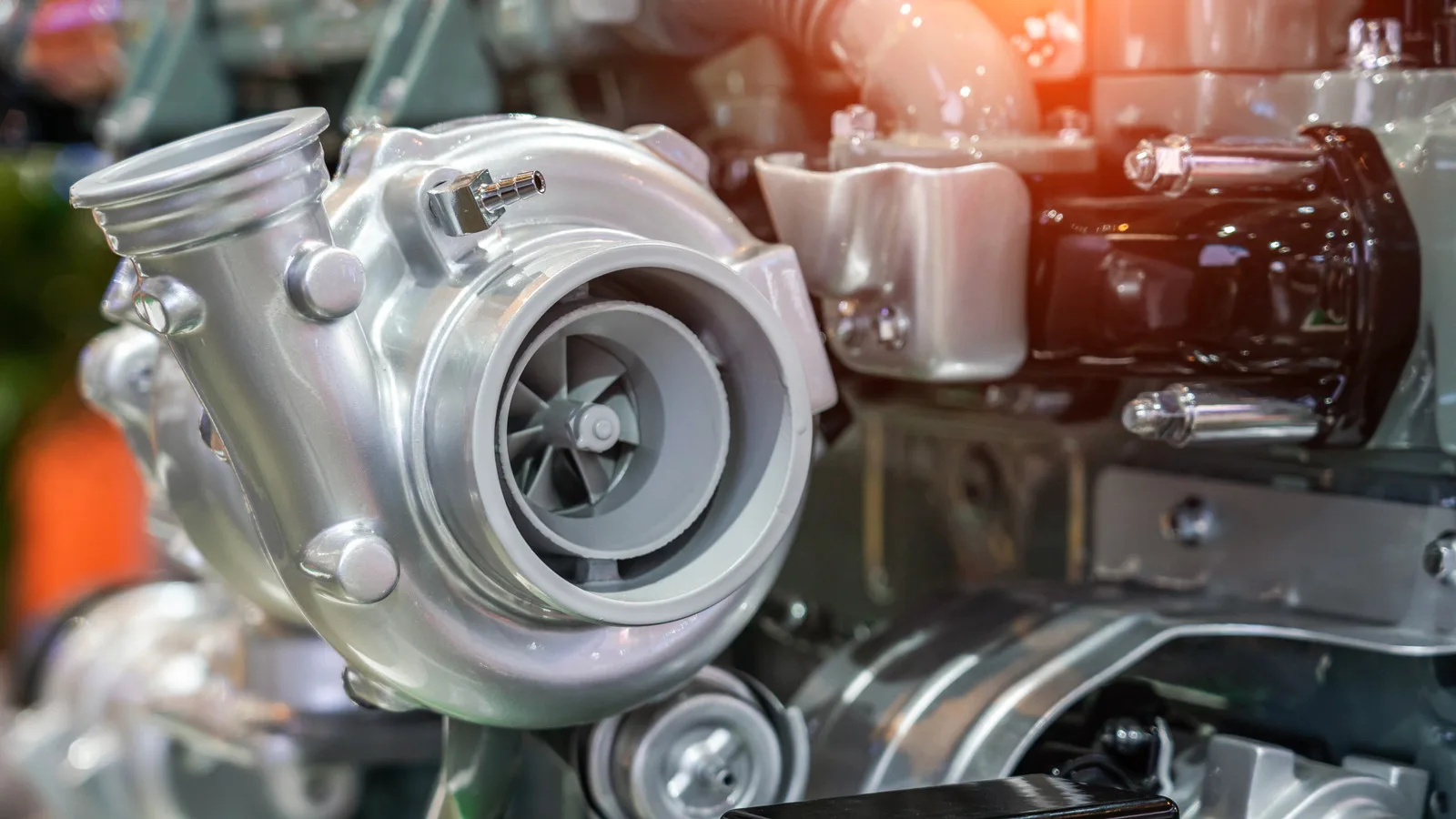
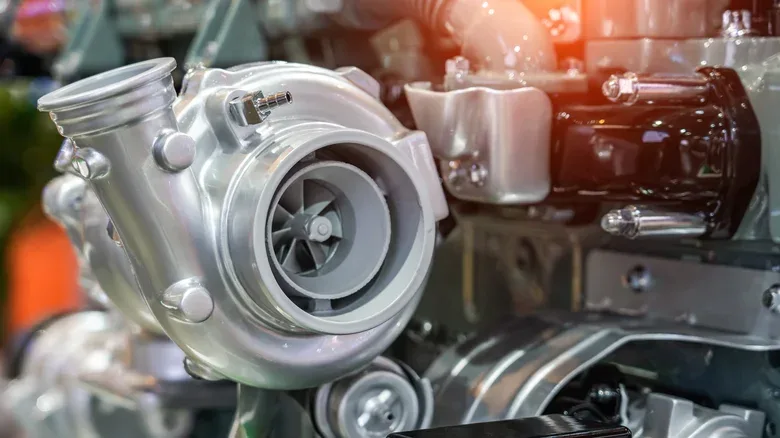
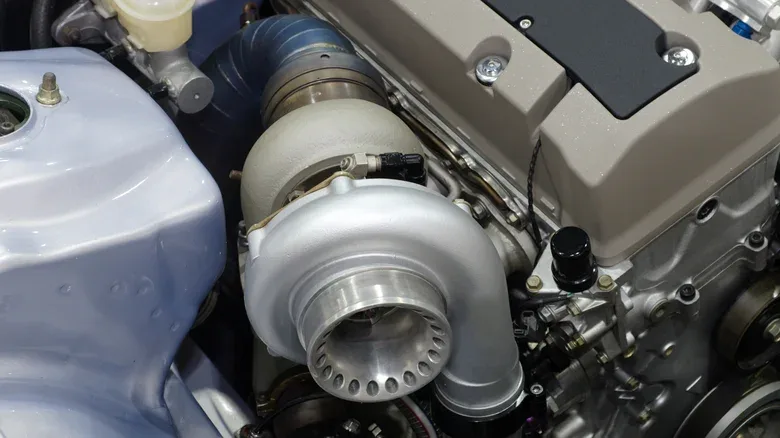
The difference between manufacturer-installed (OEM) turbos and aftermarket turbos goes beyond their origin. Quality control, warranty, and after-sales care are significant factors.
OEM turbos are covered under the automaker’s warranty, while aftermarket parts have varying warranties and build qualities. Price is also a consideration, with OEM parts typically being more expensive. However, aftermarket options can offer customization and higher power outputs.
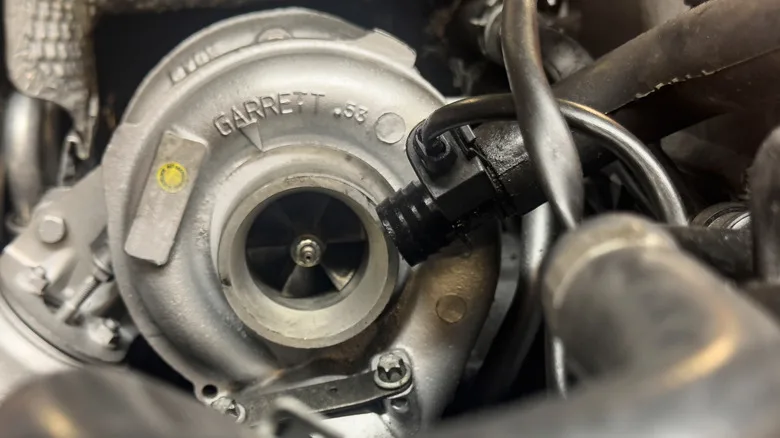
For example, a Ford 3.5-liter EcoBoost-powered 2018 F-150’s right-hand turbocharger costs $1,167.83 from Ford, while an aftermarket variant on eBay costs $279.97. Despite the lower price, the aftermarket turbocharger’s quality and longevity may be compromised.
Enthusiasts report that factory turbochargers can last 100,000 miles or more with proper maintenance, while some aftermarket turbos may fail after six months.
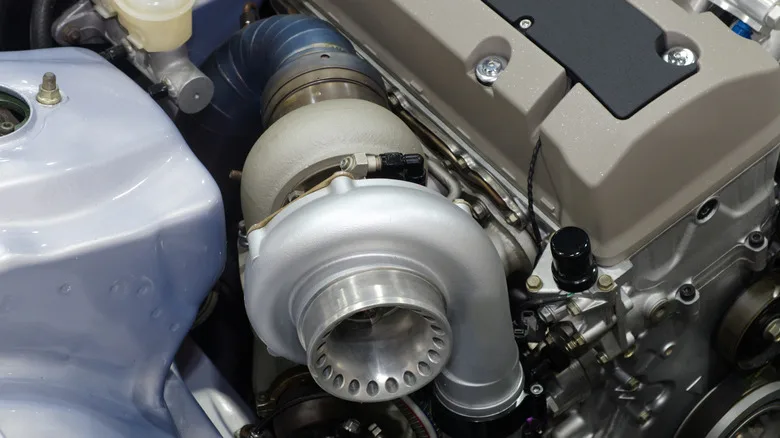
Aftermarket turbochargers can offer performance-oriented parts, such as dual ceramic ball bearings and billet compressor wheels, which can improve efficiency and durability. However, these high-performance units come at a higher price.
Ultimately, the choice between OEM and aftermarket turbos depends on the owner’s priorities, with factory-supplied units offering peace of mind and aftermarket options providing customization and potential performance gains.
📱 Follow our Telegram channel for daily updates
Source: Jalopnik (Auto Culture & Tuning) (jalopnik.com)