🔔 Read us on Telegram — don’t miss the latest automotive news → t.me/motorhub_en
The EV revolution is in full swing, but not every company attempting to build one is cut out for the job. From tech giants to toolmakers, the automotive world has seen its fair share of misfires—like Jony Ive’s Ferrari Luce, which proved that designing a car isn’t as simple as it looks, even for legends. So, who *should* try their hand at building an EV? We asked our readers, and the responses ranged from the wildly impractical to the surprisingly plausible. Here’s the shortlist of companies that might just pull it off.
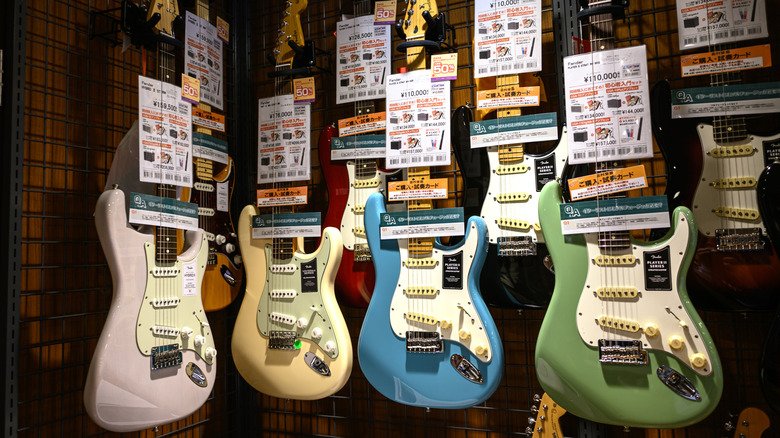
Fender Guitars: Picture a car that looks like it rolled out of a 1953 hot rod shop, signed by a single California-based artisan. Every frame is a collector’s item, tech stays frozen in time, and every year brings a “totally new” reissue of last year’s model. It’s a recipe for nostalgia, not innovation—but hey, at least it’s stylish.

IKEA: The Swedish flat-pack giant could turn the EV market on its head by building a practical, slightly underpowered plastic alternative to the Slate. Think flat-pack assembly, fun design cues, and customization options that let you tweak your ride like you would a Billy bookcase. Bonus: no trucks or crossovers allowed.
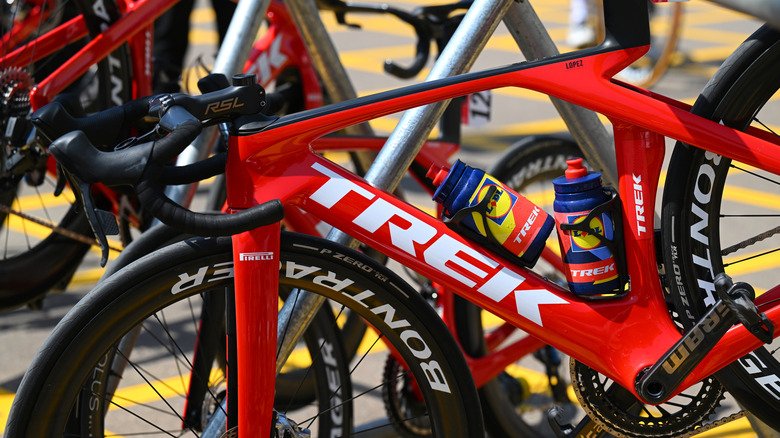
Trek & Shimano: If anyone understands lightweight engineering, it’s bike builders. Trek’s carbon fiber expertise and Shimano’s drivetrain mastery could combine to create an EV lineup where the entry-level model starts at $25,000 with an aluminum frame and plastic body, while the pro version—all carbon fiber and 30% lighter—runs $50,000. Range? Maximized by shedding weight. Practicality? Check.
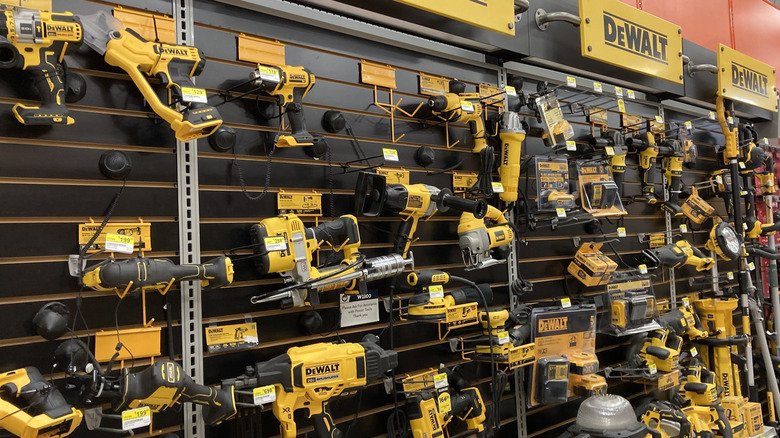
DeWalt: Imagine an electric truck built for contractors, with a massive battery that doubles as an on-site power source for tools, storage for lumber, and a hose-out interior. Swap out 200 60V battery packs like you would drill bits, and you’ve got a workhorse that looks like it rolled off a Caterpillar assembly line.

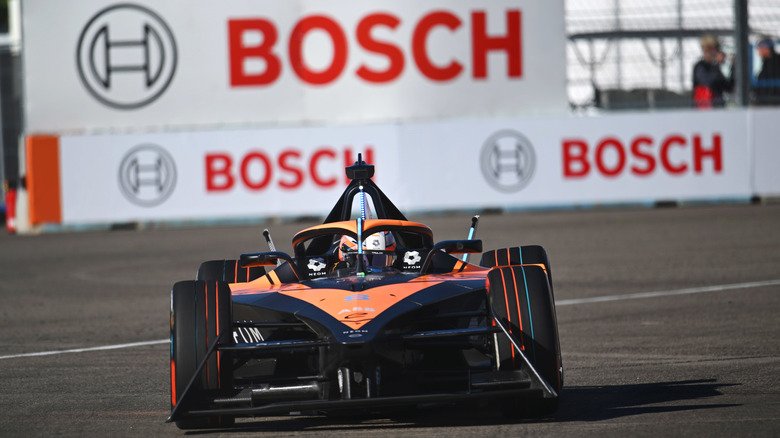
Bosch: Not the sexiest pick, but reliability is their game. Bosch’s eBike drive units are industry-leading, and their tools are legendary. If anyone can build an EV that *just works*—and stands by it with top-tier support—it’s them.
Costco: The subscription model king could finally get it right with an EV that’s practical, affordable, and bulletproof. Forget the fine print—Costco’s warranty covers *everything*, even if you accidentally pour gasoline into the charging port. Practicality? Price? Reliability? They’d nail all three.

Frito-Lay: If they can perfect a corn chip with three ingredients, why not a simple, no-frills EV? Think Slate, but without Jeff Bezos’ ego. A straightforward, inexpensive ride that does the basics well.
Temu: The ultra-budget kingpin of online retail could build the cheapest car imaginable—$900, with questionable parts and a sales pitch that lies through its teeth about colors and features. If it’s a disaster, it’s not a huge loss.
Sega: Because who wouldn’t want to see the iconic racing arcade cars of the late ’80s and early ’90s become real? If anyone can capture that pixel-perfect charm in metal, it’s the folks who made *Out Run* and *Daytona USA* legendary.
The Trump Organization: A luxury EV would fit right into their portfolio of high-end products—real estate, steaks, crypto, and now, electric cars. It’s a stretch, but so is everything else on this list.
The takeaway? Some of these ideas are brilliant. Some are bonkers. But if even one of these companies could pull off a competent EV, it’d be a win for the industry. The question isn’t *who* should try—it’s whether any of them can do better than the established automakers already struggling to get it right.


📱 Follow our Telegram channel for daily updates
Source: Jalopnik (Auto Culture & Tuning)
Source: Jalopnik (Auto Culture & Tuning) (jalopnik.com)