
🔔 Read us on Telegram — don’t miss the latest automotive news → t.me/motorhub_en
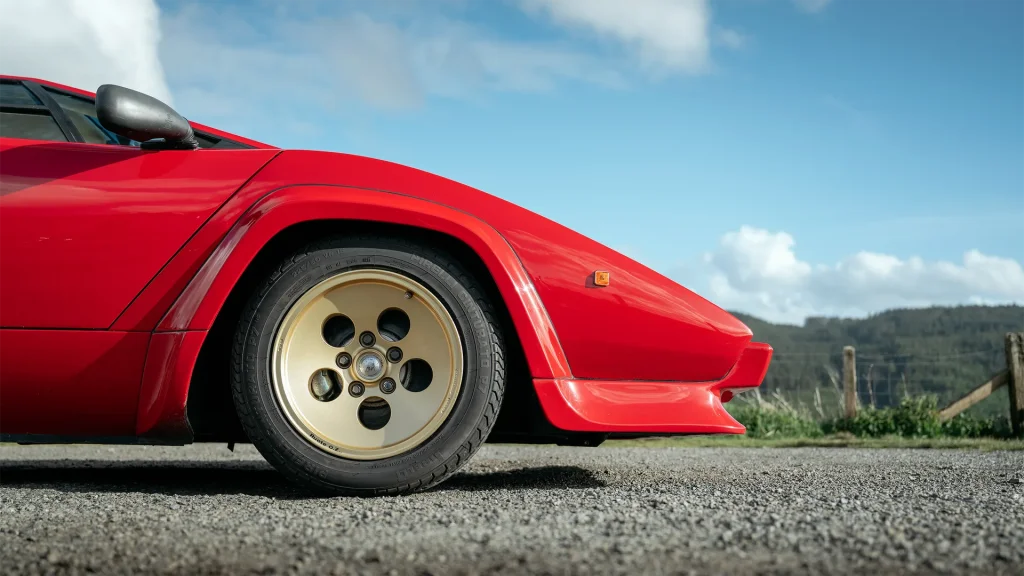
When people picture a supercar, the image that almost certainly comes to mind is the Lamborghini Countach. Launching in 1974, it defined the entire genre, though by the time the fussy Anniversary edition arrived in 1990, Lamborghini had perhaps lost sight of the unadorned original design. Originally conceived as a styling exercise, the Countach was adapted for the public highway, its tubular steel chassis and alloy body driven by a passion for high performance and motorsport. Moving away from the transverse motor of the Miura, the V12 was mounted longitudinally with double wishbones at each corner. By the time it evolved into the Quattrovalvole (QV) version, it had grown taller and more habitable, allowing adults to sit upright in the cabin.
Climbing into the Countach still shocks drivers with the rake of its windscreen and the depth of its dashboard. The clutch, steering, and gearshift are heavy and require a proper workout and finesse, meaning the car initially feels like it gets in the way of itself. With familiarity, drivers find more confidence and fluidity, though the car always demands attention and effort.
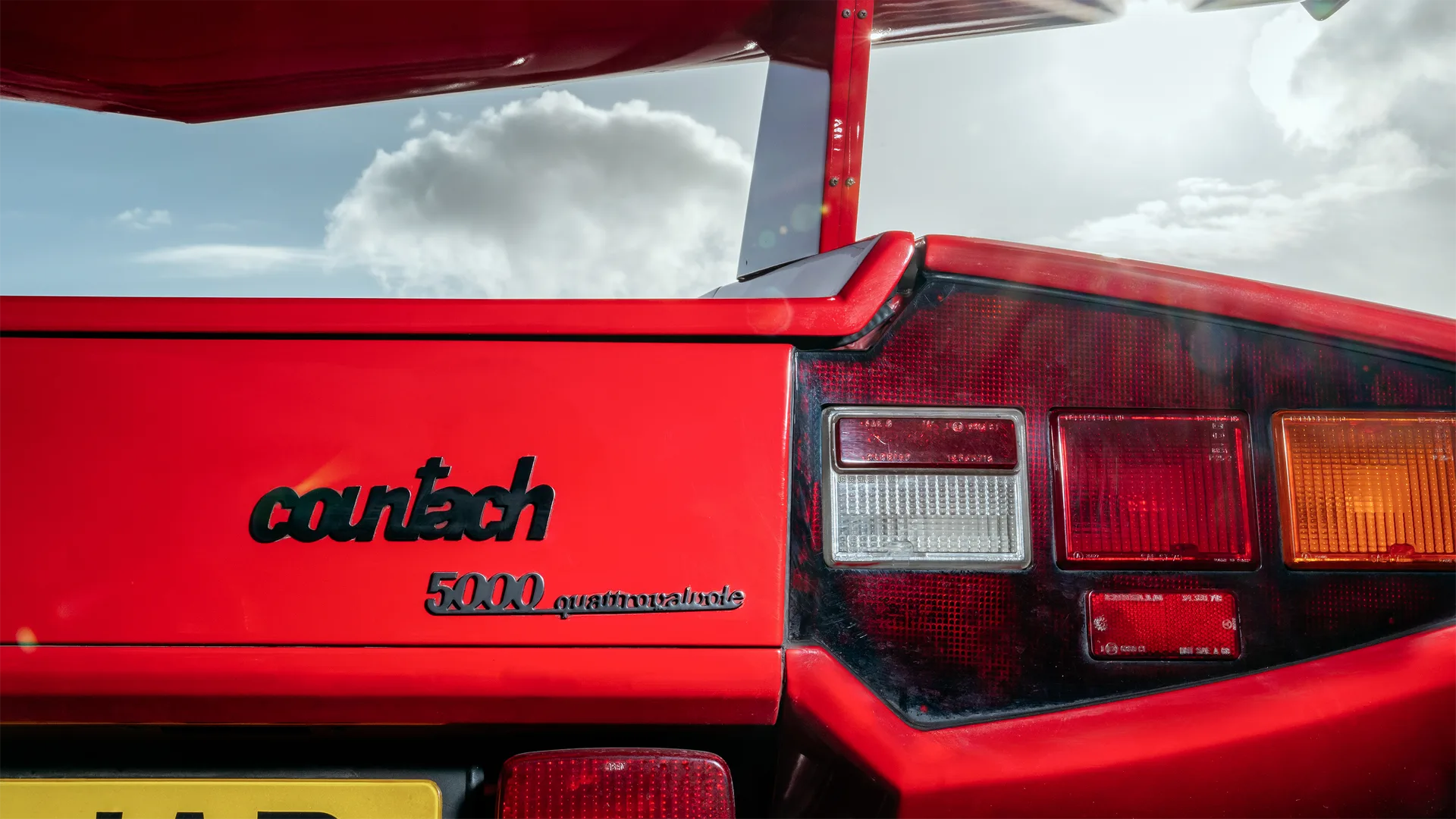
The 5.2-litre V12 engine is a force of nature. Featuring four valves per cylinder and topped by a bank of six downdraft Weber carburettors—which necessitated a raised engine deck—the powerplant generates 450bhp at 7000rpm and 369lb ft of torque at 5200rpm. US-market models featured fuel injection and were down on power compared to the Euro-spec version. Behind the bulkhead, the engine delivers a full orchestral symphony of mechanical and respiratory noises as it works through the rev-range.
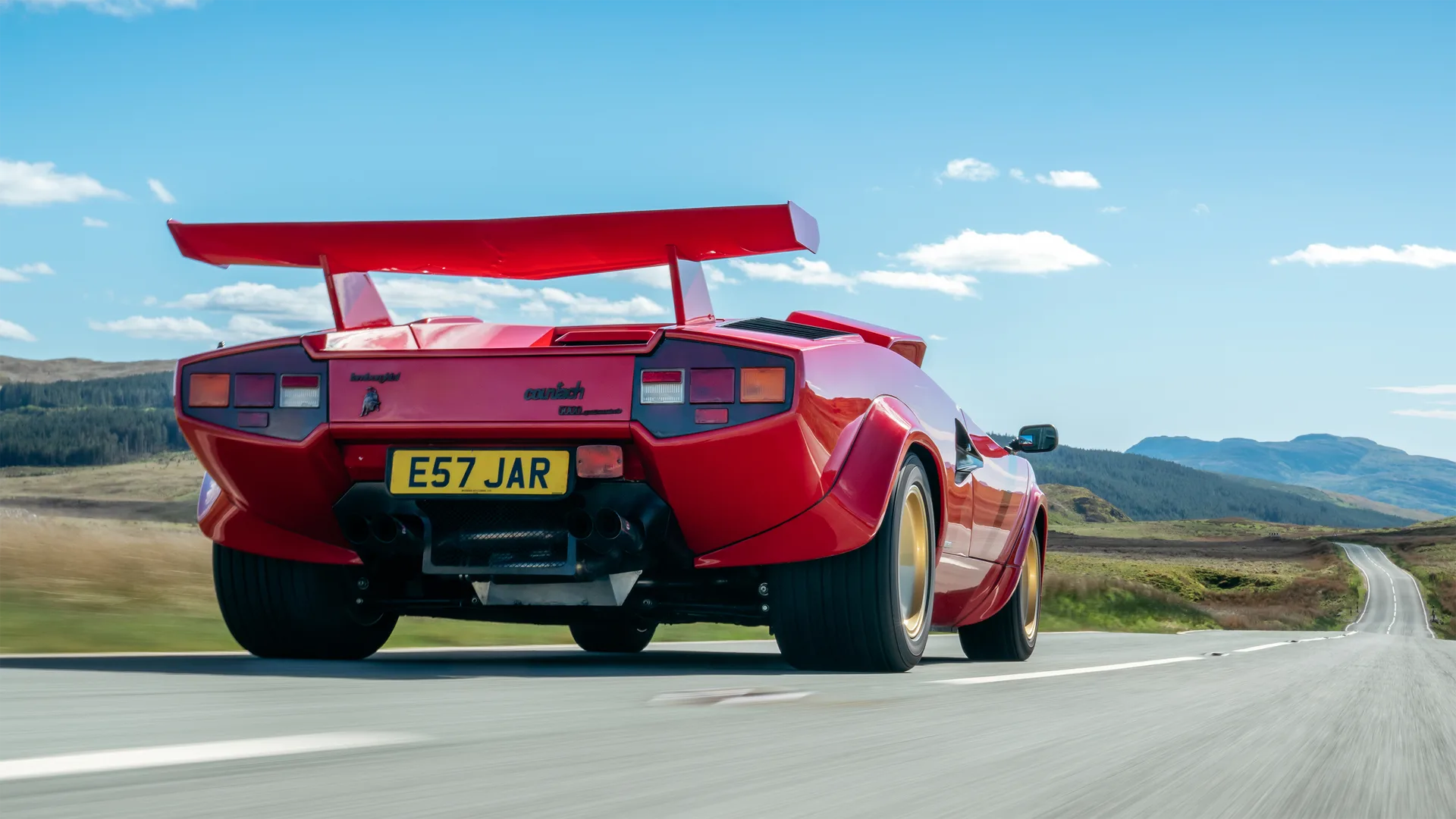
On the road, the QV requires careful planning. Drivers must slow down, turn in, and hold fast against the building steering weight to maintain a smooth line. While the heavy steering is relatively precise for a 1980s supercar and the rose-jointed suspension gives it a raw edge with decent grip and feel, the limit is not a place to explore casually. The brakes are a notable limitation; the cotton-reel wheels leave no room for large rotors, and cooling is compromised. While the middle pedal offers meaty resistance and decent stopping power in general use, sustained aggressive driving causes the pedal to get squidgy and the brakes to grumble.
Values have soared significantly over the years. While a tidy Countach QV could be picked up for around £70k some fifteen years ago, buyers now pay at least £500k, and often much more for well-maintained examples with good provenance. This sits around four times higher than its period rival, the Ferrari Testarossa, driven by the Lambo’s unparalleled icon status. Technical specifications include a V12 displacement of 5167cc, a weight of 1490kg, a power-to-weight ratio of 310bhp/ton, Pirelli Cinturato P7 tyres, a 0-60mph time of 4.2 seconds, and a top speed of 185mph. The basic price when new in 1985 was £82,000, equivalent to roughly £261,000 in today’s money.
📱 Follow our Telegram channel for daily updates
Source: evo