🔔 Read us on Telegram — don’t miss the latest automotive news → t.me/motorhub_en
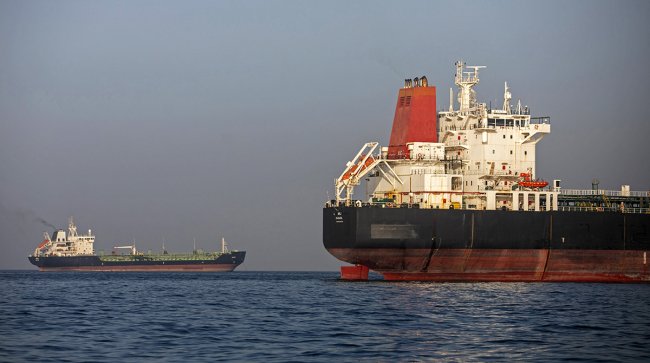
About one-quarter of the massive oil tankers trapped in the Persian Gulf when hostilities erupted between Iran and a U.S.-Israeli coalition in late February have now escaped the Strait of Hormuz, according to shipping data compiled by Bloomberg. Twenty-nine of the 109 very large crude carriers—vessels capable of hauling 700,000 barrels or more—have successfully transited the critical chokepoint, despite ongoing sporadic rocket fire and the threat of further conflict. The Strait of Hormuz, which normally handles roughly one-fifth of the world’s oil supply, was effectively closed by Tehran in the immediate aftermath of the February 28 strikes, and Washington retaliated with a blockade on Iranian oil shipments in mid-April. The slow, stealthy exodus has been driven by desperate market conditions: global inventory buffers are shrinking at a record pace, and the cargoes that have made it out have been snapped up immediately. Many ships have resorted to unconventional tactics, including switching off their Automatic Identification System (AIS) transponders to avoid detection and making the crossing under cover of darkness.
Some governments have even lobbied on behalf of their vessels to secure passage. The actual number of successful transits may be higher, as nearly 20% of the remaining tankers have not transmitted location signals this month, and widespread signal interference has further clouded tracking efforts. Iran-linked ships were excluded from the count, as they retained free passage through Hormuz until mid-April, though most did not broadcast positions even before the conflict. The oil volumes moving through the strait remain modest—around 520,000 barrels per day—a fraction of the crude and products still locked inside the Gulf. This flow is also dwarfed by the volumes being diverted via alternative pipelines by Saudi Arabia and the United Arab Emirates to bypass the strait entirely.

Still, the successful transits free up a portion of the global fleet that could return to the Gulf once a peace agreement is reached, potentially accelerating the resumption of normal operations. The diplomatic process offers a glimmer of hope: a preliminary deal to extend a 60-day ceasefire and discuss Iran’s nuclear program has raised hopes for a resolution to a conflict that has killed thousands and roiled the global economy. Whether traffic through Hormuz increases will depend on the outcome of these negotiations. Meanwhile, Iran has attempted to impose a de facto toll on ships transiting its waters, reportedly demanding fees of up to $2 million per vessel between its Larak and Qeshm islands. It remains unclear how many shipowners have complied.
The category of ships most closely monitored includes very large crude carriers (VLCCs), Suezmaxes, and Aframaxes—vessels critical to global oil logistics. Their movements are being watched as a bellwether for the broader energy market’s recovery from the crisis.
📱 Follow our Telegram channel for daily updates
Source: Transport Topics — Michelin & Tires (EN)
Source: Transport Topics — Michelin & Tires (EN) (ttnews.com)