🔔 Read us on Telegram — don’t miss the latest automotive news → t.me/motorhub_en
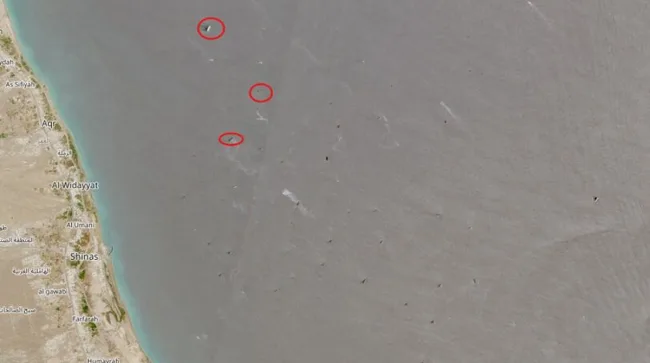
Global oil markets are getting a lifeline from covert ship-to-ship transfers off the coast of Oman, where satellite data shows 12 cargo switches occurred on August 10 alone. These transfers are keeping millions of barrels flowing despite recent attacks on tankers in the Strait of Hormuz, a critical chokepoint for Middle East crude exports. At least four outbound supertankers carrying 8 million barrels of crude have reappeared after transiting Hormuz since August 8, according to vessel-tracking data from Bloomberg, Kpler, and Vortexa. The transfers and shuttle movements are easing supply disruptions and restraining price spikes amid ongoing regional conflict. The United Arab Emirates’ main oil company reported that 15 of its ships have been attacked during the conflict, with another vessel hit over the weekend. High freight rates and additional services have boosted earnings for Abu Dhabi National Oil Co.’s shipping arm, which is actively moving oil out through Hormuz despite the risks. Many vessels are using a route hugging Oman’s coastline, often under U.S. military escort. The status of Hormuz remains a major sticking point in Iran war negotiations, with Tehran demanding authority over vessel passage and tolls, while the U.S. enforces a blockade on Iranian ships. Tanker earnings on benchmark routes have surged to nearly $500,000 per day, reflecting the limited pool of shipowners willing to risk entering the Persian Gulf amid continued attacks.
📱 Follow our Telegram channel for daily updates
Source: Transport Topics — Michelin & Tires (EN) (ttnews.com)