🔔 Read us on Telegram — don’t miss the latest automotive news → t.me/motorhub_en
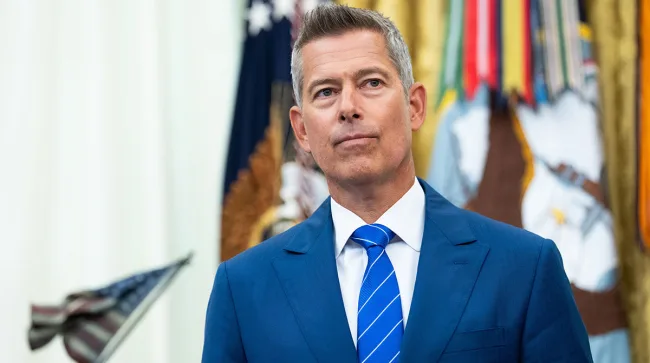
The Federal Motor Carrier Safety Administration (FMCSA) has proposed a rule to permanently codify English-language proficiency (ELP) standards for commercial drivers, a move it estimates could remove 9,000 drivers from service annually. The proposal, announced by Transportation Secretary Sean Duffy on August 10, 2026, aims to reverse a 2016 Obama-era policy that no longer required roadside inspectors to automatically place drivers out of service for failing English-proficiency tests. Under the new rule, drivers unable to read English highway signs or communicate in English would be barred from operating commercial vehicles. Duffy framed the change as closing a “dangerous loophole” that endangered public safety, stating that federal law already requires drivers to understand English to operate 80,000-pound vehicles. The rule would align FMCSA guidance with existing Commercial Vehicle Safety Alliance (CVSA) out-of-service criteria and impose a unified standard for states to enforce ELP requirements. It also targets enforcement along the U.S.-Mexico border, where drivers lacking sufficient English skills would be stopped and barred from entering U.S. highways. The FMCSA estimates that 100 federal and 1,900 state enforcement personnel in border zones would need training—delivered via one-hour online sessions—to identify non-compliant drivers. The 35-page notice of proposed rulemaking has been published in the Federal Register, with public comments now open. Several states, including Alabama, Iowa, South Dakota, Utah, and Wyoming, have already enacted ELP legislation this year. Pennsylvania is considering House Bill 2723, introduced in July by Rep. Brenda Pugh, which seeks to reinforce federal ELP mandates and strengthen licensing verification processes. Pugh emphasized that English proficiency is critical for commercial drivers to read signs, follow emergency detours, and communicate with law enforcement and emergency responders.
📱 Follow our Telegram channel for daily updates
Source: Transport Topics — Michelin & Tires (EN) (ttnews.com)