🔔 Read us on Telegram — don’t miss the latest automotive news → t.me/motorhub_en
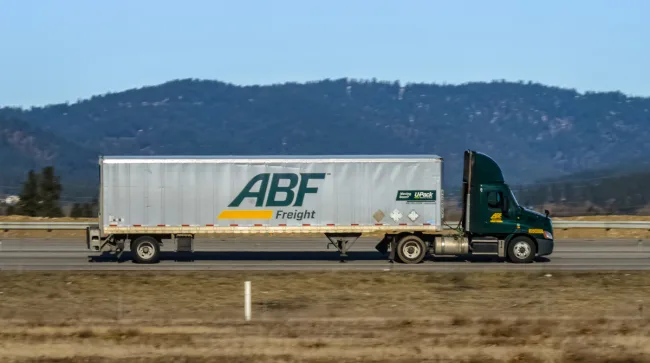
Less-than-truckload (LTL) carriers are poised for further growth as truckload capacity tightens, driving up demand and shipment weights in the second quarter of 2026. Executives report sequential improvements in demand and rising revenue per shipment, with LTL pricing climbing near 6%-7% due to structural capacity constraints. The squeeze stems from federal enforcement on non-domiciled commercial driver’s licenses (CDLs), fewer driving schools, and reduced visas for overseas drivers, a situation described as a “double whammy” by Estes Express Lines President Webb Estes. FedEx Freight, the largest LTL player, saw benefits in backhaul lanes following its June 1 spin-off from FedEx Corp., debuting at No. 4 on the Transport Topics Top 100 list of largest for-hire carriers in North America. Contract rates for LTL customers of ArcBest and ABF Freight increased 5.9% on average on June 22, while Saia LTL Freight implemented a 7.1% general rate increase (GRI) on July 6. Amazon is also expanding into the LTL segment through its Amazon Supply Chain Services division, formally unveiling an LTL arm on June 10 after Amazon Freight stepped into the spotlight on May 4. Competition is expected to intensify in late 2026 as FedEx Freight targets new segments, including small- to medium-size businesses, grocery, healthcare, and data center and energy markets, where it currently has minimal penetration. Analysts note that while green shoots of recovery are visible, geopolitical factors could disrupt the market’s path to stabilization.
📱 Follow our Telegram channel for daily updates
Source: Transport Topics — Michelin & Tires (EN) (ttnews.com)