🔔 Read us on Telegram — don’t miss the latest automotive news → t.me/motorhub_en
Honda’s B-Series and D-Series engines are two of the most iconic inline-four powerplants in automotive history, each carving out a distinct legacy in the tuning and enthusiast scenes. The B-Series, introduced in 1988, became legendary for its high-revving nature, tunability, and reliability, earning a reputation as a favorite among Honda fans. It was the first engine to feature VTEC (Variable Valve Timing and Lift Electronic Control), a technology that revolutionized performance by optimizing valve timing and lift for power and efficiency.
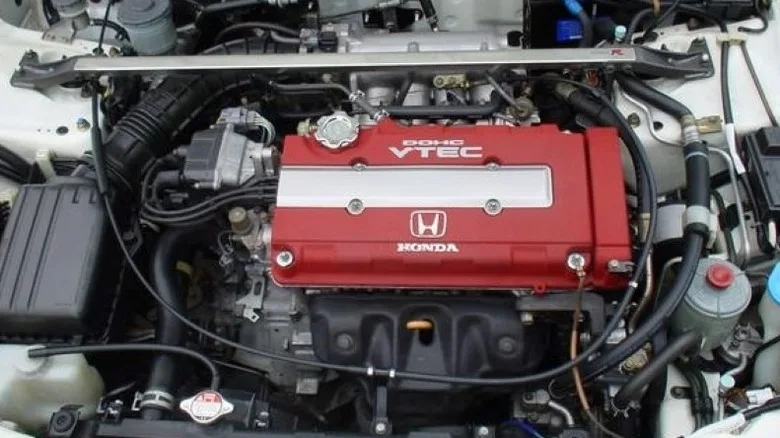
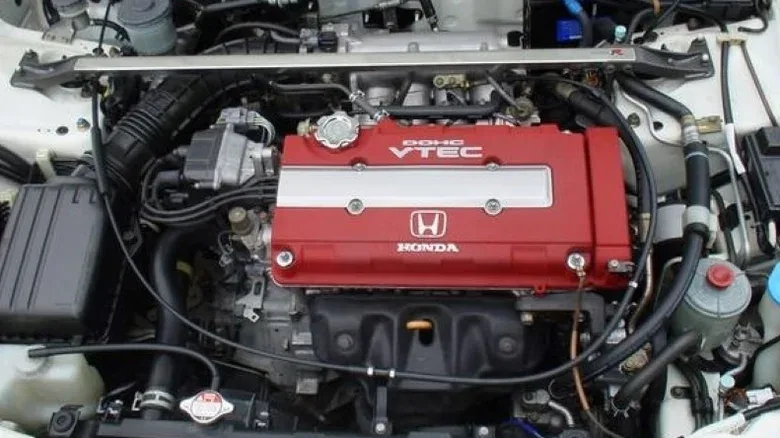
The B-Series could be pushed to produce between 500 and 1,300 horsepower with aftermarket tuning, making it a staple in hot hatches like the Honda Civic Type R. All B-Series engines came with a dual overhead camshaft (DOHC) valvetrain, and their displacement ranged from 1.6 liters (B16) to 2.0 liters (B20), with the B18C5 in the DC2 Type R delivering up to 195 horsepower. The heads featured aggressive cam profiles, larger intake and exhaust valves, and stronger internals, including thicker connecting rods and crankshafts, designed to handle high-power builds.
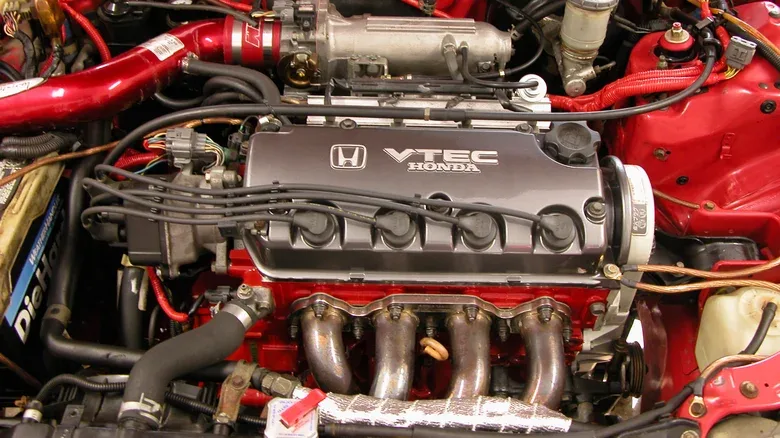
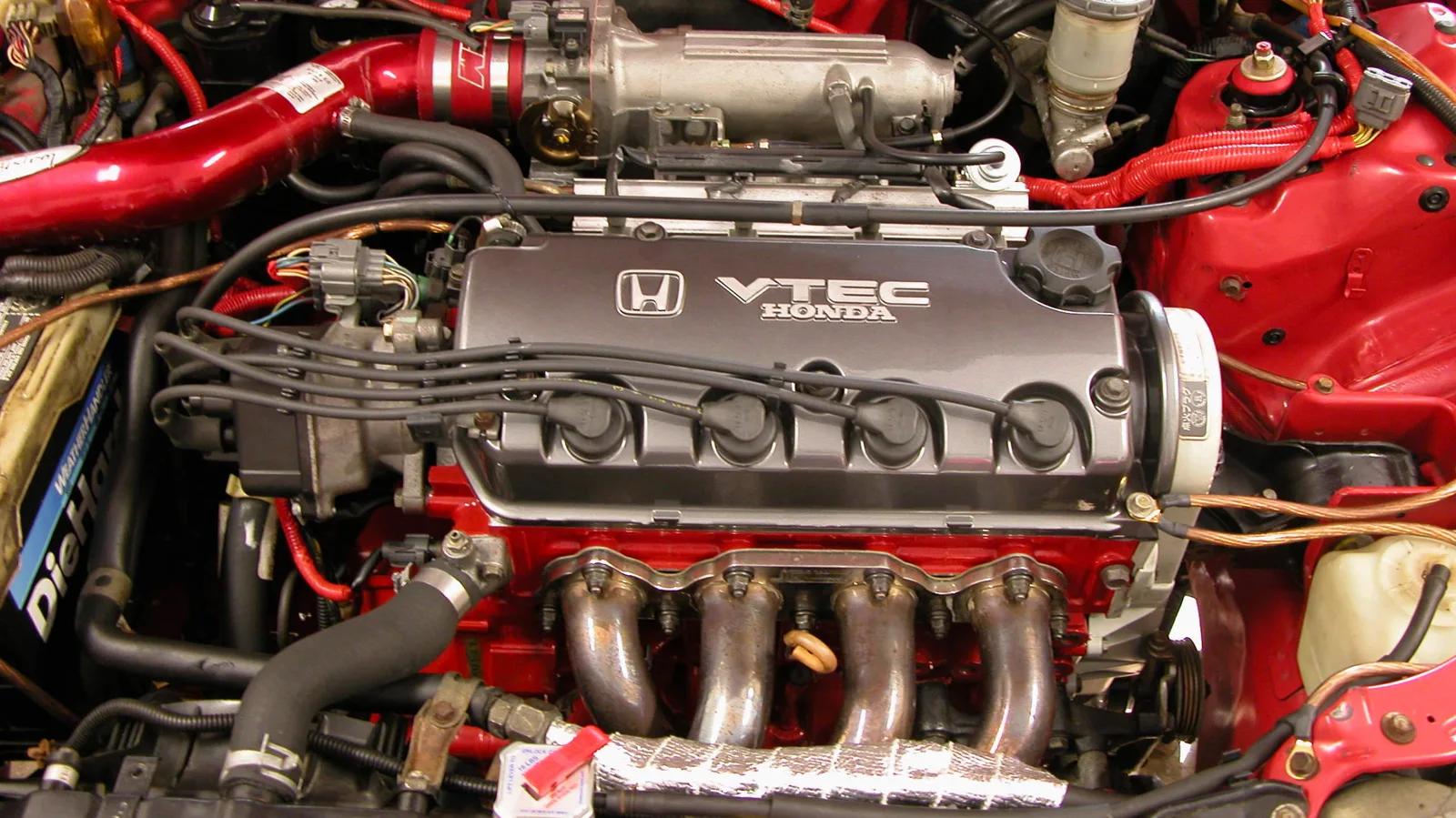
The B-Series’ VTEC engines also featured dual overhead camshafts that adjusted both intake and exhaust valve timing, further enhancing performance. In contrast, the D-Series, which was produced from 1983 to 2005, was built with cost and fuel efficiency in mind. While some D-Series engines were available in DOHC configurations, most were single overhead camshaft (SOHC) mills.
The D-Series’ displacement topped out at 1.7 liters, with the smallest unit displacing just 1.2 liters (D12). Despite its smaller size, the D-Series often produced more torque relative to its horsepower due to its longer stroke in many applications. The D-Series also introduced VTEC-E technology in engines like the D15B5 and D16Y5, which closed one of the intake valves below 2,500 RPM to improve fuel economy.
The D-Series’ peak output was capped at 130 horsepower, reflecting its focus on practicality over outright performance. While both engine families shared an all-aluminum construction and inline-four configuration, the B-Series was the clear choice for enthusiasts seeking power and tunability, whereas the D-Series catered to drivers prioritizing affordability and efficiency. The B-Series’ discontinuation in 2001 didn’t dim its legacy, as it remains a benchmark for performance-oriented Honda engines, while the D-Series continued production until 2005, cementing its role in Honda’s economy-focused lineup.
📱 Follow our Telegram channel for daily updates
Source: Jalopnik (Auto Culture & Tuning) (jalopnik.com)