🔔 Read us on Telegram — don’t miss the latest automotive news → t.me/motorhub_en
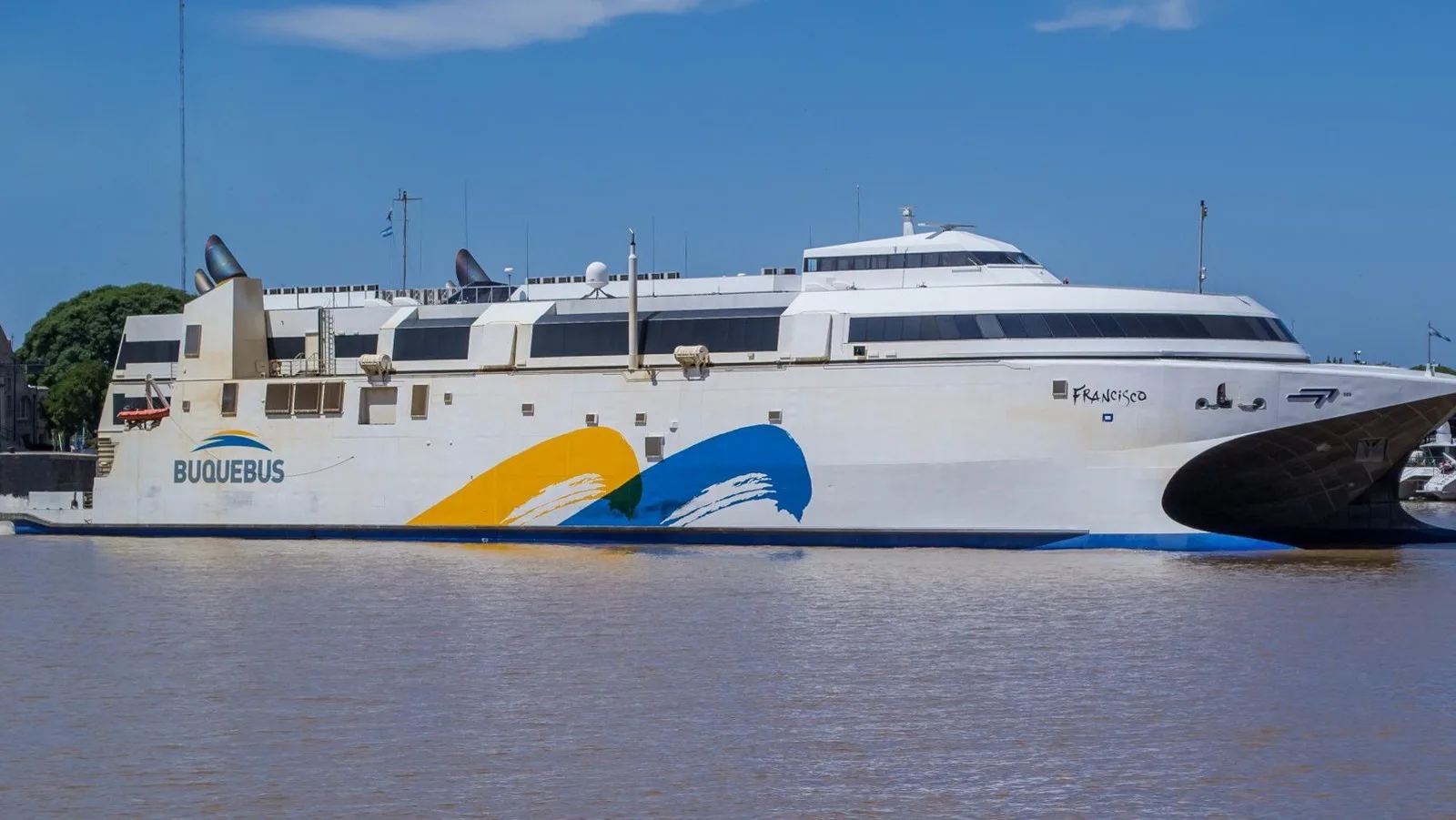
In a world where 67 mph feels like a Sunday cruise on most highways, the same speed becomes a jaw-dropping achievement for a massive passenger vessel. The HSC Francisco, a 325-foot-long catamaran ferry built by Incat in Hobart, Tasmania, holds the title of the fastest passenger ship in service, thanks to a propulsion system that defies conventional maritime logic.
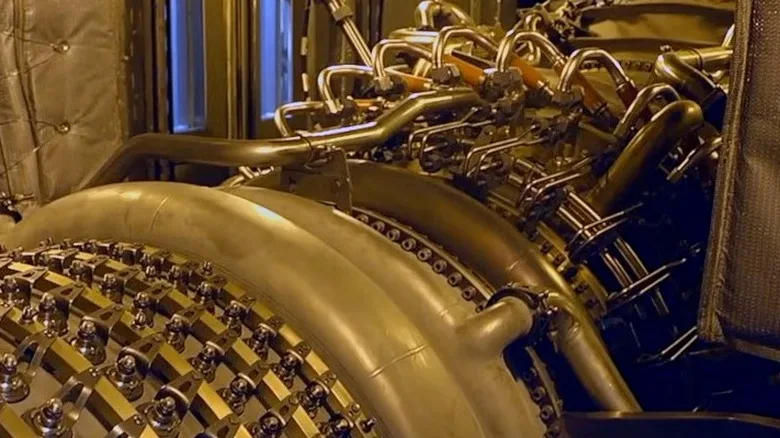
Powered by two GE LM2500 gas turbine jet engines—each churning out 59,000 horsepower—the Francisco boasts a total of 118,000 HP, enough to propel the 1,024-passenger, 150-car ferry to a top speed of 67 mph. That’s not just fast; it’s blisteringly quick for a ship of its size, especially when you consider the vessel also carries a duty-free shop, a bar, and a first-class lounge.
The LM2500 turbines, part of a family of engines with over 50 years of continuous development, are renowned for their reliability, with GE reporting a +99% reliability record and widespread use in the U.S. Naval fleet.
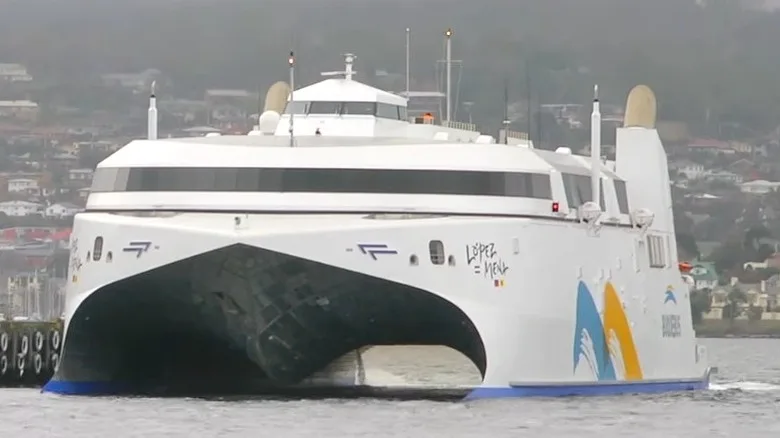
To translate that raw power into forward motion, the Francisco relies on two Wärtsilä LJX 1720 SR axial waterjets, each capable of dispersing 24,000 liters of water per second. The ship’s wave-piercing catamaran design is critical to its performance, slicing through water with stability that minimizes passenger discomfort while maximizing space.
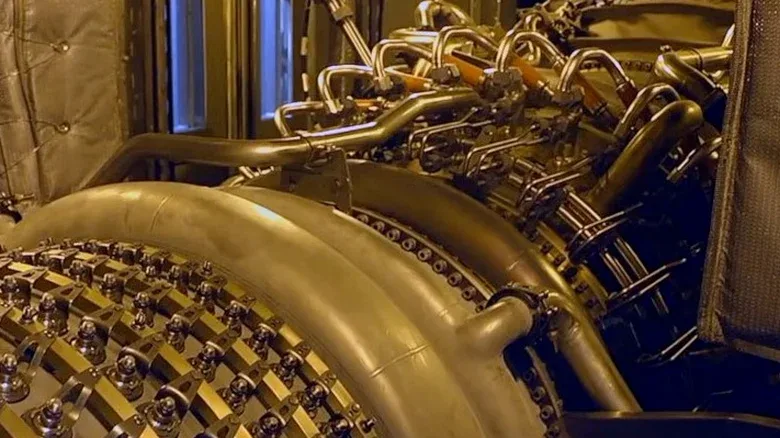
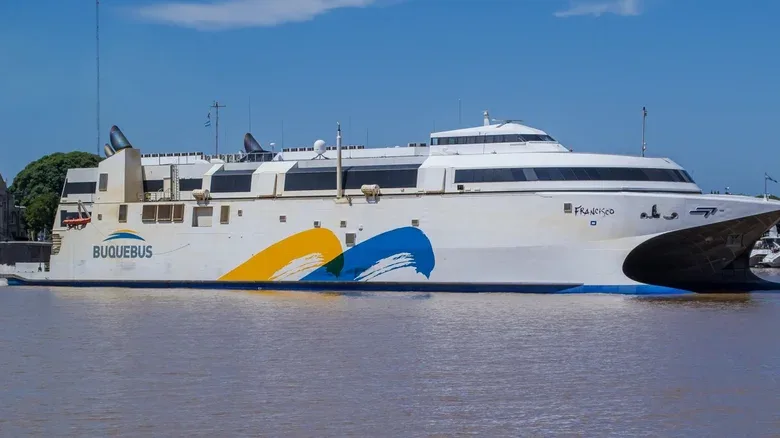
The twin hulls house LNG tanks, freeing up interior space for four passenger tiers: the bottom for cars, the second for economy seating, duty-free shopping, restrooms, and a bar, and the third for first-class and VIP lounges. Owned by Argentine ferry company Buquebus, the Francisco operates primarily on the 140-mile route across the Rio de la Plata between Buenos Aires, Argentina, and Montevideo, Uruguay.
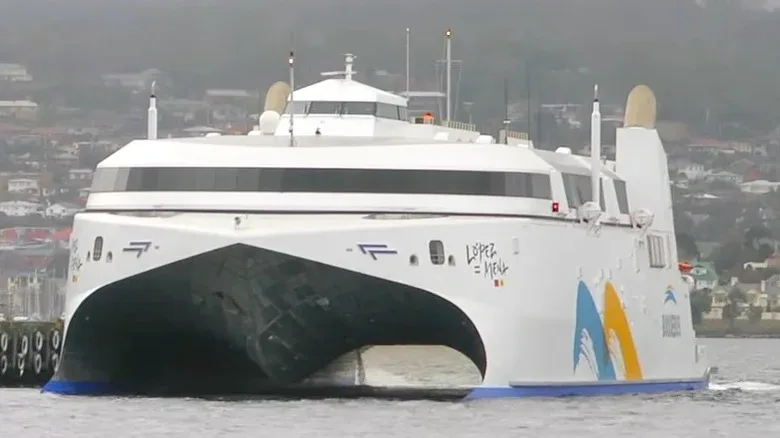
Its blend of speed, luxury, and practicality makes it a standout in the maritime world, proving that even in an era of electric cars and hyperloop concepts, sheer horsepower and clever engineering can still redefine what’s possible. For now, the Francisco’s 67 mph top speed remains unchallenged, a testament to the power of turbines, waterjets, and a design that refuses to compromise.
📱 Follow our Telegram channel for daily updates
Source: Jalopnik (Auto Culture & Tuning) (jalopnik.com)