🔔 Read us on Telegram — don’t miss the latest automotive news → t.me/motorhub_en
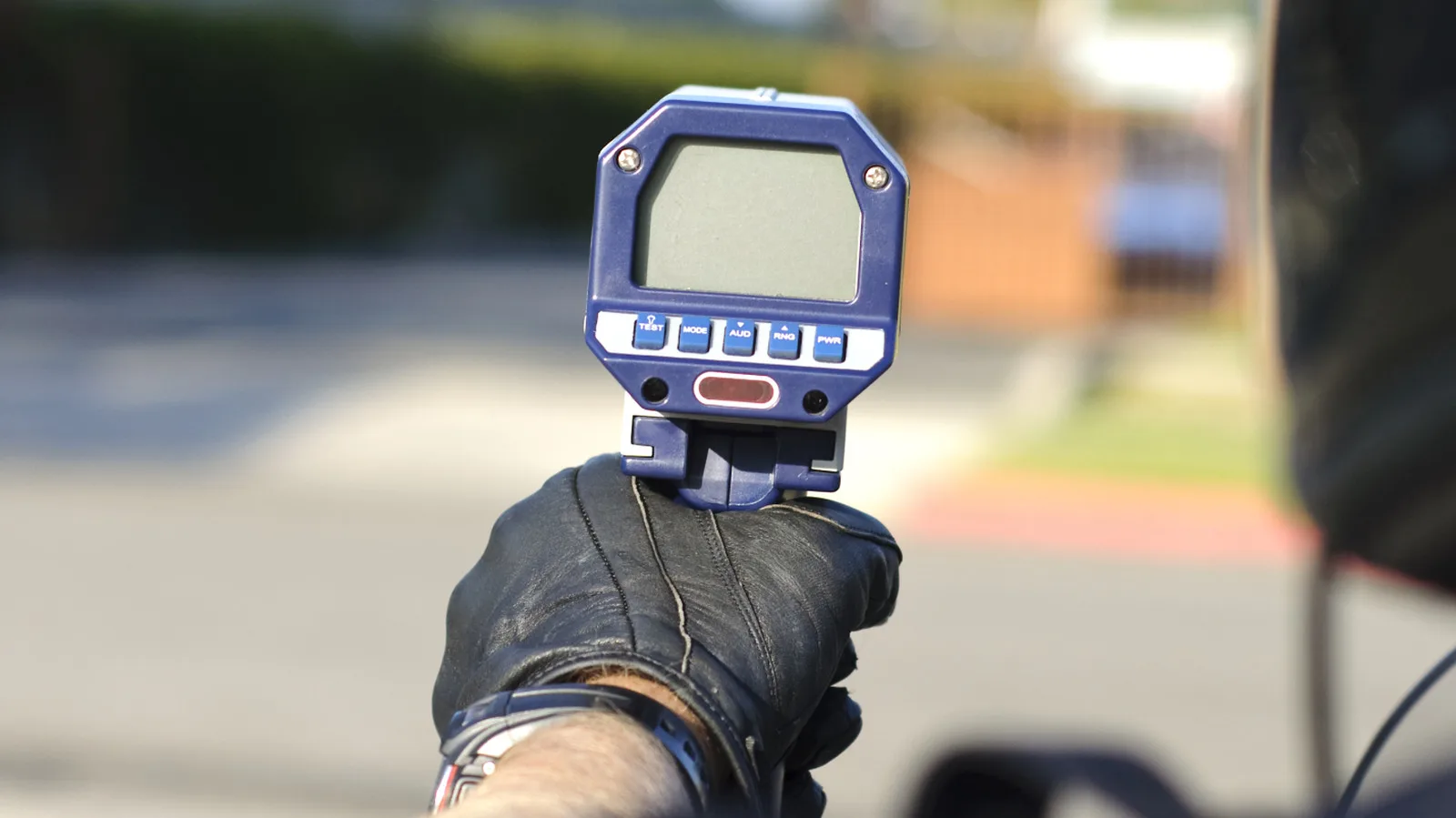
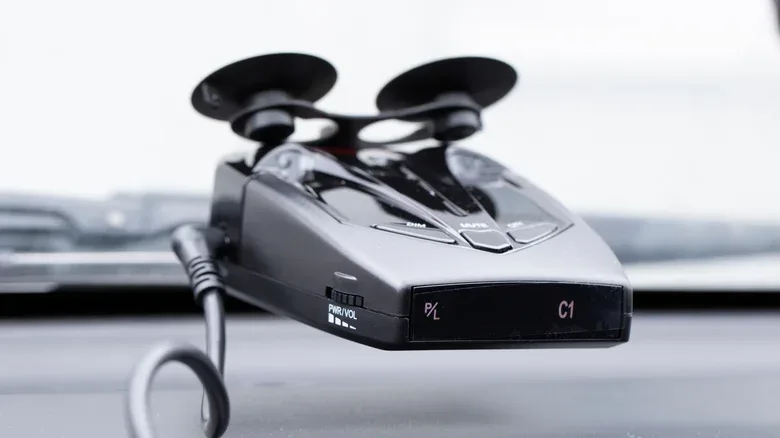
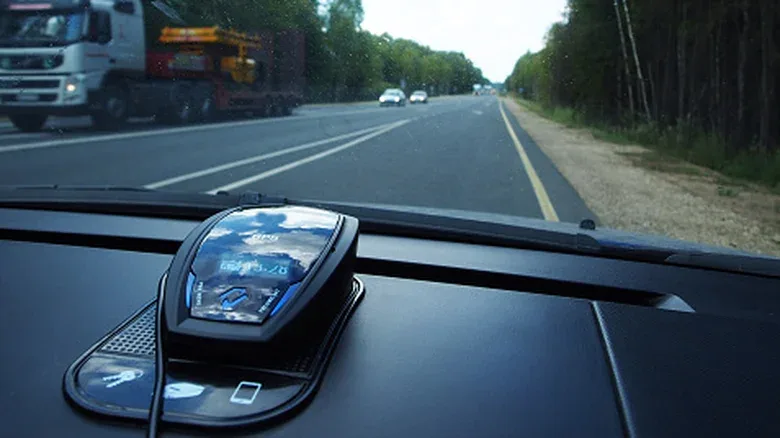
Radar jammers and detectors are two distinct devices with different functions and legal statuses. A radar detector only alerts drivers when police radar guns are nearby, giving a heads-up to slow down.
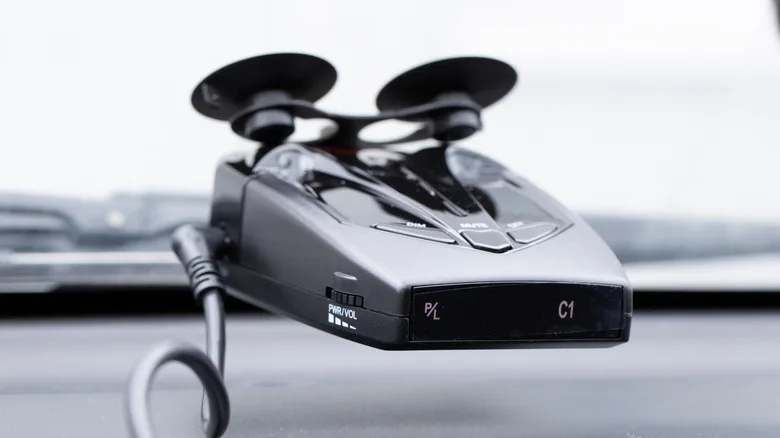
A radar jammer, however, actively disrupts police radar readings to prevent speed detection, while a passive jammer attempts to interfere without emitting its own signals. Both types of jammers are illegal under FCC regulations and can result in fines or legal trouble across all 50 U.S. states.
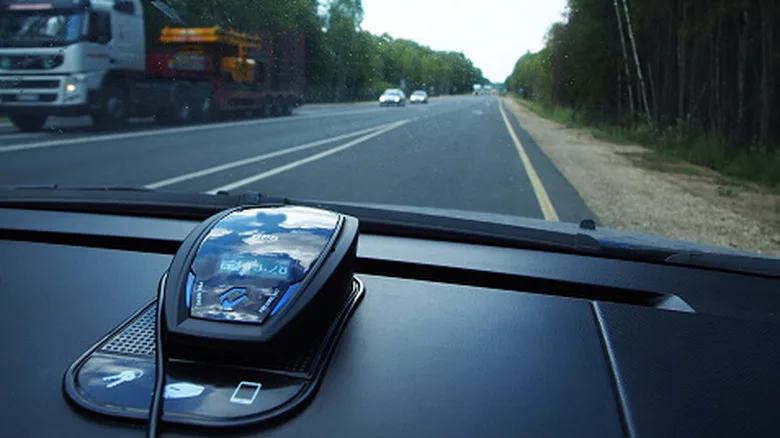
Some passive jammers marketed as “blockers” have also been deemed illegal, as seen in the case of Rocky Mountain Radar, which was fined $25,000 for misleading claims. Radar detectors, on the other hand, are only strictly banned in Virginia and Washington D.C., though some states restrict their mounting locations to avoid obstructing visibility.
Effectiveness varies widely. Older radar detectors often triggered false positives from non-police sources like supermarket doors, but modern units have improved.
Still, many enthusiasts argue that both detectors and jammers are unreliable, especially as law enforcement shifts from radar to lidar-based speed detection. Lidar is far more precise, targeting individual vehicles rather than scanning multiple cars at once.
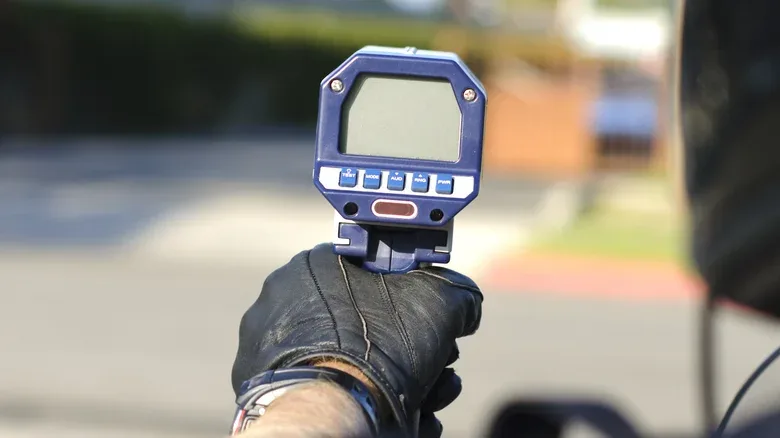
To counter lidar, drivers need a dedicated laser jammer, which is legal in many states and does not carry the same legal risks as radar jammers. While radar detectors and laser jammers can be a combined ticket-prevention strategy, the legal and practical landscape has shifted significantly, making these devices a gamble both in terms of effectiveness and compliance with the law.
📱 Follow our Telegram channel for daily updates
Source: Jalopnik (Auto Culture & Tuning) (jalopnik.com)