🔔 Read us on Telegram — don’t miss the latest automotive news → t.me/motorhub_en
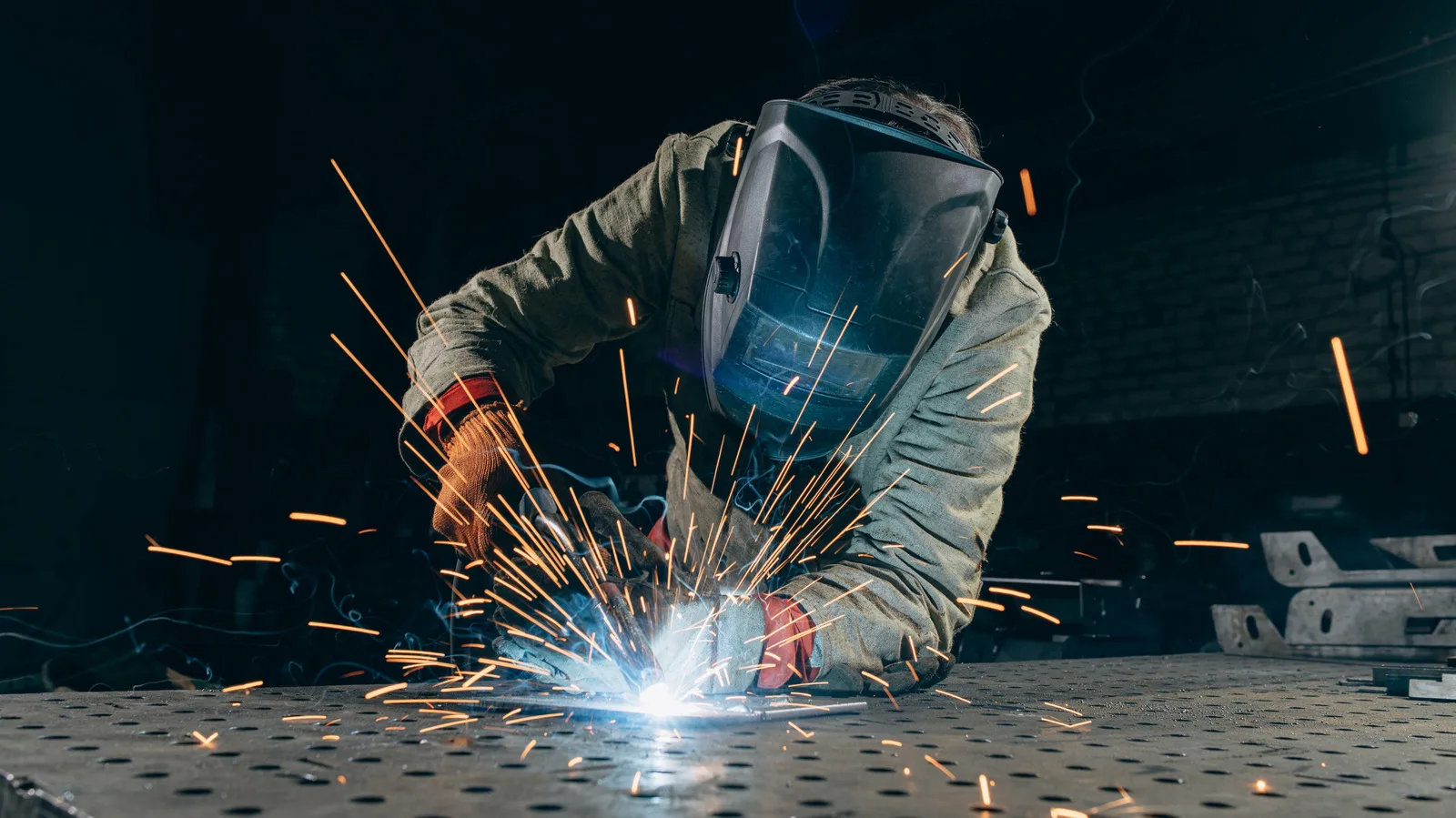
Welding isn’t just a sparky hobby—it’s an electricity guzzler. A recent chat on Brian Scotto’s “Very Vehicular” podcast with Mike Burroughs of Stanceworks (the team behind the F-40 project car) highlighted how shop electricity bills can skyrocket when you’re running welders and plasma cutters nonstop. Scotto mentioned his shop’s power tab sometimes hit $9,000, a figure he attributed to the relentless welding and cutting needed to keep project cars rolling. That got us thinking: just how much juice does it take to weld a full FIA-legal road-racing roll cage in a home garage? The short answer: way more than most enthusiasts expect. Let’s break it down.
First, the setup. We’re using a 240-volt, multi-process welder that’s common in home shops—the Lincoln Electric Power MIG 215 MPi. This machine can switch between stick, MIG, and TIG modes and runs on both 120V and 230V, making it a versatile choice for hobbyists. It’s not cheap, but it’s capable of handling most home welding tasks. Now, the math. Welding a roll cage isn’t a quick job.
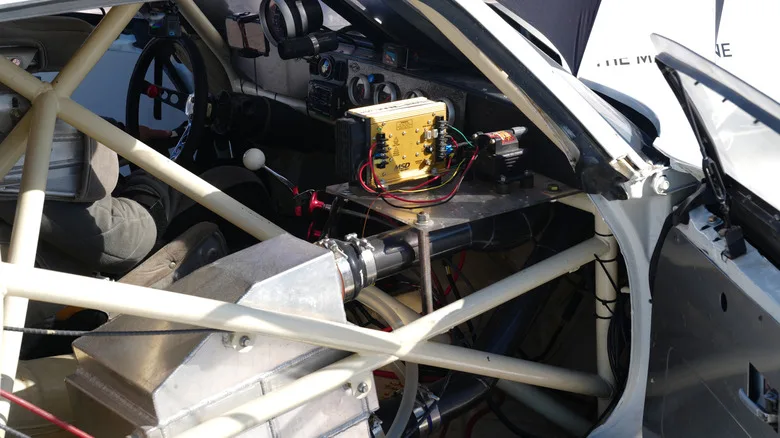
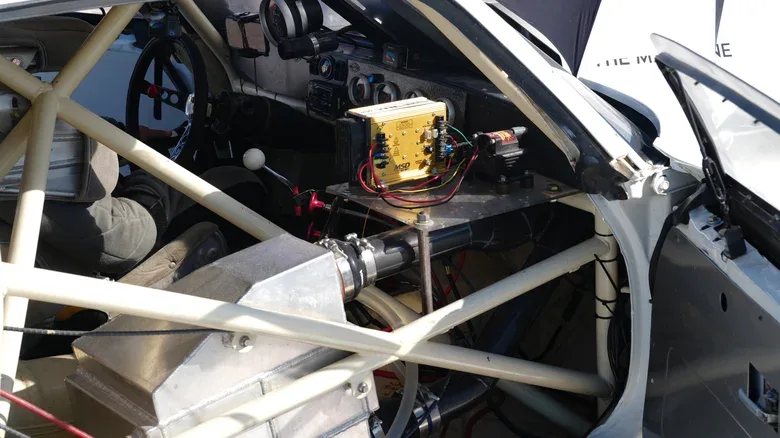
Even if you’re efficient, you’re looking at around 90 hours of shop time to get the job done. But actual arc time? Maybe 20 minutes per hour, so roughly 30 hours of real welding. If you’re running the Power MIG 215 MPi at its max output of 220 amperes, you’re pulling 50.6 kilowatts of power every time you pull the trigger. Over 30 hours of continuous welding at that level, you’d burn through 1,518 kilowatt-hours of electricity. At the national average rate of 18.8 cents per kWh, that’s a $285 power bill just for the cage.
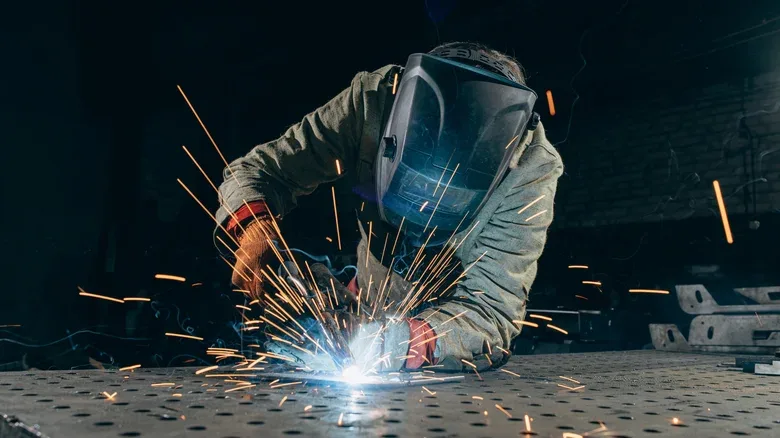
To put that in perspective, the average U.S. household uses about 899 kWh per month. Welding your cage in a single month could nearly triple your electric bill. That’s a shock—literally and financially. The cost of steel tubing, filler wire, and tools like tubing benders has climbed in recent years, but electricity isn’t a line item most builders budget for. If you’re planning a DIY roll cage, factor in the power draw. It’s not just about the metal—it’s about the amps.
📱 Follow our Telegram channel for daily updates
Source: Jalopnik (Auto Culture & Tuning) (jalopnik.com)