🔔 Read us on Telegram — don’t miss the latest automotive news → t.me/motorhub_en
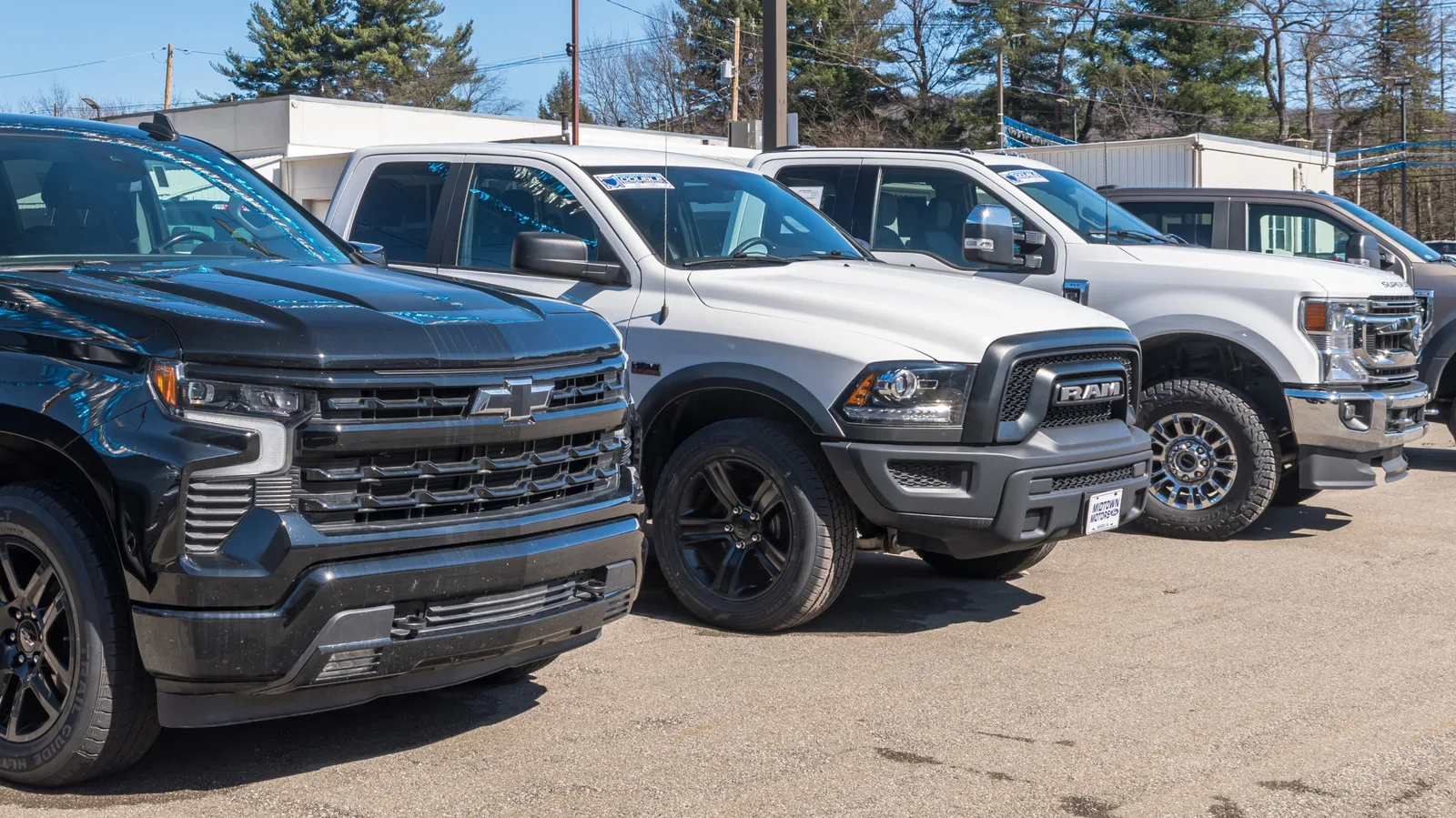
The allure of a Certified Pre-Owned (CPO) pickup truck is strong, offering a deep financial discount and a comforting assurance of a factory warranty.
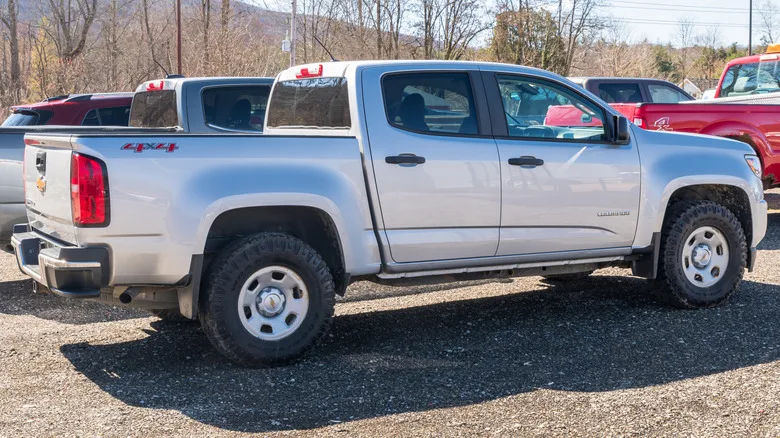
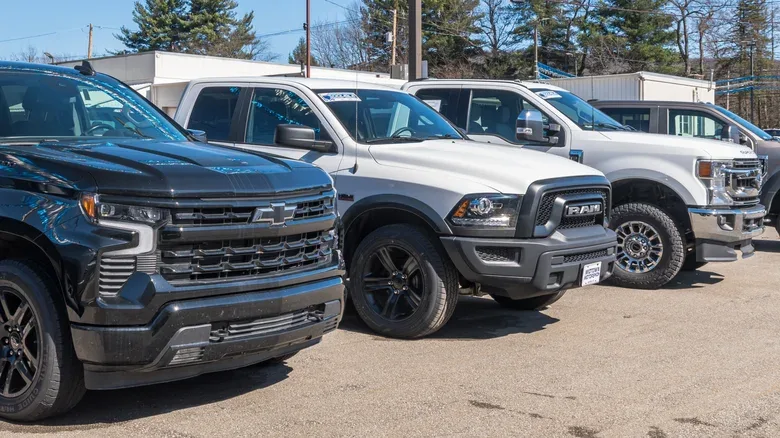
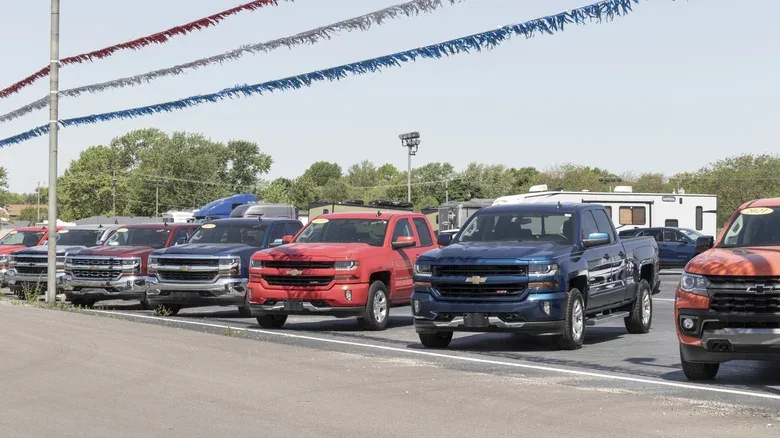
However, the reality of the used truck market is chaotic, and understanding the mechanisms behind CPO programs is crucial to determining if you’re buying a genuinely refreshed workhorse or just paying a premium for a highly-polished illusion.
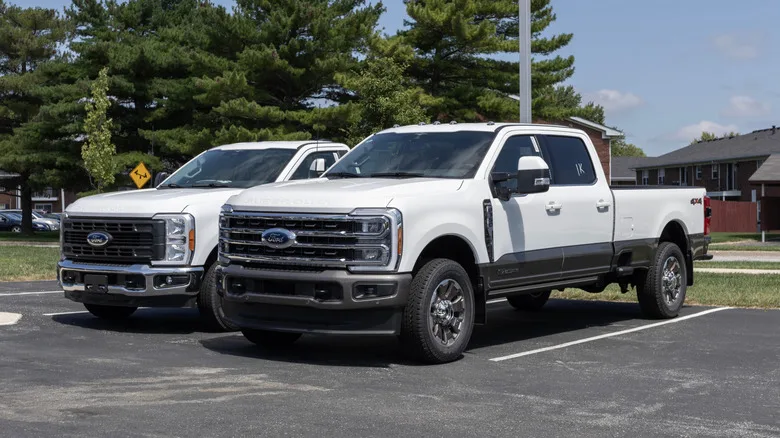
A real CPO truck is vetted, stamped, and guaranteed by the truck maker itself, such as Ford Blue Advantage or Ram’s Certified Pre-Owned Vehicle program, whereas a dealer-certified truck has the local dealership mechanics look over a truck and attach a third-party aftermarket service contract.
To qualify for an official CPO program, a truck must clear several strict hurdles, including age, with some brands introducing tiered programs covering vehicles up to 10 years old with up to 150,000 miles.

The truck must also pass a rigorous title check and a 150-point inspection process, although the execution of this checklist falls on a human being, a dealer technician paid a flat rate for time.
The warranty comforter is also important, with a proper CPO vehicle warranty split into two parts – a power train warranty and a comprehensive limited warranty.
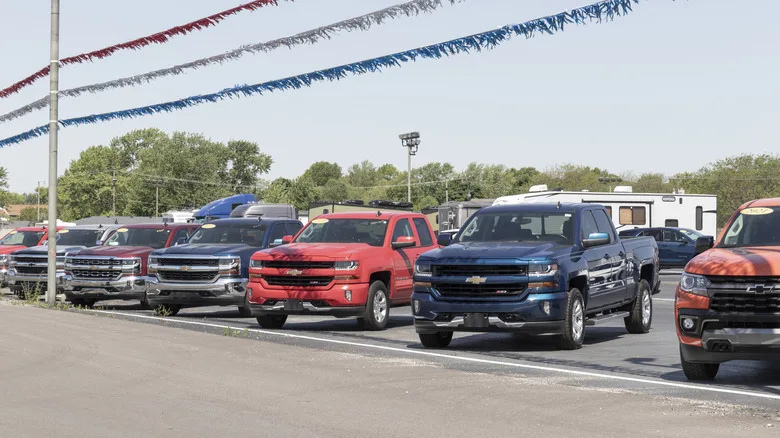
However, the warranty duration almost always scales from the vehicle’s original in-service date, and CPO warranties do not cover regular wear and tear items or aftermarket modifications.
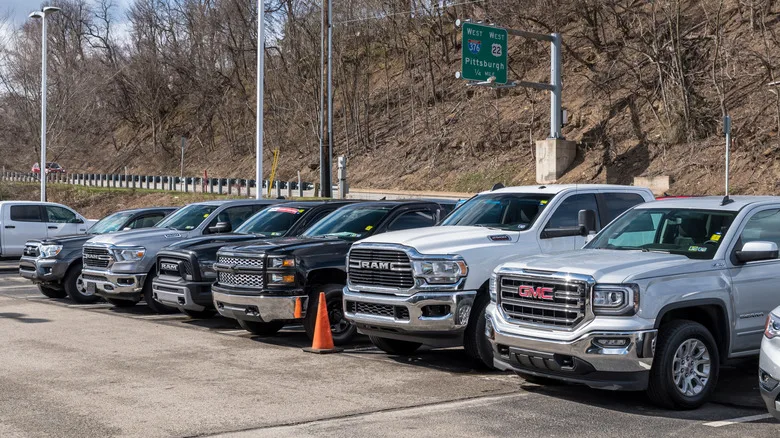
Financing perks may be available, but a three-year-old CPO vehicle carries a listing premium, according to Edmunds.
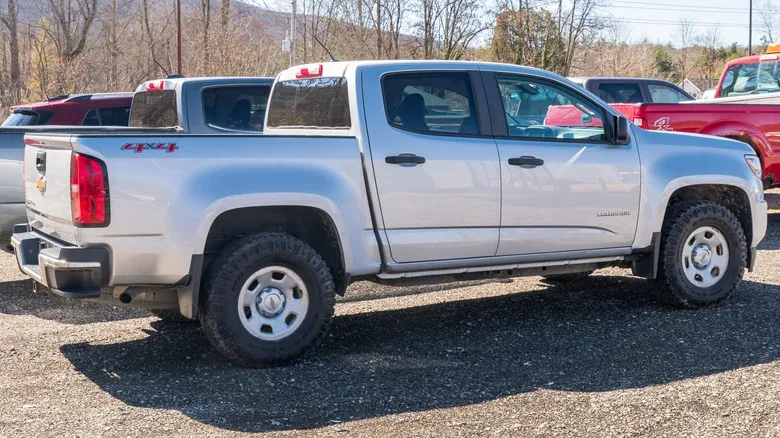
Ultimately, it’s essential to do your own due diligence when buying a CPO truck, looking for mismatched tire brands, uneven tire wear, and heavy scraping on the skid plates.

📱 Follow our Telegram channel for daily updates
Source: Jalopnik (Auto Culture & Tuning) (jalopnik.com)