🔔 Read us on Telegram — don’t miss the latest automotive news → t.me/motorhub_en
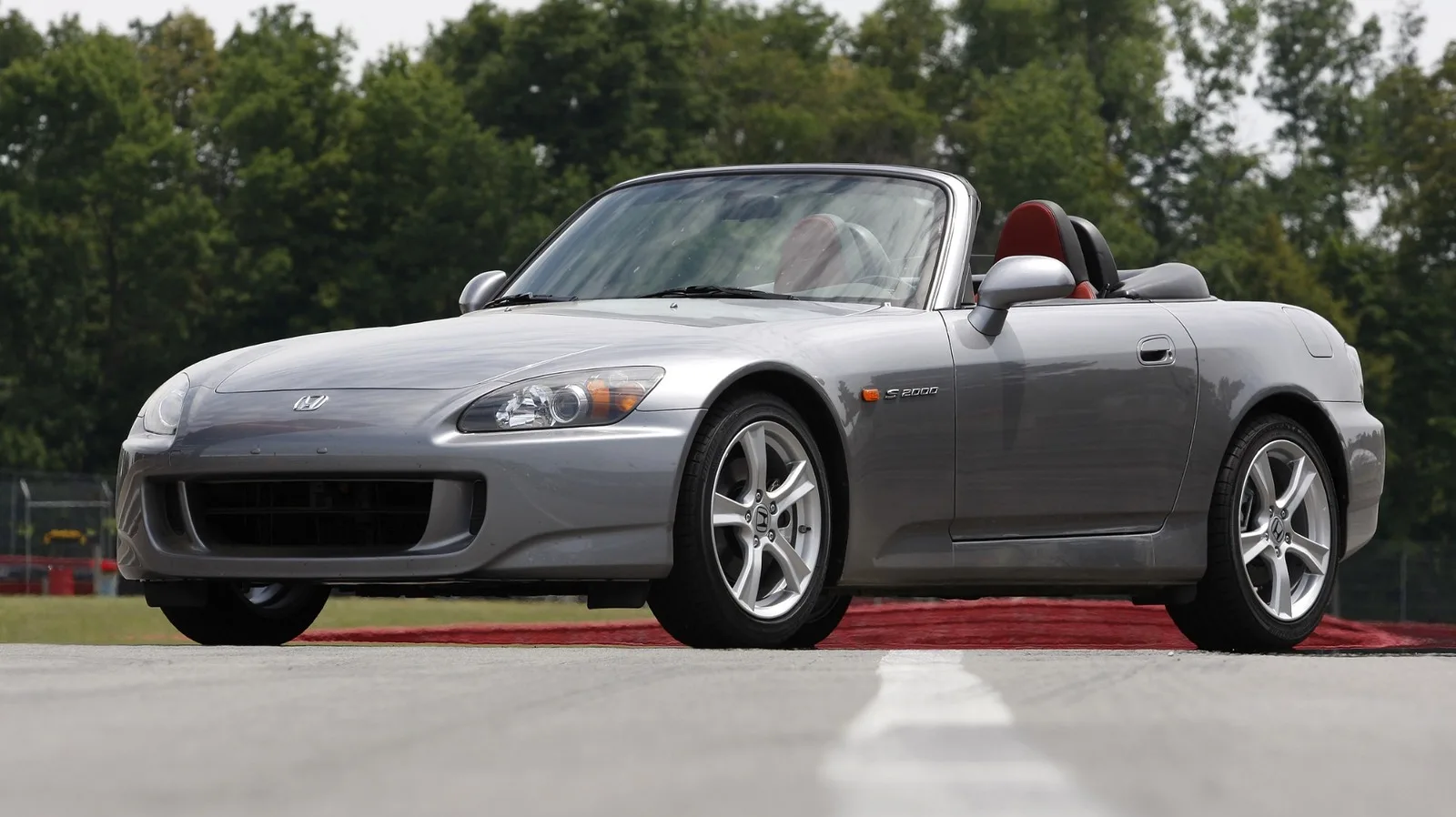
The Honda S2000 isn’t just remembered for its 9,000-rpm redline or its F1-style gauge cluster—it’s also revered for one of the best manual transmissions ever bolted to a production car. The six-speed shifter in the S2000 delivers a shift feel so precise and tactile that enthusiasts still debate its superiority decades later.
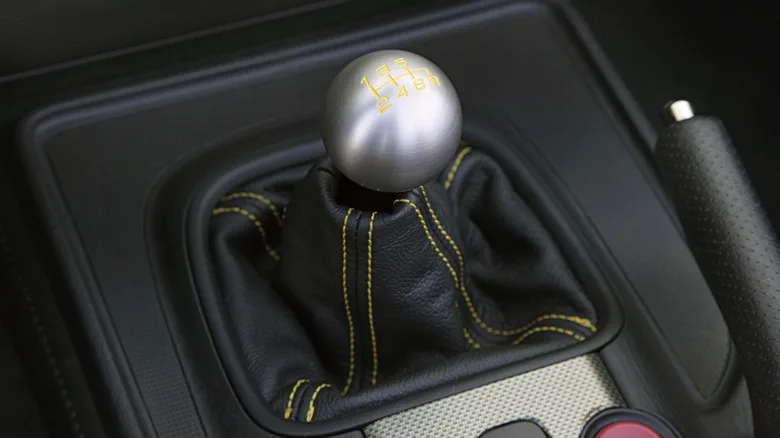
Unlike the cable-operated linkages found in most of Honda’s later manual cars, the S2000’s gearbox uses a direct, all-metal rod linkage mounted right on top of the transmission case, snugly positioned next to the driver’s seat. This setup eliminates slop and delivers a short, crisp throw that feels like flipping a light switch—one moment it’s in neutral, the next it’s locked into gear with minimal play.
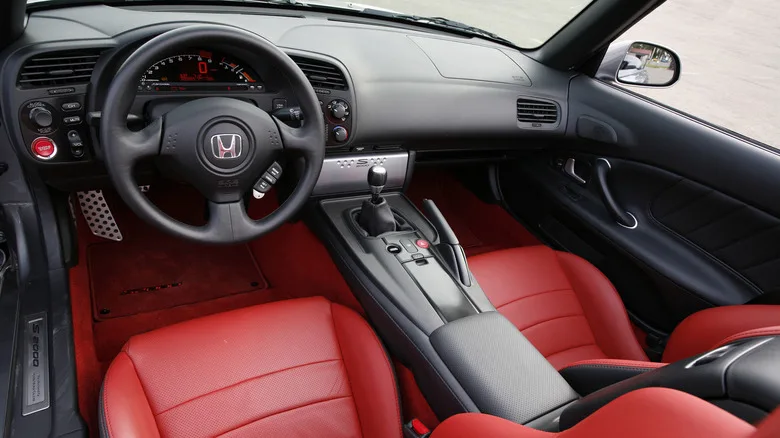
Road & Track once described it as “just a rod straight down into the gearbox, about as pure a connection to the transmission as you could ever get.” The shifter itself is made from aluminum alloy, mounted on a rubber bushing that tames vibrations without killing the mechanical feel. Under the skin, the transmission uses parallel transmission shafts inherited from Honda’s front-wheel-drive platforms, which reduce load on the synchros by up to 40%.
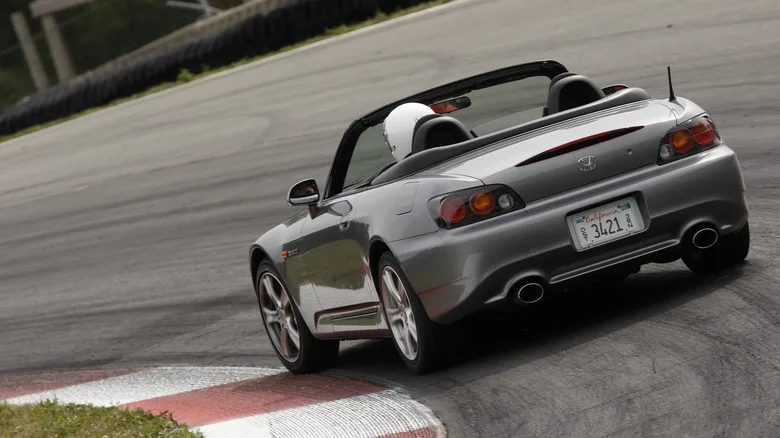
To further smooth out shifts, first, third, and fourth gears use double-cone synchros, while second gear employs triple-cone synchros—more friction surfaces mean faster synchronization and lighter shift effort. The entire setup is packed tightly in the S2000’s cockpit, with the shifter positioned within a hand’s width of the steering wheel, making it a benchmark for driver engagement.
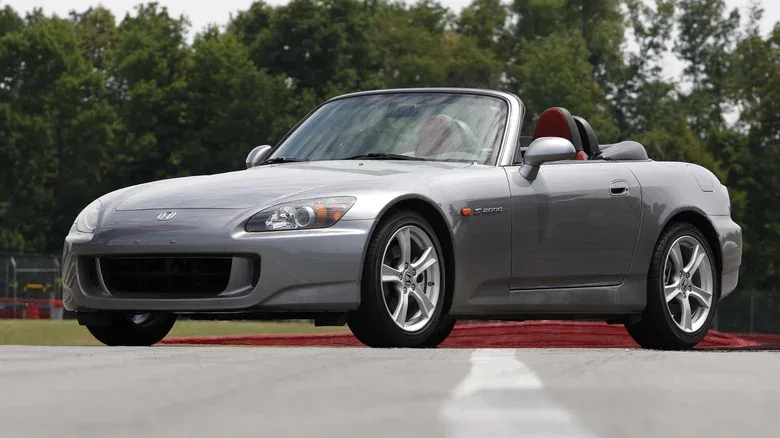
But why did Honda go to such lengths? The answer is deceptively simple: because the company prioritized shift feel from the start.
Honda’s engineers have long treated manual transmissions as a point of pride, not an afterthought. Even the S800 roadster from 1965—considered the S2000’s spiritual ancestor—had a shifter that enthusiasts raved about.
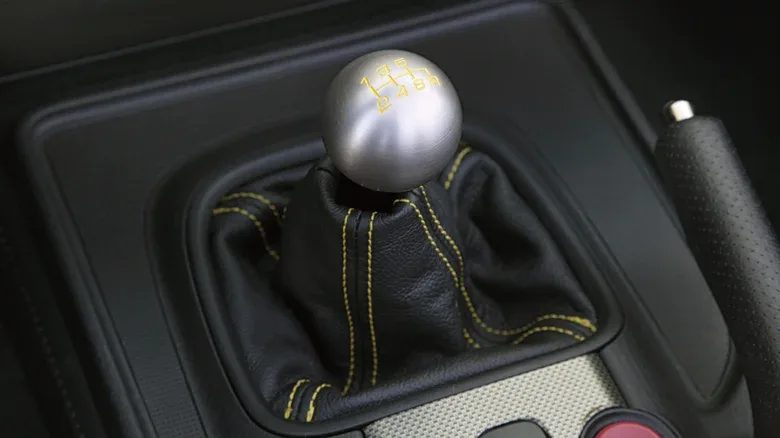
Honda’s approach stems from a philosophy that values precision over brute power. Since the brand’s engines aren’t typically known for astronomical torque figures, the transmissions don’t need to handle extreme loads, allowing engineers to focus on refinement, lightness, and directness. The result? A gearbox that doesn’t just shift—it communicates.
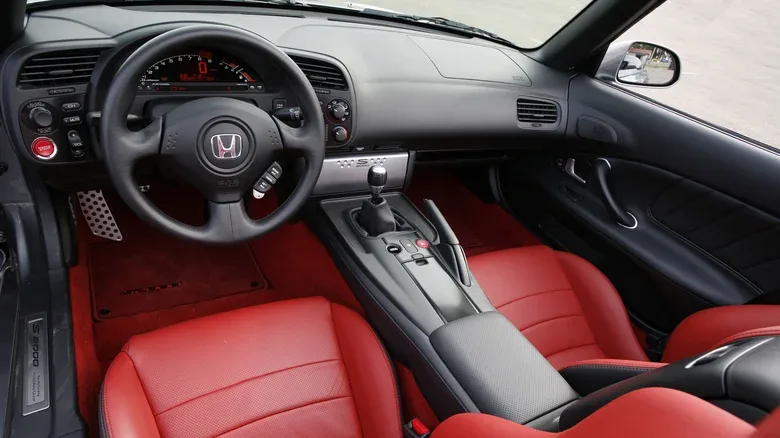
Every engagement of the clutch and movement of the lever feels deliberate, almost surgical. It’s no wonder the S2000’s manual transmission has achieved cult status among gearheads.
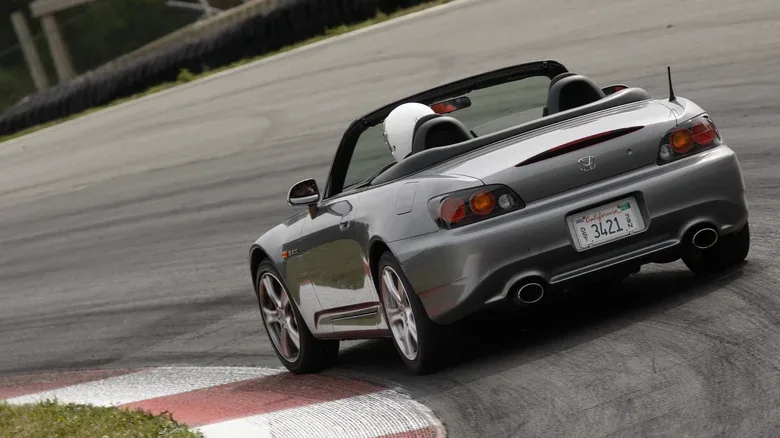
In a world where most manuals feel either vague or over-assisted, the S2000’s shifter remains a benchmark—a reminder that great driving experiences often come down to the smallest, most deliberate engineering choices.
📱 Follow our Telegram channel for daily updates
Source: Jalopnik (Auto Culture & Tuning) (jalopnik.com)