🔔 Read us on Telegram — don’t miss the latest automotive news → t.me/motorhub_en
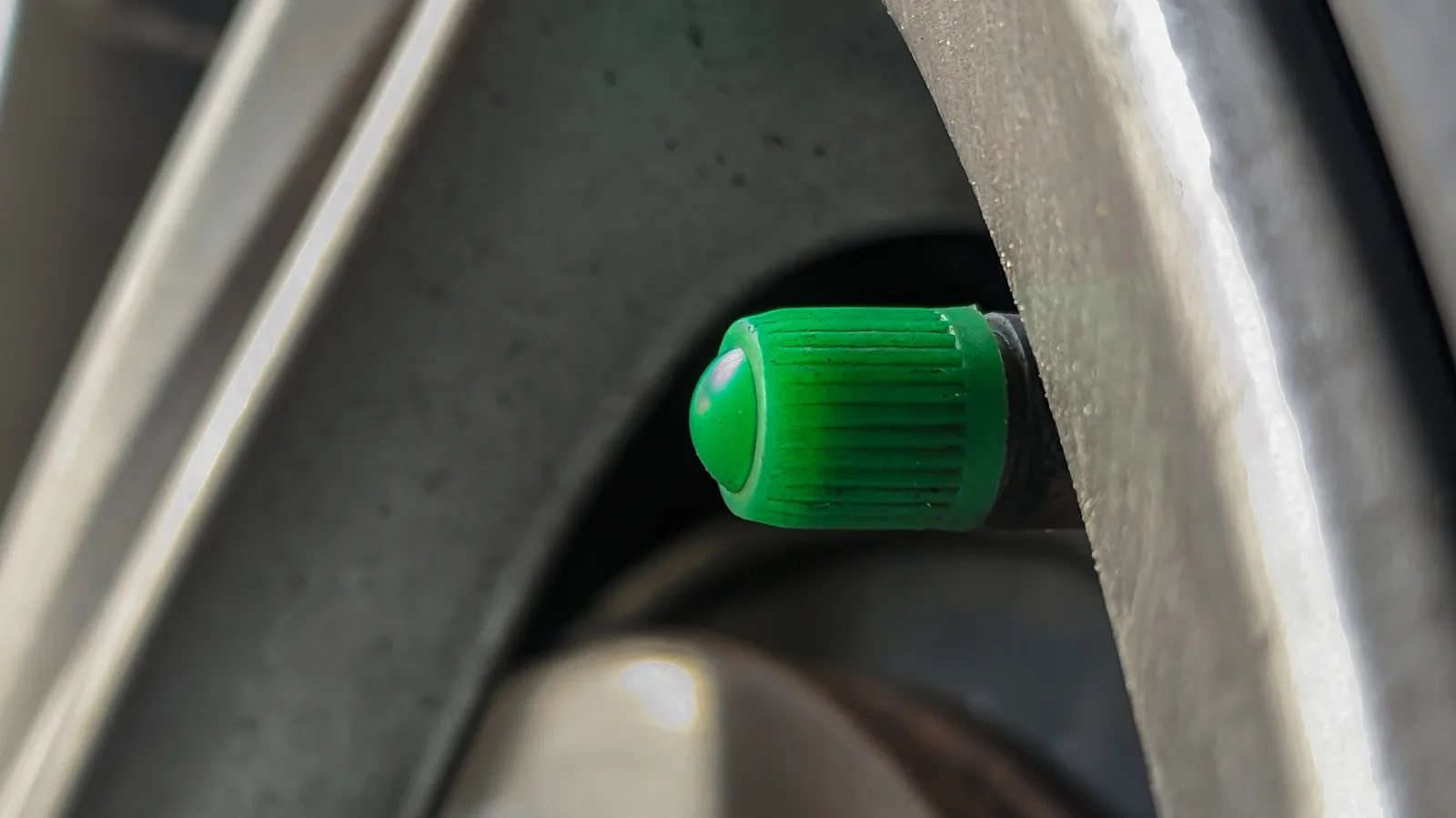
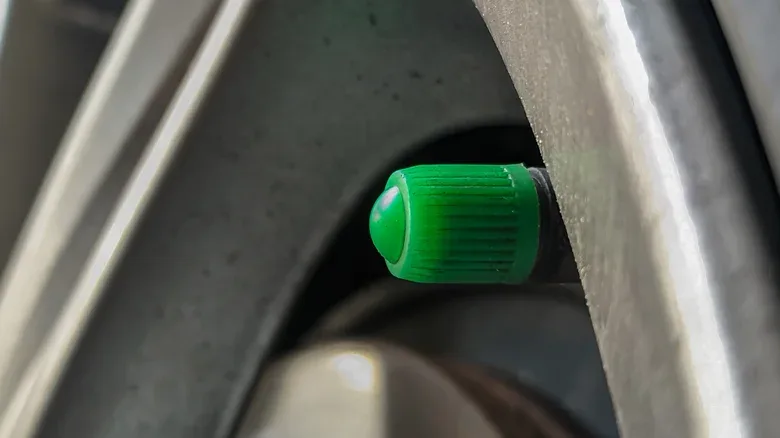
A bright green plastic cap on a car tire valve stem is not just a cosmetic choice—it signals that the tire has been filled with nitrogen instead of regular air. The caps themselves serve no functional purpose beyond this visual cue; they can be swapped for any other color without affecting the tire’s performance. The practice of using nitrogen in passenger car tires has grown more common in recent years, especially at chains like Costco, where mechanics routinely top off tires with the inert gas during routine service.
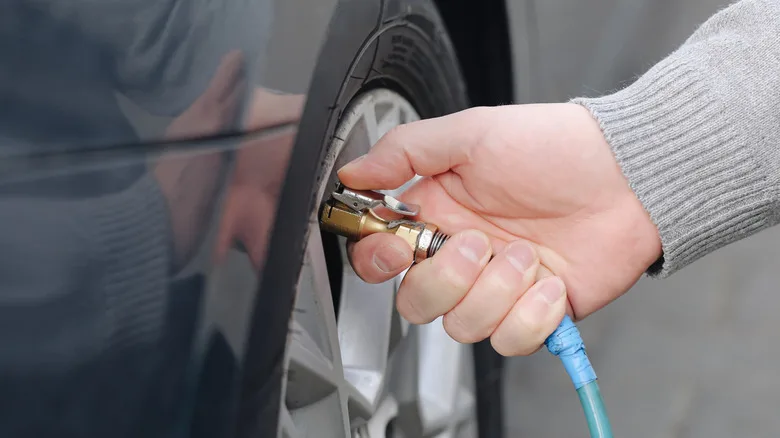
The key advantage of nitrogen is its slower rate of pressure loss compared to air. Nitrogen molecules are larger than oxygen molecules, so they escape through the microscopic pores in tire rubber more slowly. This means nitrogen-filled tires tend to hold their pressure longer, reducing the need for frequent top-ups.
However, the real-world benefit is modest. Consumer Reports found that air-filled tires lost only an additional 1.3 psi over a year compared to nitrogen-filled ones—a difference that’s barely noticeable in daily driving. Tire shops also argue that nitrogen responds more predictably to temperature swings and doesn’t promote moisture buildup inside the tire, thanks to its dry nature.
While these points have scientific backing, the advantages are marginal for most drivers. The study by Consumer Reports concluded that for everyday commuter cars, regular air is perfectly adequate unless you’re pushing a high-performance machine, a heavy-duty truck, or an aircraft. Nitrogen filling isn’t new—it’s been around for decades—but it only became mainstream for passenger vehicles around 2010.
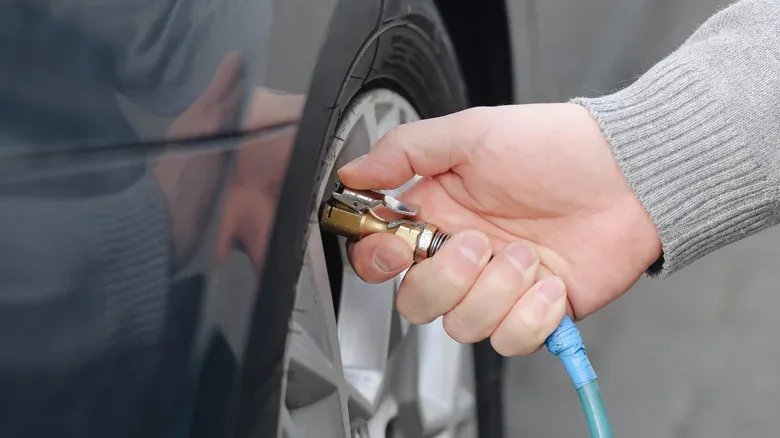
Back in 2007, the original R35 Nissan GT-R famously included nitrogen-filled tires from the factory, a detail reviewers at the time hailed as a futuristic touch. Today, even budget-friendly models like the Toyota RAV4 can have their tires topped up with nitrogen at retailers such as Costco, complete with the signature green valve caps as a telltale sign.
📱 Follow our Telegram channel for daily updates
Source: Jalopnik (Auto Culture & Tuning) (jalopnik.com)